Memphis, Tennessee: The Soul of the Bluff City
Known affectionately as Bluff City, the Home of the Blues, and Grind City, Memphis is a vibrant urban center located in Shelby County, Tennessee. Founded on May 22, 1819, by John Overton, James Winchester, and Andrew Jackson, the city was named after the ancient capital of Egypt. Situated along the banks of the Mississippi River, Memphis has evolved from a strategic river port into a global hub for logistics, music, and civil rights history.
Today, Memphis serves as a critical economic engine for the region, boasting a metropolitan GDP of approximately $102.934 billion as of 2023. Its unique identity is forged by a blend of deep Southern traditions and a forward-looking industrial spirit.
Key Facts
- Founded: May 22, 1819
- Population: 633,104 (2020 Census)
- Nicknames: Bluff City, Home of the Blues, Grind City, The 901
- Major Industries: Logistics (FedEx), Healthcare (St. Jude), and Tourism
- Key Landmarks: Graceland, Beale Street, and the National Civil Rights Museum
- Geography: Located on the Mississippi River with an elevation of 338 feet
History and Evolution
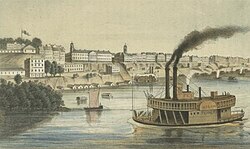
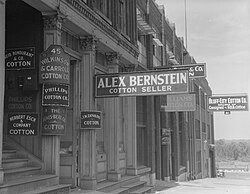
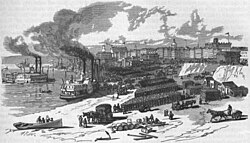
The early history of Memphis was marked by its strategic location. In the 19th century, the city grew rapidly as a center for cotton trade, though it faced significant challenges, including devastating yellow fever epidemics and the turmoil of the American Civil War.
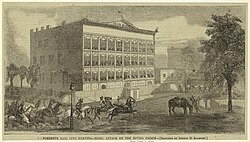
Following the war, Memphis underwent a period of Reconstruction and political shifts. The city was dissolved on January 31, 1879, and later rechartered on April 5, 1893. The 20th century saw the rise of the "Crump Machine," a powerful political organization that dominated city government for decades.
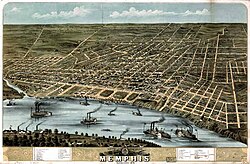
As the city entered the modern era, it became a global epicenter for music, particularly the birth of rock and roll and the enduring legacy of the blues. This cultural explosion transformed Memphis into a premier destination for arts and tourism.
Geography and Climate
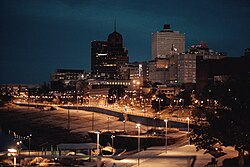
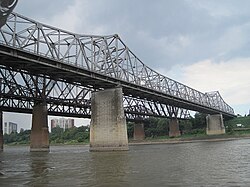
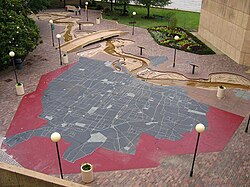
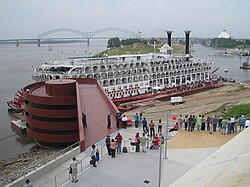
Memphis is characterized by its riverfront landscape and its position atop the Mississippi Embayment. The city's infrastructure is defined by three major bridges crossing the Mississippi River, connecting Tennessee to Arkansas.
The climate is humid subtropical, featuring hot, humid summers and cool winters. The city experiences significant precipitation throughout the year, averaging 54.94 inches annually, with the highest rainfall typically occurring in the spring.
| Metric | Winter (Jan) | Summer (Jul) | Annual Average |
|---|---|---|---|
| Mean Maximum Temp (°F) | 70.5 | 98.1 | 99.9 (Record High) |
| Mean Minimum Temp (°F) | 33.3 | 73.6 | 13.6 (Record Low) |
| Avg Precipitation (inches) | 4.14 | 4.82 | 54.94 |
Demographics and Society
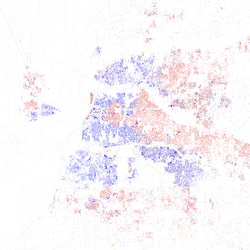
Memphis is a diverse city with a rich multicultural tapestry. According to the 2020 Census, the population is approximately 633,104. The city has a significant Black or African American population, comprising 61.2% of the residents, followed by White residents at 27.1% and a growing Hispanic or Latino community at 9.8%.
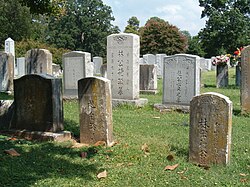
The city's religious and ethnic diversity is reflected in its cemeteries and community centers, including the Asian-American tombstones found in Elmwood Cemetery, highlighting the long-standing presence of various immigrant groups.
Economy and Infrastructure
The economy of Memphis is heavily driven by logistics and distribution, largely due to the presence of the Memphis International Airport, a primary global hub for FedEx.

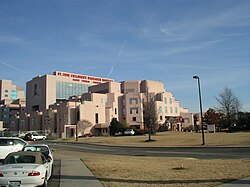
Beyond logistics, the city is a leader in healthcare and research, most notably through the world-renowned St. Jude Children's Research Hospital.
Transportation is supported by a robust network of railroads, including BNSF, CSX, and Union Pacific, as well as passenger services provided by Amtrak.
Arts, Culture, and Tourism
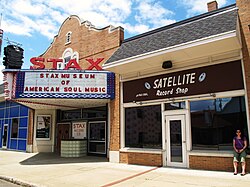
Memphis is a global destination for music lovers. Beale Street remains the heart of the blues, while Sun Studio marks the birthplace of rock and roll. The city is also the home of Graceland, the private residence of Elvis Presley.
The city's culinary scene is equally famous, defined by soul food and Memphis-style barbecue. Local staples include chicken wings served with Honey Gold sauce and historic eateries like Dyer's Burgers, known for using the same frying grease for over a century.
Major Points of Interest
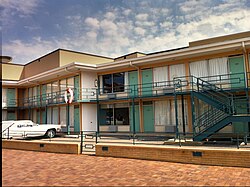
- National Civil Rights Museum: Located at the Lorraine Motel, documenting the American civil rights movement.
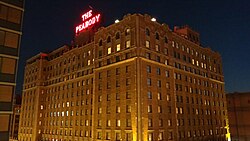
- Peabody Hotel: Famous for its tradition of rooftop ducks.
- Memphis Zoo: A major attraction featuring diverse mammal and bird exhibits.
- Orpheum Theatre: A venue for Broadway shows and opera.
Education and Sports
The city is an educational hub, anchored by the University of Memphis and several other institutions including Rhodes College and Christian Brothers University.
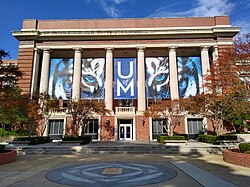
In sports, Memphis is home to the NBA's Memphis Grizzlies, who play at the FedExForum, and the Memphis Redbirds of the MiLB. The University of Memphis Tigers also maintain a strong presence in NCAA Division I football and basketball.

Frequently Asked Questions

What are the nicknames of Memphis?
Memphis is commonly referred to as Bluff City, Home of the Blues, Grind City, and The 901.
Who founded the city of Memphis?
The city was founded on May 22, 1819, by John Overton, James Winchester, and Andrew Jackson.
What is the primary economic driver of Memphis?
Logistics and distribution are primary drivers, significantly bolstered by the Memphis International Airport and FedEx.
What is the significance of Beale Street?
Beale Street is a world-famous center for music, particularly the blues, and is a major tourist attraction in downtown Memphis.
What is the population of Memphis?
As of the 2020 Census, the city population was 633,104, with a metropolitan population of approximately 1,345,425.