Medieval Europe: The Great Transformation of Society and Technology
Between the 11th and 13th centuries, Europe underwent a profound metamorphosis. This era was marked by a dramatic demographic surge, a revolution in farming techniques, and a spiritual awakening that reshaped the political landscape. Far from being a stagnant period, this age saw the birth of new social classes and technological leaps that laid the groundwork for the modern world.
The Demographic Upswing
Historians observe a striking increase in the European population during this period. While precise registry records are absent, indirect evidence—such as the expansion of cultivated land—confirms this growth. Feudal lords encouraged the clearing of virgin lands through contractual charters, offering advantageous terms to settlers who transformed woods and swamps into arable fields.
This expansion was not merely a result of human effort but was aided by a climatic factor. Between the 11th and 13th centuries, a decrease in rainfall led to rising temperatures. This warmer climate boosted agricultural yields and improved nutrition, which in turn lowered mortality rates and made populations more resistant to disease.
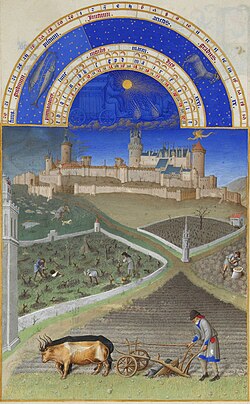
The retreat of the forests occurred primarily at the edges, where undergrowth was cleared by fire or primitive tools. In the Netherlands, "marsh farmers" performed large-scale collective deforestations, creating "dike villages" by wresting land from the sea. Similar reclamation efforts occurred in the Po Valley and the slopes of the Apennines.
Despite high infant mortality and short lifespans, the population grew steadily. Estimates suggest the population rose from 46 million around 1050 to 61 million by 1200.
The Agricultural Revolution
The demographic boom was both a cause and an effect of an agricultural revolution. The shift from the primitive wooden nail plow to the heavy wheeled mouldboard plow allowed farmers to carve deeper into the soil, providing better protection and nourishment for seeds, especially in cold, hard soils.
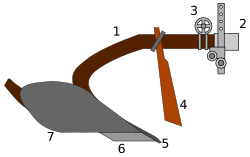
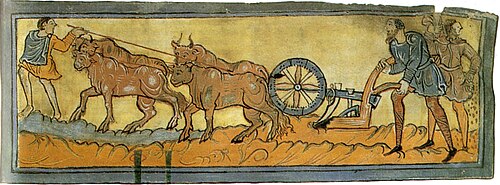
This period is often called the "age of iron" due to the increased use of iron in tools, though these remained expensive. Alongside the plow, animal traction improved with the replacement of the suffocating breastplate strap with the collar (yoke), which significantly increased the effectiveness of oxen and horses.
Crop rotation also evolved, with the cereal-legume pair becoming a standard practice to maintain soil fertility. These changes triggered a shift in land management; the traditional division between the pars dominica (land managed directly by the lord) and pars massaricia (land leased to settlers) vanished as the feudal economy transitioned toward a more written, contractual mentality.
The Building Revolution
Technological progress extended to transport and construction. The introduction of the row hitch system and four-wheeled carts enabled the movement of massive stone blocks and timbers. This capability fueled the construction of great cathedrals, which served as both spiritual centers and public assembly halls.
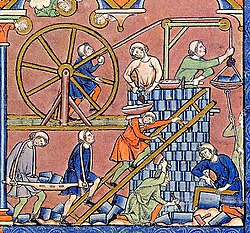
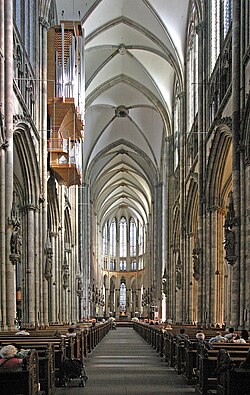
These cathedrals were symbols of the Church's power and wealth. Initially, the Romanesque style—characterized by massive, castle-like structures—was used as a tool of propaganda, though its complex symbolism was often beyond the reach of the common faithful. By the mid-11th century, the style evolved toward greater verticality, anticipating Gothic architecture and symbolizing a spiritual tension toward God.
Innovations in Manufacturing
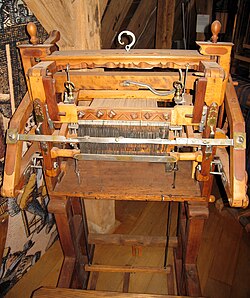
Industry also saw significant leaps. The pedal loom, which added a foot pedal to the hand loom, reduced weaver fatigue and accelerated textile production. This efficiency led to a secondary demand for faster spinning, promoting the use of the treadle wheel.
Simultaneously, the water mill was intensively exploited. As the cost of human and animal labor rose, water power became the preferred method for grinding grain. In 11th-century England, there were approximately five thousand mills. This technology eventually expanded into other industries, including fulling cloth in dye houses, operating bellows in forges, and powering saws in sawmills.
The Rise of Trade and the Merchant Class
By the second half of the 9th century, a new social class emerged: the negotiantes (merchants). As populations grew, old Roman cities were revitalized, and new markets flourished. Trade was divided between "coarse" goods (bulky, heavy items) and "fine" goods (high-value, low-bulk items like pearls, spices, and perfumes) which formed the backbone of international commerce.
The Reformation of Latin Christianity
Spiritual life underwent a parallel transformation. In 910, the monastery of Cluny was established under the Benedictine rule of Ora et Labora (Pray and work), operating with a degree of spiritual freedom from local nobles and bishops.
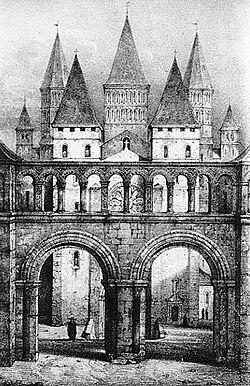
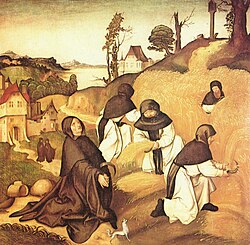
The Cluniac reform spread rapidly, creating a network of over a thousand monasteries. However, this organized spirituality also sparked a counter-movement of anchoretism, where hermits rejected all institutional bonds. Some laypeople, distrusting the compromised clergy, turned to extreme asceticism and heresy to seek salvation.
To combat corruption—specifically simony (the selling of church offices) and concubinage—the Gregorian reform was launched. Inspired by Hildebrand of Sovana (later Pope Gregory VII), the Lateran Synod of 1059 forbade laymen from appointing ecclesiastical offices and established that the pope be elected by a college of cardinals.
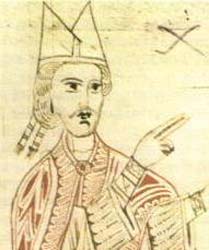
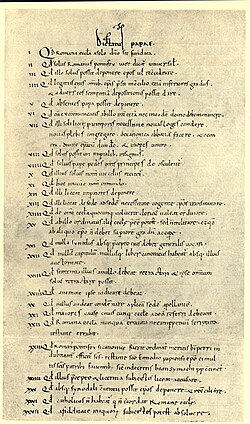
This led to the struggle for investiture, a power conflict between the Papacy and the Empire. Pope Gregory VII's Dictatus Papae (1075) asserted papal supremacy over imperial power, marking a turning point in the political and religious authority of the Middle Ages.
Key Facts
- Population Growth: European population rose from roughly 46 million in 1050 to 61 million by 1200.
- Climate Shift: A period of decreased rainfall and rising temperatures between the 11th and 13th centuries boosted food production.
- Agricultural Tech: The heavy mouldboard plow and the animal collar replaced primitive tools and straps, increasing crop yields.
- Industrial Tools: The pedal loom and water mill revolutionized textile production and grain processing.
- Church Reform: The Cluniac and Gregorian reforms aimed to eliminate simony and concubinage while asserting papal authority over secular rulers.
| Sector | Old Method/State | New Innovation/State | Impact |
|---|---|---|---|
| Agriculture | Nail plow & breastplate | Mouldboard plow & collar | Deeper plowing, better traction, higher yields |
| Industry | Hand loom & manual grinding | Pedal loom & water mill | Faster textile production, reduced human labor |
| Architecture | Small dwellings | Romanesque/Gothic Cathedrals | Urban centers, symbols of divine and church power |
| Society | Feudal lords & serfs | Rise of negotiantes (merchants) | Revival of cities and international trade |
| Religion | Imperial appointment of popes | Election by College of Cardinals | Papal autonomy and the Investiture Controversy |
Frequently Asked Questions
What was the mouldboard plow and why was it important?
The mouldboard plow was a heavy, iron-reinforced tool that could carve deeper into the soil than the previous wooden nail plow. This allowed farmers to cultivate cold, hard soils more effectively, providing better nourishment for seeds and increasing overall food production.
How did climate change affect medieval Europe?
Between the 11th and 13th centuries, a decrease in rainfall and an increase in temperature occurred. This climatic shift favored agricultural production, leading to better nutrition and a lower mortality rate, which contributed to the demographic upswing.
What were the "negotiantes"?
The negotiantes were a new social class of merchants who emerged around the 9th century. They played a crucial role in the rebirth of Roman cities and the expansion of trade, dealing in both "coarse" (bulky) and "fine" (high-value) goods.
What was the purpose of the Gregorian reform?
The Gregorian reform, led by Pope Gregory VII, sought to purify the Church by eliminating simony (selling offices) and concubinage. It also aimed to establish the Church's absolute autonomy from secular imperial power, leading to the struggle for investiture.
How did the water mill change medieval labor?
The intensive use of the water mill reduced the reliance on expensive human and animal labor. Beyond grinding grain, the technology was adapted for fulling cloth, operating bellows in forges, and powering saws in sawmills.