Measles: Symptoms, Prevention, and Global Impact
Measles, also known as rubeola, morbilli, or red measles, is a highly contagious infectious disease caused by the Morbillivirus hominis. While often mistaken for rubella (German measles) or roseola, measles is a distinct viral infection characterized by high fever and a widespread rash. Despite the availability of an effective vaccine, it remains a significant global health challenge, affecting millions of people annually.
The virus typically targets the respiratory system before spreading throughout the body, leading to a range of systemic symptoms. For many, the illness lasts between 7 to 10 days, but for vulnerable populations, it can lead to severe, life-threatening complications.
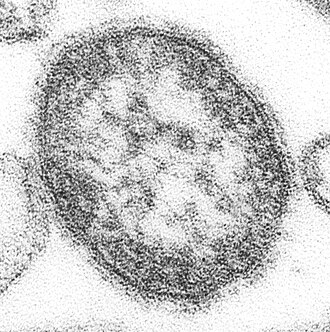
Key Facts
- Cause: The measles virus (Morbillivirus hominis).
- Incubation: Symptoms usually appear 10–12 days after exposure.
- Primary Symptoms: Fever, cough, runny nose, red eyes, and a characteristic rash.
- Prevention: The measles vaccine is the primary method of prevention.
- Global Burden: Approximately 10 million cases occur per year, with over 140,000 deaths reported in 2018.
Signs and Symptoms
The onset of measles is typically marked by a prodromal phase involving high fever, cough, coryza (runny nose), and conjunctivitis (red, inflamed eyes). A hallmark diagnostic sign is the appearance of Koplik spots—small white spots that appear inside the cheeks before the general rash develops.
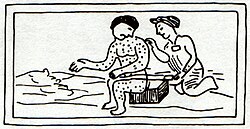
The characteristic measles rash usually begins on the face and spreads downward to the abdomen and extremities. This rash can appear differently depending on the patient's skin tone but generally follows a predictable progression across the body.
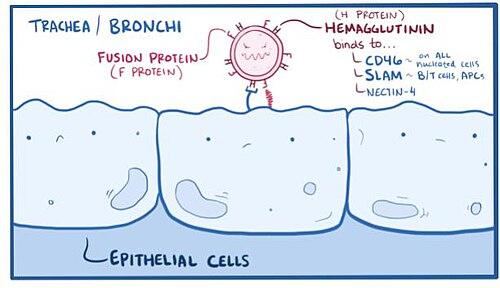
Complications and Pathophysiology
While many recover without permanent damage, measles can lead to severe complications. The most common serious complication is pneumonia, which can be fatal. Other neurological complications include seizures, encephalitis (inflammation of the brain), and a rare, delayed-onset condition called subacute sclerosing panencephalitis (SSPE).
Beyond immediate physical illness, measles is known to cause immune amnesia. This is a process where the virus suppresses the immune system and erases the body's "memory" of other previously encountered pathogens, leaving the patient more susceptible to other infections for a period after recovery.
![Photomicrograph of a lung tissue specimen, showing the histopathologic changes encountered in a case of measles pneumonia. Included in this view are numerous leukocytes and a multinucleated giant cell. Normal alveolar cytoarchitecture has been obliterated.[52]](/images/01/5a/015af7de071c88ef207caaf9e7a0766e26d32ebb16adfcb7bbee0b89d017e927.jpg)
Prevention and Treatment
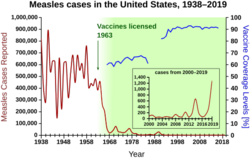
The most effective way to prevent measles is through vaccination. The vaccine developed by Maurice Hilleman is estimated to prevent one million deaths every year. In some clinical settings, Vitamin A is used as part of the management strategy, although it is important to note that Vitamin A cannot prevent or cure the disease on its own.
There is no specific antiviral cure for measles; treatment consists primarily of supportive care, which includes managing fever, ensuring hydration, and treating secondary bacterial infections if they occur.
![Maurice Hilleman's measles vaccine is estimated to prevent one million deaths per year.[165]](/images/a7/42/a742bb7fb43fd818e2a5b0ef62e5aaa9d948fb8682c6716243cef67e738385a9.jpg)
Epidemiology and Global Trends
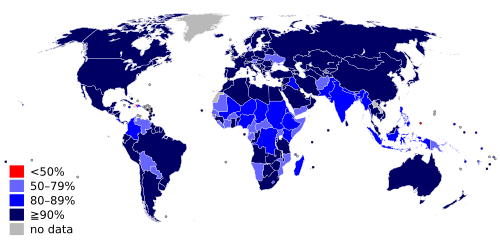
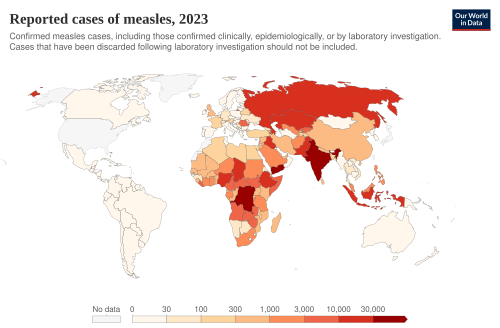
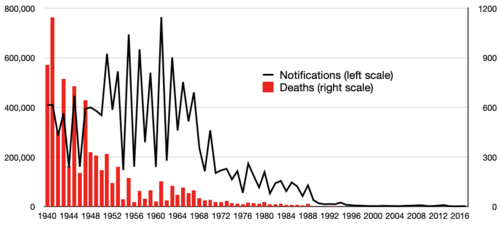
Measles incidence varies wildly by region, often correlating with vaccination coverage. While some regions have seen dramatic declines, gaps in immunization have led to resurgences in the Americas, Europe, and Africa.
The following table illustrates the decline in reported worldwide cases over four decades, highlighting the impact of global health initiatives.
| WHO Region | 1980 | 1990 | 2000 | 2010 | 2020 |
|---|---|---|---|---|---|
| African Region | 1,240,993 | 481,204 | 520,102 | 199,174 | 115,369 |
| Region of the Americas | 257,790 | 218,579 | 1,754 | 247 | 9,996 |
| Eastern Mediterranean | 341,624 | 59,058 | 38,592 | 10,072 | 6,769 |
| European Region | 492,660 | 185,818 | 37,421 | 30,625 | 10,945 |
| Southeast Asia | 199,535 | 224,925 | 78,558 | 54,228 | 9,389 |
| Western Pacific | 1,319,640 | 155,490 | 177,052 | 49,460 | 6,605 |
| Worldwide | 3,852,242 | 1,325,074 | 853,479 | 343,806 | 159,073 |
Frequently Asked Questions
Is measles the same as rubella?
No. Measles (rubeola) is a different viral infection from rubella, which is often called "German measles." While both cause rashes and fever, they are caused by different viruses and have different clinical profiles.
What are Koplik spots?
Koplik spots are small, white spots that appear on the inside of the cheeks. They are a diagnostic sign of measles and typically appear before the skin rash develops.
Can Vitamin A cure measles?
No, Vitamin A cannot prevent or cure measles. However, it is often used as a supportive treatment to help manage the severity of the infection.
What is immune amnesia?
Immune amnesia is a condition caused by the measles virus where the body's immune system loses its memory of other pathogens it had previously fought, making the person more susceptible to other diseases.
How long does a measles infection last?
The typical duration of the illness is 7 to 10 days, provided there are no further complications.