Yellow Fever: Symptoms, Transmission, and Prevention
Yellow fever, historically known as yellow jack, yellow plague, or bronze john, is a serious infectious disease caused by a virus and transmitted through the bite of infected mosquitoes. While many cases are mild, the disease can progress to a severe stage characterized by liver failure and bleeding, making it a significant public health concern in tropical regions of Africa and South America.
Key Facts
- Cause: Yellow fever virus, a member of the Flaviviridae family.
- Transmission: Spread to humans via the bite of infected mosquitoes, primarily Aedes aegypti.
- Primary Symptoms: Fever, chills, muscle pain, headache, nausea, and yellowing of the skin (jaundice).
- Prevention: A highly effective vaccine is available and often required for travel to risk areas.
- Impact: In 2013, Africa alone saw approximately 130,000 severe cases and 78,000 deaths.
Understanding the Cause and Transmission
Yellow fever is caused by the yellow fever virus, which belongs to the genus Orthoflavivirus. This virus is transmitted to humans through the bite of an infected mosquito. The most common vector is the Aedes aegypti mosquito, a species that thrives in urban environments.
Only the female mosquito bites humans to transmit the disease, as she requires blood meals for egg production.
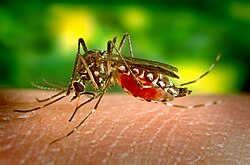
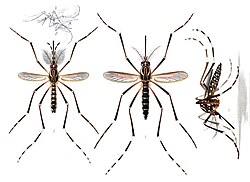
Historically, human activity has inadvertently aided the spread of the virus. For example, sugar curing houses on plantations used pots and jars that served as ideal breeding grounds for Aedes aegypti larvae, facilitating the spread of the disease in colonial settings.

Signs, Symptoms, and Complications
The onset of yellow fever typically occurs 3 to 6 days after exposure. For most patients, the illness lasts between 3 and 4 days. The initial phase of the disease often mimics other viral infections, making early diagnosis challenging.
Common Symptoms
- High fever and chills
- Severe muscle pain and headache
- Nausea and vomiting
- Fatigue and loss of appetite
- Yellow skin (jaundice), which gives the disease its name
Severe Complications
In a small percentage of cases, the disease progresses to a toxic phase. This stage is characterized by severe liver failure and internal bleeding (hemorrhaging), which can be fatal if not managed with supportive care.
Diagnosis and Treatment
Medical professionals diagnose yellow fever using a blood test to detect the presence of the virus or the antibodies the body produces to fight it. Because there is no specific antiviral cure for yellow fever, treatment focuses on supportive care, which includes managing symptoms, maintaining hydration, and treating secondary infections.
Prevention and Vaccination
The most effective way to prevent yellow fever is through vaccination. The yellow fever vaccine provides long-term protection and is a cornerstone of global health efforts to eliminate the disease.
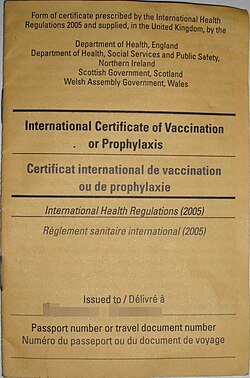
Due to the risk of international spread, some countries require proof of vaccination for travelers arriving from risk areas. This is typically documented via an official certificate.
![Vaccination against yellow fever 10 days before entering this country/territory is required for travellers coming from...[71] All countries Risk countries (including airport transfers)[note 1] Risk countries (excluding airport transfers)[note 2] No requirement (risk country)[note 3] No requirement (non-risk country)](/images/50/53/50537d255ba40f5219b1055a35a8404d488ca61936a357d1c8f4e222ef41f04c.webp)
Vector Control
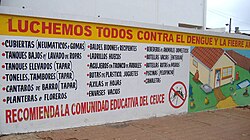
Beyond vaccination, reducing the mosquito population is critical. Vector control involves eliminating standing water where mosquitoes breed and using insect repellents or nets to prevent bites.
Epidemiology and Global Distribution
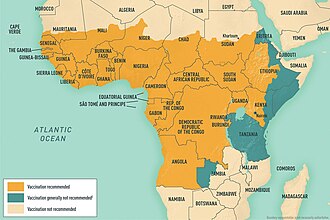
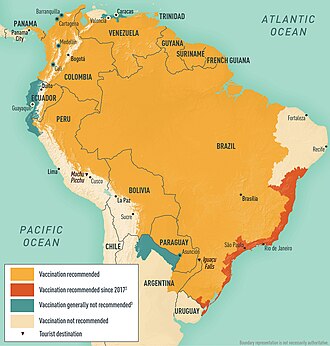
Yellow fever is primarily endemic to tropical regions of Africa and South America. While it was once present in other regions, it is currently absent from Asia, though researchers continue to monitor the potential for introduction into the Asia-Pacific region.
| Region | Status/Impact | Key Notes |
|---|---|---|
| Africa | High Endemicity | ~130,000 severe cases and ~78,000 deaths in 2013. |
| South America | Endemic | Ongoing risk in tropical forest areas. |
| Asia | Absent | No current endemic transmission, but monitored for risk. |
Historical Impact
Yellow fever has shaped human history, particularly in the Americas. In the 18th and 19th centuries, massive epidemics devastated cities. For instance, New Orleans' cemeteries still contain headstones from the 1878 epidemic, and naval records from the 1820s document the heavy toll the disease took on crews aboard ships like the USS Macedonian.


Frequently Asked Questions
How is yellow fever transmitted?
It is transmitted to humans through the bite of an infected mosquito, most commonly the female Aedes aegypti.
Is there a cure for yellow fever?
There is no specific antiviral medication to cure yellow fever; treatment consists of supportive care to manage symptoms and complications.
Who needs the yellow fever vaccine?
People traveling to countries with a risk of yellow fever transmission are strongly encouraged to get vaccinated. Some countries require a vaccination certificate for entry.
What are the most dangerous complications of the disease?
The most severe complications include liver failure and internal bleeding, which occur in the toxic phase of the illness.
Can yellow fever be prevented without a vaccine?
While the vaccine is the most effective method, risk can be reduced through vector control, such as eliminating mosquito breeding sites and using protective clothing and repellents.