Malaria: Causes, Symptoms, and Global Prevention Strategies
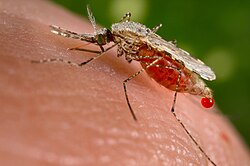
Malaria is a life-threatening infectious disease caused by parasites that are transmitted to humans through the bites of infected female Anopheles mosquitoes. Also known historically as ague, paludism, or marsh fever, it remains a significant global health challenge, particularly in endemic tropical and subtropical regions.
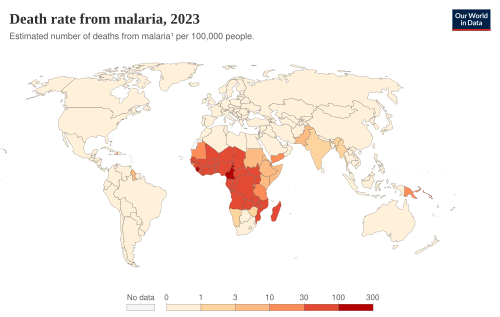
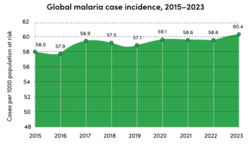
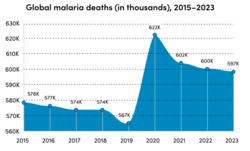
In 2024, the global burden of the disease remained high, with approximately 282 million cases and 610,000 deaths reported. While preventable and curable, the disease continues to impact vulnerable populations, especially children under five and pregnant women.
Key Facts
- Cause: Plasmodium parasites transmitted via Anopheles mosquitoes.
- Incubation: Symptoms typically appear 10–15 days after exposure.
- Global Impact: 282 million cases and 610,000 deaths in 2024.
- Diagnosis: Blood film examination (gold standard) and antigen detection tests.
- Prevention: Mosquito nets, insect repellents, and vaccines.
- Treatment: Specialized antimalarial medications.
The Life Cycle of the Malaria Parasite

The transmission of malaria involves a complex biological cycle between the mosquito vector and the human host. The process begins when an infected mosquito bites a human, introducing sporozoites (the infectious stage of the parasite) into the bloodstream.
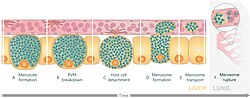
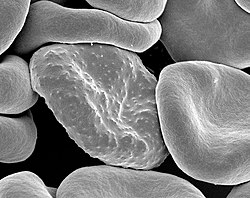
Once inside the body, these sporozoites travel to the liver, where they multiply into thousands of merozoites. These merozoites then enter the bloodstream and infect red blood cells (erythrocytes), replicating further and causing the cells to burst, which releases more parasites to infect additional cells.
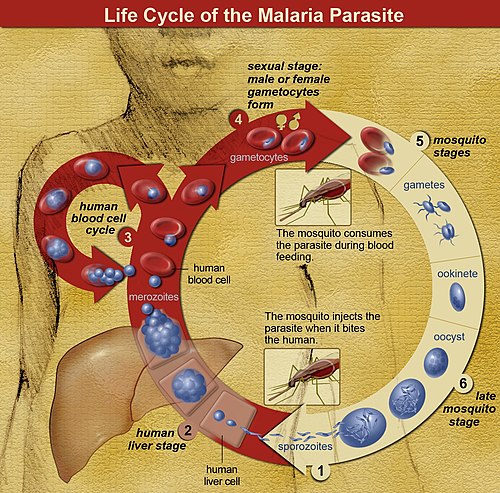
Some parasites develop into gametocytes, which can be ingested by another mosquito during a blood meal, thereby continuing the transmission cycle. In some species, parasites can remain dormant in the liver, leading to recurrent malaria episodes long after the initial infection.
Signs, Symptoms, and Complications
Malaria typically presents in two forms: uncomplicated and severe.
Uncomplicated Malaria
Mild cases often resemble a severe flu. Common symptoms include:
- Fever and chills
- Headache
- Vomiting and diarrhoea
![Main symptoms of malaria[24]](/images/2f/7a/2f7acc48e552c9159fd9294893eaa91944d29d77e3ba334e915c5883a2416860.png)
Severe and Complicated Malaria
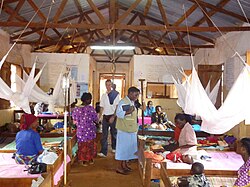
If left untreated, malaria can progress to severe forms that can be fatal. Cerebral malaria occurs when parasites obstruct blood flow to the brain, leading to decreased consciousness, convulsions, or coma. Other severe complications include:
- Severe Anaemia: Caused by the massive destruction of red blood cells.
- Organ Failure: Including kidney failure (marked by haemoglobin in the urine) and liver dysfunction (jaundice).
- Respiratory Distress: Acute respiratory distress syndrome (ARDS).
- Metabolic Acidosis: Lactate levels exceeding 5 mmol/L.
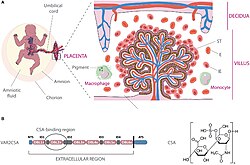
Pregnant women are particularly at risk, as infected erythrocytes can cluster in the intervillous space around placental villi, potentially harming both the mother and the fetus.
Diagnosis and Treatment
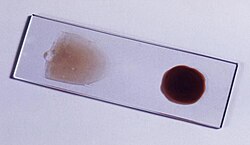
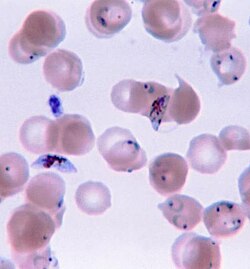
Early and accurate diagnosis is critical for survival. The blood film remains the gold standard for diagnosis, allowing clinicians to identify the specific Plasmodium species and the density of the infection.
Medical Interventions
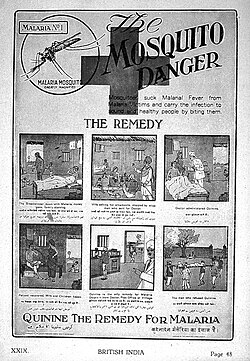
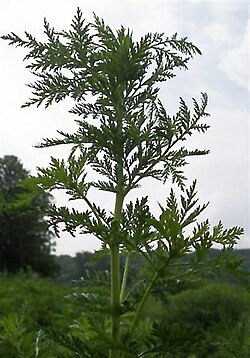
Treatment depends on the severity of the disease and the species of the parasite. Historically, quinine was a primary treatment, but modern medicine relies heavily on artemisinin-based combination therapies (ACTs). Artemisinin is derived from the plant Artemisia annua (sweet wormwood).
A major challenge in modern treatment is drug resistance, where parasites evolve to survive standard medications, necessitating the constant development of new antimalarial drugs.
Prevention and Vector Control
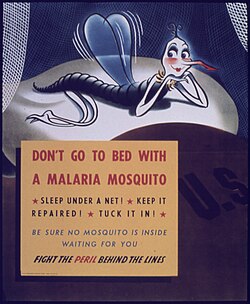
Preventing malaria focuses on breaking the transmission cycle by limiting contact between humans and mosquitoes.
Personal and Environmental Protection
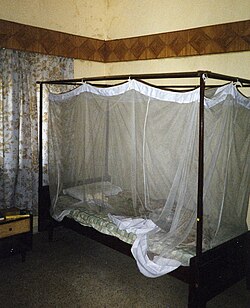
- Insecticide-Treated Nets (ITNs): Providing a physical and chemical barrier during sleep.
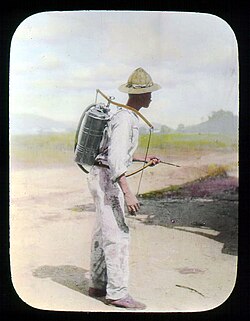
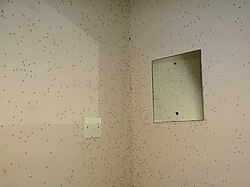
- Indoor Residual Spraying (IRS): Applying insecticides (such as pyrethroids, organophosphates, carbamates, or restricted organochlorides like DDT) to interior walls.
- Repellents: Using skin-applied insect repellents.
Vaccines and Prophylaxis
Recent breakthroughs have led to the recommendation of malaria vaccines, such as the R21/Matrix-M, to protect children in endemic regions. Additionally, travelers to high-risk areas may take prophylactic medication to prevent infection.
Epidemiology and History
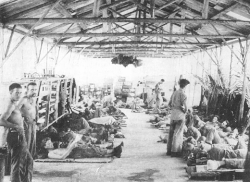
Malaria has existed for millennia, with evidence of oocysts found in ancient Dominican amber. Its history is intertwined with human conflict and colonization, often impacting military forces during wars.
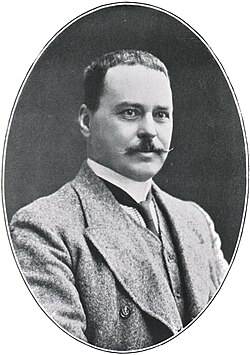
Significant scientific milestones include the work of Ronald Ross, who discovered that mosquitoes transmit the parasite, and Tu Youyou, who discovered artemisinin. Both were awarded the Nobel Prize for Physiology or Medicine.

Current Global Trends
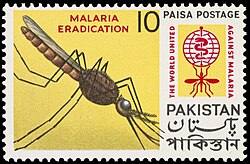
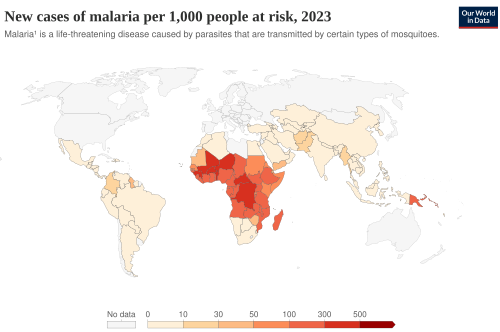
While eradication efforts began in earnest with the WHO in 1955, progress has been uneven. Climate change is now expanding the geographic distribution of mosquitoes and increasing transmission seasons due to extreme weather events.
| Feature | Details |
|---|---|
| Causative Agent | Plasmodium parasites |
| Vector | Female Anopheles mosquito |
| Primary Symptoms | Fever, chills, headache, vomiting |
| Severe Complications | Cerebral malaria, severe anaemia, organ failure |
| Gold Standard Diagnosis | Blood film examination |
| Key Prevention | ITNs, IRS, and Vaccines |
Frequently Asked Questions
How long after a mosquito bite do malaria symptoms appear?
Symptoms usually manifest between 10 and 15 days after exposure to the infected mosquito.
Can malaria be cured?
Yes, malaria is curable with the correct antimalarial medications. However, if left untreated, the infection can be lifelong or fatal.
What is the difference between uncomplicated and severe malaria?
Uncomplicated malaria presents with flu-like symptoms such as fever and chills. Severe malaria involves life-threatening complications like coma, kidney failure, or severe anaemia.
How do malaria vaccines help?
Vaccines, such as R21/Matrix-M, help the immune system recognize and fight the parasite, significantly reducing the incidence of severe disease in children within endemic areas.
Why is climate change a threat to malaria control?
Climate change can alter the geographic range of Anopheles mosquitoes, lengthen the transmission season, and create conditions through extreme weather that favor mosquito breeding.