Marine Sediments: The Geological Record of the Ocean Floor
The ocean floor is not merely a barren expanse of rock; it is a vast repository of marine sediments. These deposits consist of insoluble particles that accumulate over millions of years, creating a complex geological archive. From the fine clays of the deep abyss to the coarse sands of the continental shelves, these materials originate from land-based erosion, biological activity, chemical reactions, and even outer space.
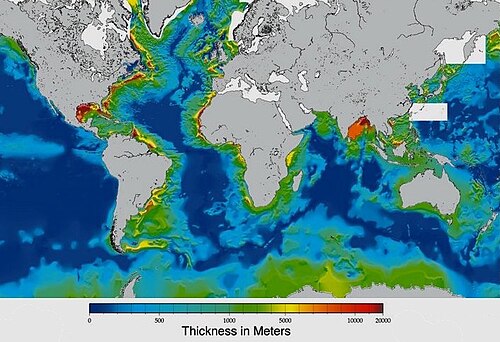
While most of the seafloor is covered in sediment, there are notable exceptions. Near mid-ocean ridges, where volcanic rock is relatively young, sediment layers are thin or absent. Elsewhere, these deposits can range from a few millimeters to several tens of kilometers in thickness. While surface sediments remain unconsolidated, those buried hundreds to thousands of meters deep undergo lithification, the process of turning into solid rock.
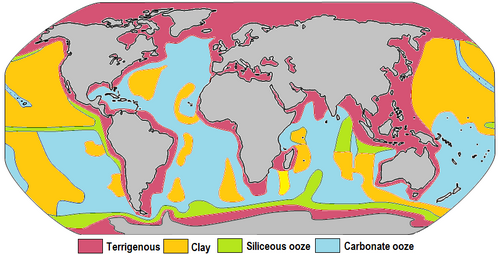
Key Facts
- Diverse Origins: Sediments are classified as lithogenous (land-derived), biogenous (organism-derived), hydrogenous (chemically precipitated), or cosmogenous (extraterrestrial).
- Variable Accumulation: Rates vary wildly, from over one meter per thousand years near river mouths to just one millimeter per thousand years in the deep ocean.
- The Fecal Express: Most biogenic particles reach the seafloor quickly because they are consumed and expelled as heavy fecal pellets, rather than sinking individually.
- Climate Archive: The ratio of oxygen isotopes (O16 to O18) in calcareous shells allows scientists to reconstruct ancient global temperatures.
- Tectonic Link: Sediment thickness generally increases as distance from a mid-ocean ridge increases, reflecting the age of the ocean crust.
Classification by Origin
Marine sediments are categorized into four primary types based on where the particles originate.
Lithogenous Sediments
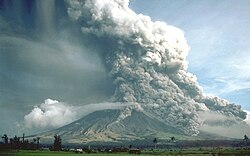
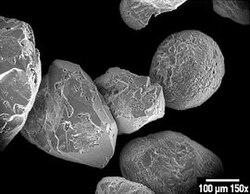
Lithogenous sediments are derived from the weathering and erosion of rocks on land. These particles are transported to the ocean via rivers, wind-borne dust, and glaciers.
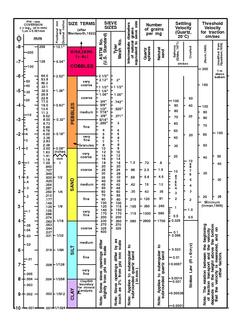
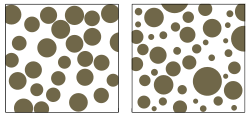
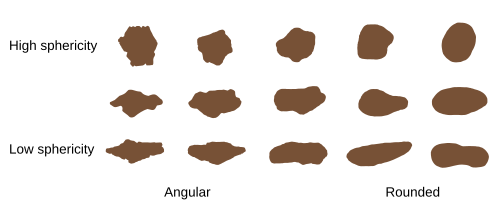
The texture of these sediments is defined by their sorting (the uniformity of particle size) and grain shape (sphericity and rounding). Well-sorted sediments have particles of similar size, whereas poorly sorted sediments contain a wide range of sizes.
Biogenous Sediments
Biogenous sediments form from the remains of marine organisms, specifically the hard shells or tests of microscopic plankton. These are often referred to as oozes.
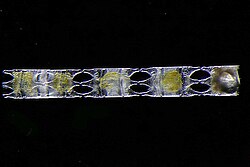
- Siliceous Ooze: Composed of silica (SiO2), typically from diatoms (which create frustules) and radiolarians.
- Calcareous Ooze: Composed of calcium carbonate (CaCO3), primarily from foraminiferans and coccolithophores.
![Stone dagger of Ötzi the Iceman who lived during the Copper Age. The blade is made of chert containing radiolarians, calcispheres, calpionellids and a few sponge spicules. The presence of calpionellids, which are extinct, was used to date this dagger.[12]](/images/09/cf/09cf96f631e9b7819f2be39e6a31e10d87a3cf62c68a03661d93ef7357c67f34.png)
These sediments are vital for paleoceanography. By analyzing the ratio of oxygen isotopes (O16 and O18) in calcium carbonate shells, researchers can infer past climate conditions. Because O16 evaporates more easily than O18, cooler climates result in more O16 being trapped in glacial ice, leaving the seawater—and the shells formed within it—enriched with O18.
Hydrogenous Sediments
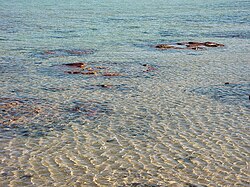
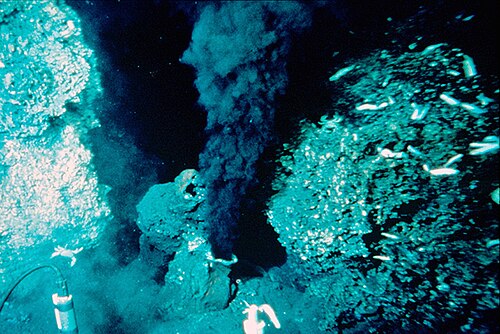
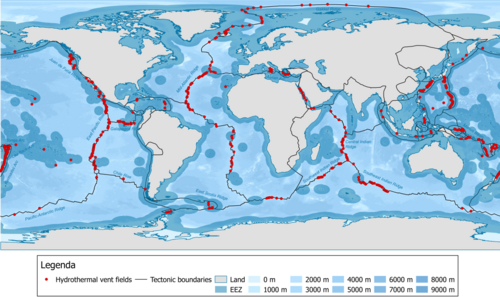
Hydrogenous sediments precipitate directly from seawater due to chemical reactions. Examples include manganese nodules, salts left behind by evaporation, and deposits from hydrothermal vents.
Cosmogenous Sediments
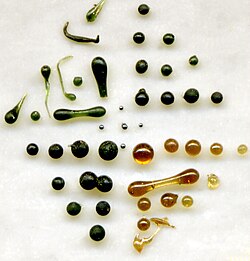
The rarest form of sediment, cosmogenous deposits originate from outer space, consisting of meteorite debris and cosmic dust that settles on the ocean floor.
Sediment Distribution and Dynamics
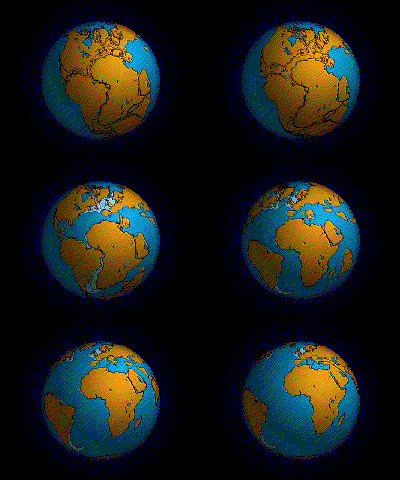
The distribution of sediment is heavily influenced by plate tectonics. New ocean crust is formed at mid-ocean ridges and spreads outward. Consequently, the crust is youngest at the ridge and oldest furthest away.
![Age of the ocean crust [14] In this diagram the youngest parts of the ocean crust are coloured red. These young parts are found either side of the mid-ocean ridge. New crust emerges and spreads out from this ridge, which traverses central parts of the ocean.](/images/ef/aa/efaa6cd2500987151316fbbc8377d7d54eeed7bb8a259f5fbf901b034f0f42e8.jpg)
Because the crust has more time to collect debris as it moves away from the ridge, sediment thickness increases with distance. This relationship is a key piece of evidence for the theory of seafloor spreading.
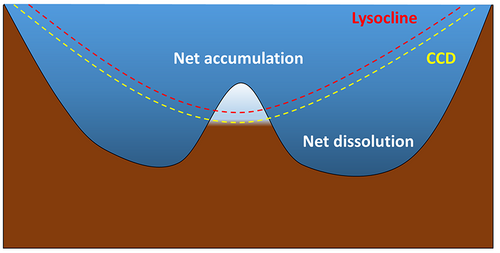
Furthermore, the accumulation of calcareous sediment is limited by the Calcium Carbonate Compensation Depth (CCD). Below this depth, the rate of dissolution exceeds the rate of supply, meaning calcium carbonate shells dissolve and cannot accumulate.
Coastal vs. Pelagic Sediments
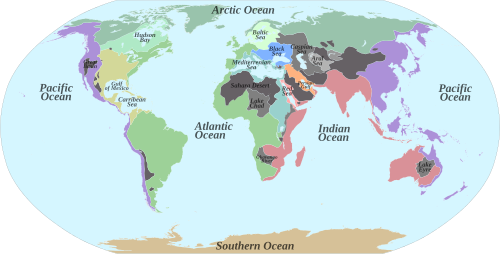
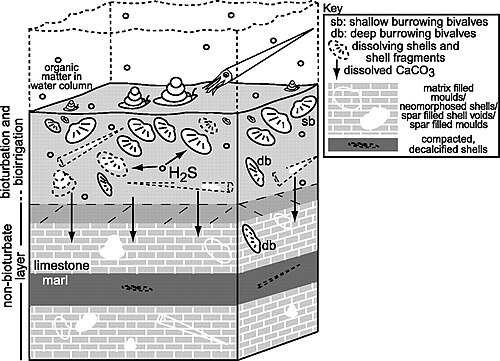
Coastal sediments are found near landmasses and are often dominated by lithogenous material. In these areas, bioturbation (the reworking of soils and sediments by animals) and bioirrigation (the flushing of oxygenated water into sediments via animal burrows) play significant roles in the ecosystem.
Pelagic sediments, conversely, are found in the open ocean. These include turbidites (deposits from underwater landslides), contourites (shaped by bottom currents), and hemipelagic sediments (a mix of lithogenous and biogenous materials).
The Biological and Chemical Role of Sediments
Marine sediments are active sites for carbon processing. Organic matter settles from the water column or is produced in situ by benthic microalgae. This carbon is then processed by a variety of actors: biogeochemists study its burial, organic geochemists examine its alteration, and ecologists view it as a food source for benthic organisms.
![Different approaches to carbon processing in marine sediments [67] Paleoceanographers focus on the sedimentary record Biogeochemists quantify carbon burial and recycling Organic geochemists study alteration of organic matter Ecologists focus on carbon as food for organisms living in the sedimentThe red–orange–yellow fractions of organic matter have a different lability](/images/55/30/5530b0698dc03b84d4c272e2aab3612ddda1f4a8964cd36735e4c4c483bbca6f.png)
![Organic matter supply to sediments ocean [68] (1) Organic matter settling from the water column is deposited at seafloor (donor control; fixed flux upper boundary condition).(2) Sediments in the photic zone are inhabited by benthic microalgae that produce new organic matter in situ and grazing animals can impact the growth of these primary producers.(3) Bioturbating animals transfer labile carbon from the sediment surface layer to deeper layers in the sediments. (Vertical axis is depth; horizontal axis is concentration)(4) Suspension-feeding organisms enhance the transfer of suspended particulate matter from the water column to the sediments (biodeposition).(5) Sponge consume dissolved organic carbon and produce cellular debris that can be consumed by benthic organisms (i.e., the sponge loop).[67]](/images/74/bf/74bff0c635d781958ca2b1a66d2fa61234db7e8242137fc5a15be5ad44f62bb9.png)
Diatoms, a type of phytoplankton, are particularly influential. They generate approximately 20% of the planet's annual oxygen and contribute nearly half of the organic material found in the oceans.
Research and History
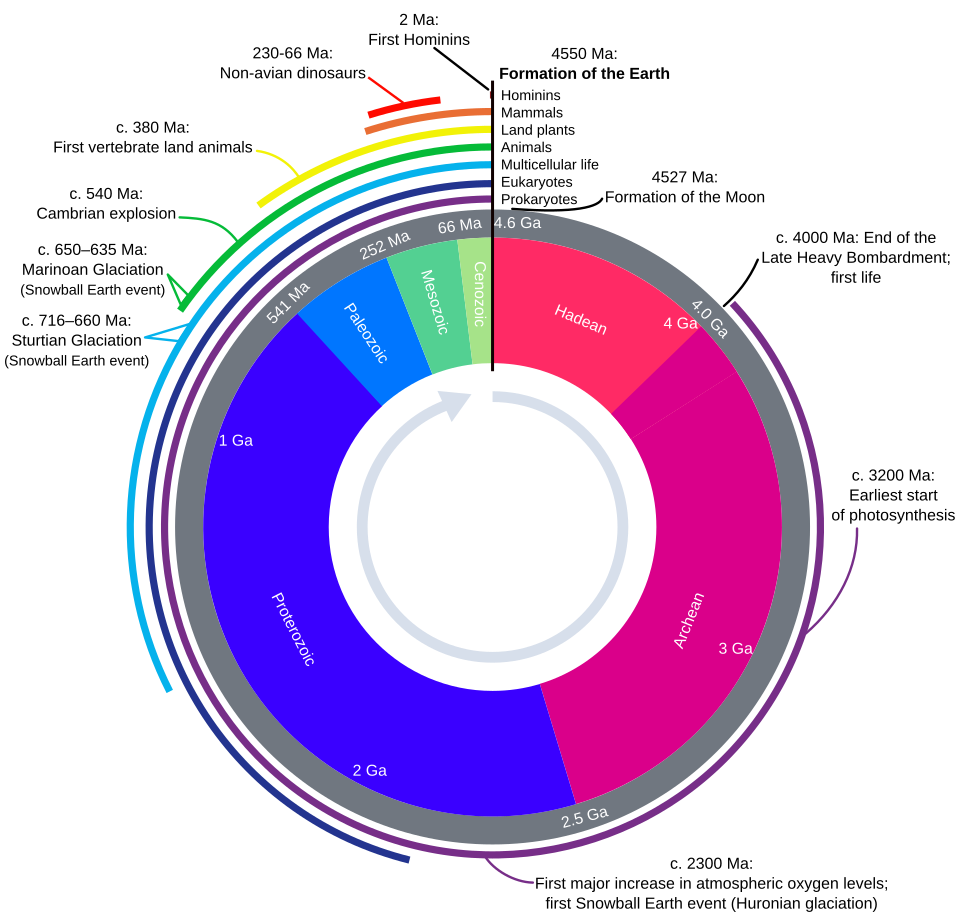
The systematic study of the seafloor began with the HMS Challenger expedition (1872–1876), which transitioned oceanography from speculation to a rigorous science. Later, in the 1960s, the work of Harold Hess and Robert Dietz introduced the concept of seafloor spreading, which was later confirmed by the Deep Sea Drilling Program using the vessel Glomar Challenger.
![Example of a sediment core - with line scan and X-ray image.[65]](/images/34/97/3497f4680480b98333f9a5ec58fa83abbbaf72acda54000b25a29c2eab7fe12d.png)
![Sediment core, taken with a gravity corer by the research vessel RV Polarstern in the South Atlantic; light/dark-coloured changes are due to climate cycles of the Quaternary; basis age of the core is about one million years (length of each segment is one metre).[66]](/images/73/0b/730bdb5c50c2090ac67cd8df557f7f9eb7b22263fad0026f342b4dcbb060e0c1.jpg)
| Type | Primary Source | Common Composition | Typical Location |
|---|---|---|---|
| Lithogenous | Land erosion/Wind | Silicates, Clay, Sand | Continental shelves, margins |
| Biogenous | Marine organisms | Calcium Carbonate, Silica | Deep ocean basins (above CCD) |
| Hydrogenous | Chemical precipitation | Metal oxides, Evaporites | Mid-ocean ridges, abyssal plains |
| Cosmogenous | Space debris | Meteoritic dust | Widespread (very low volume) |
Frequently Asked Questions
What is the difference between siliceous and calcareous ooze?
Siliceous ooze is composed of silica (SiO2) and comes from organisms like diatoms and radiolarians. Calcareous ooze is composed of calcium carbonate (CaCO3) and comes from organisms like foraminiferans and coccolithophores.
How do scientists use sediments to determine ancient temperatures?
They analyze the ratio of oxygen isotopes (O16 to O18) in the shells of biogenous sediments. A lower O16:O18 ratio typically indicates a colder climate, as the lighter O16 isotope is trapped in glacial ice on land.
What is the "fecal express"?
The fecal express refers to the process where microscopic shells are consumed by larger organisms and expelled as fecal pellets. These pellets sink much faster (10–15 days) than individual shells (10–50 years), ensuring sediments accumulate closer to where the organisms lived.
Why are sediments thinner near mid-ocean ridges?
Mid-ocean ridges are the sites where new ocean crust is formed. Because this rock is geologically young, it has had significantly less time to accumulate falling sediment compared to older crust further away from the ridge.
What is the Calcium Carbonate Compensation Depth (CCD)?
The CCD is the depth in the ocean below which the rate of calcium carbonate dissolution equals the rate of supply. Below this depth, calcareous sediments dissolve and cannot accumulate on the seafloor.