Volcano: From Earth's Core to the Far Reaches of Space
A volcano is more than just a mountain that erupts; it is a vent or fissure in the crust of a planetary-mass object. This opening allows hot lava, volcanic ash, and gases to escape from a magma chamber located beneath the surface. While we often associate them with land, most of Earth's volcanoes are actually underwater, as the majority of the planet's plate boundaries are submerged.
Volcanic activity is a powerful force that shapes landscapes, influences global climates, and provides a window into the internal heat of planetary bodies. From the violent explosions of stratovolcanoes to the slow ooze of shield volcanoes, these geological features are diverse in form and function.
The Geological Engine: Plate Tectonics and Hotspots
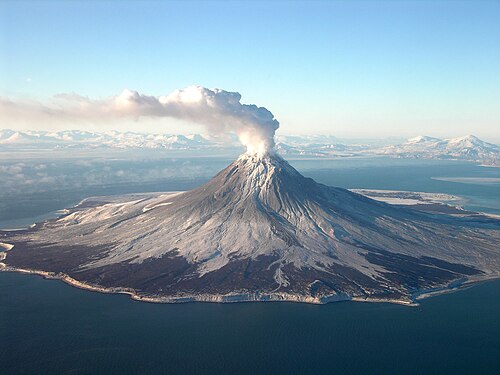
On Earth, volcanism is primarily driven by the movement of tectonic plates—massive slabs of the Earth's lithosphere. Most volcanoes form where these plates are either diverging (moving apart) or converging (colliding).
- Divergent Boundaries: These occur where plates pull away from each other, such as at the Mid-Atlantic Ridge. Volcanism here is typically non-explosive.
- Convergent Boundaries: These occur where plates collide, such as in the Pacific Ring of Fire. These boundaries often produce violent, explosive eruptions.
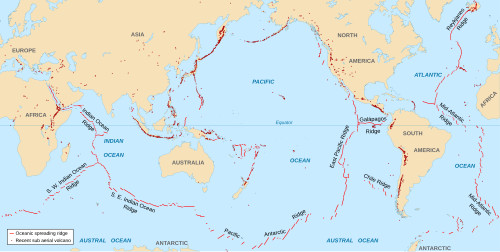
Volcanoes can also emerge where the crust is stretching and thinning, a process known as continental rifting. Examples include the East African Rift, the Rio Grande rift in North America, and the Wells Gray-Clearwater volcanic field. In some cases, volcanism occurs far from plate boundaries due to mantle plumes—upwelling columns of hot rock rising from the core-mantle boundary, roughly 3,000 kilometers (1,900 mi) deep. This creates "hotspot" or intraplate volcanism. As a tectonic plate moves over a stationary plume, it can create a chain of volcanic islands, a process exemplified by the Hawaiian hotspot.
Classifying Volcanic Activity
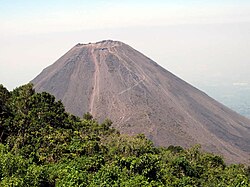
Geologists categorize volcanoes based on their eruption frequency and likelihood of future activity. These categories can sometimes overlap, but they provide a general framework for risk assessment.
- Active: Volcanoes with a documented history of eruptions that are likely to erupt again.
- Dormant: Volcanoes that have not erupted for a long time—generally since the start of the Holocene (approximately 12,000 years ago)—but still possess the potential to erupt. Technically, these are still considered seismically active.
- Extinct: Volcanoes that are no longer capable of erupting because they no longer have a magma source.
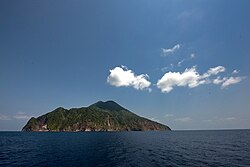
Distinguishing between dormant and extinct volcanoes can be challenging. For instance, the Chaitén volcano erupted unexpectedly in 2008, and the Taftan volcano in Iran showed signs of uplifting in 2023 after being thought extinct for 710,000 years. Similarly, the Soufrière Hills volcano on Montserrat was considered extinct until it resumed activity in 1995.
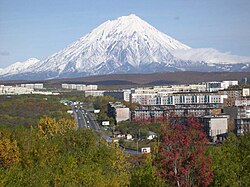
Types of Volcanic Structures
The shape and behavior of a volcano depend largely on the composition of its magma and the nature of its eruptions.
Shield Volcanoes and Fissure Vents
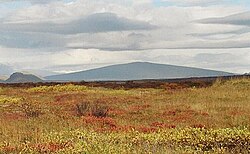
Shield volcanoes are characterized by broad, gentle slopes, resembling a warrior's shield. They are formed by the eruption of low-viscosity lava that flows easily over long distances. An example is Skjaldbreiður in Iceland.
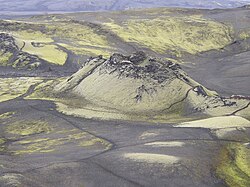
Some lava does not emerge from a single peak but through fissure vents—long cracks in the crust. The Lakagigar fissure vent in Iceland is a notable example, featuring a chain of volcanic cones along its length.
Cinder Cones and Lava Domes
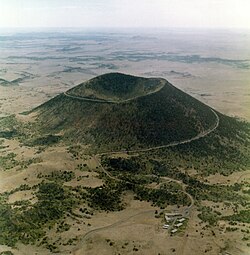
Cinder cones are relatively small, cone-shaped hills (30 to 400 meters high) built from scoria and pyroclastics—small pieces of ejected rock that resemble cinders. Many cinder cones, such as Parícutin in Mexico or Sunset Crater in Arizona, erupt only once. They can occur independently or as flank vents on larger volcanoes.
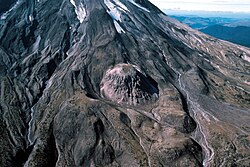
Lava domes form when highly viscous magma is too thick to flow far from the vent, instead piling up into a dome shape. The East dome on the lower flank of Mount St. Helens is a prime example.
Stratovolcanoes (Composite Volcanoes)
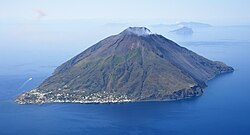
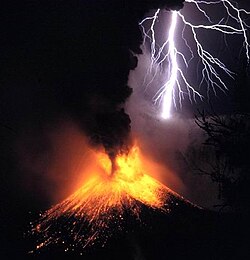
Stratovolcanoes are steep-sided cones composed of alternating layers of lava and ash. Their magma is higher in silica, making it more viscous (thick) and prone to trapping dissolved gases. This combination leads to explosive eruptions and the production of tephra—solid particles of various sizes ejected into the air.
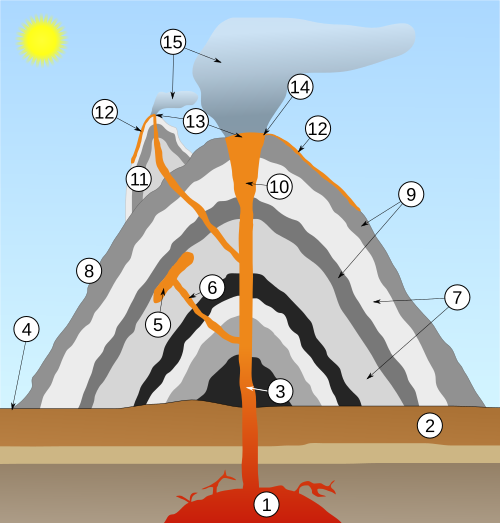
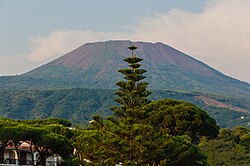
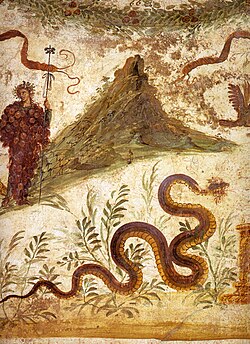
These volcanoes pose significant hazards, including lahars (dangerous mudflows of loose tephra) and pyroclastic surges—high-speed clouds of hot gas and ash. Mount Vesuvius in Italy and Mount Rinjani in Indonesia are classic examples of stratovolcanoes.
Supervolcanoes and Calderas
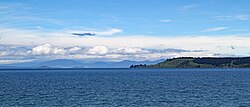
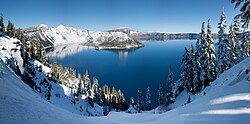
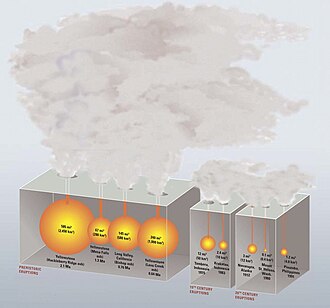
When a massive eruption empties a magma chamber, the ground above can collapse, creating a large depression called a caldera. Supervolcanoes are characterized by these enormous calderas, such as Lake Taupō in New Zealand and the Yellowstone caldera in the United States.
Eruptive Materials and Environmental Impact
Volcanic eruptions release three primary materials: lava (magma that reaches the surface), tephra (solid fragments), and volcanic gases.
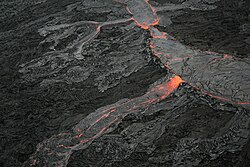
Lava varies in composition. Felsic magmas are highly viscous and often lead to explosive volcanism. These eruptions can produce pyroclastic flows (or ignimbrites)—incinerating clouds of ash and gas that travel rapidly down slopes at temperatures up to 850 °C (1,560 °F). The Valley of Ten Thousand Smokes in Alaska was formed by such a deposit during the 1912 eruption of Novarupta.
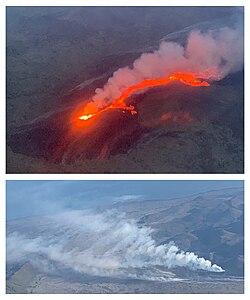
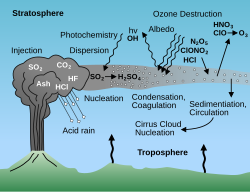
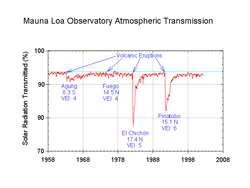
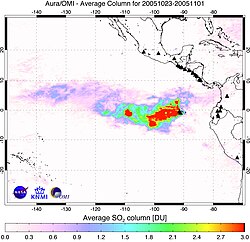
Volcanic gases and aerosols, such as sulfur dioxide, can be injected high into the stratosphere. These particles can obscure sunlight and cool the Earth's troposphere, potentially leading to "volcanic winters" and catastrophic famines. The 1815 eruption of Mount Tambora caused the "Year Without a Summer," creating global climate anomalies.
Summary of Volcano Types
| Volcano Type | Typical Shape | Eruption Style | Key Characteristics |
|---|---|---|---|
| Shield | Broad, gentle slopes | Non-explosive | Low-viscosity lava, large area |
| Stratovolcano | Steep, conical | Explosive | High-silica lava, alternating ash/lava layers |
| Cinder Cone | Small, steep cone | Short-lived/Burst | Built from scoria and pyroclastics |
| Caldera | Large basin/depression | Catastrophic | Formed by magma chamber collapse |
Specialized Volcanic Features
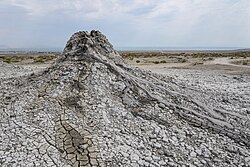
Not all volcanoes erupt molten rock. Mud volcanoes are conical structures that erupt slurries of mud, water, and gases. These can be found in places like Gobustan or off the coast of Indonesia.
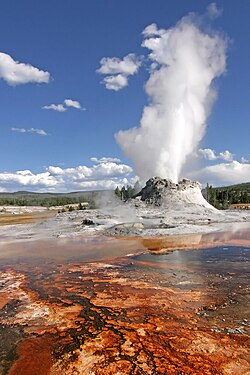
Additionally, hydrothermal activity can create fumaroles (gas vents) and geysers, such as the Castle geyser in Yellowstone National Park, where groundwater is heated by underlying magma.
Volcanism Beyond Earth
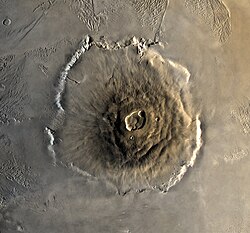
Volcanism is a widespread planetary process. Venus has numerous volcanoes, and Mars hosts the tallest known mountain in the Solar System, Olympus Mons.
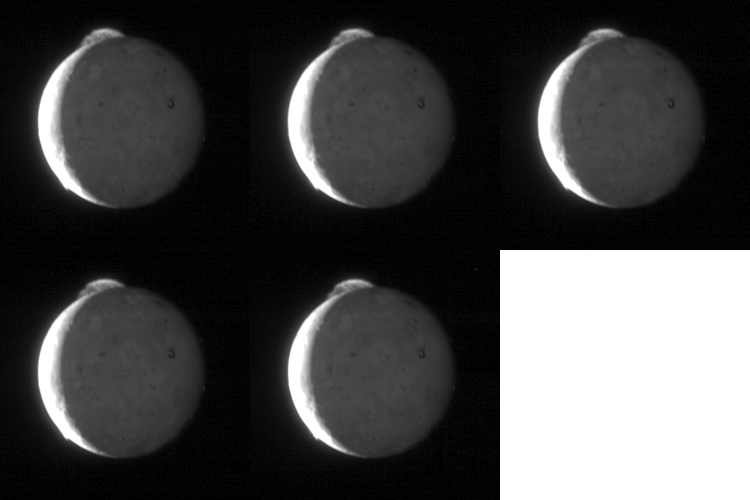
Jupiter's moon Io is the most volcanically active object in the Solar System due to tidal interactions with Jupiter, erupting sulfur and silicate rock at temperatures exceeding 1,500 °C. Meanwhile, Europa exhibits cryovolcanism, where water—rather than molten rock—erupts and freezes into ice on the surface.
Humanity and the Volcano
The relationship between humans and volcanoes is complex. While eruptions can be devastating, volcanic soil is often highly fertile. Historically, the lack of monitoring led to massive loss of life, but modern technology has changed this. By monitoring seismic signals and gas compositions, officials can facilitate timely evacuations. The 1991 evacuation of Mount Pinatubo is estimated to have saved 20,000 lives.
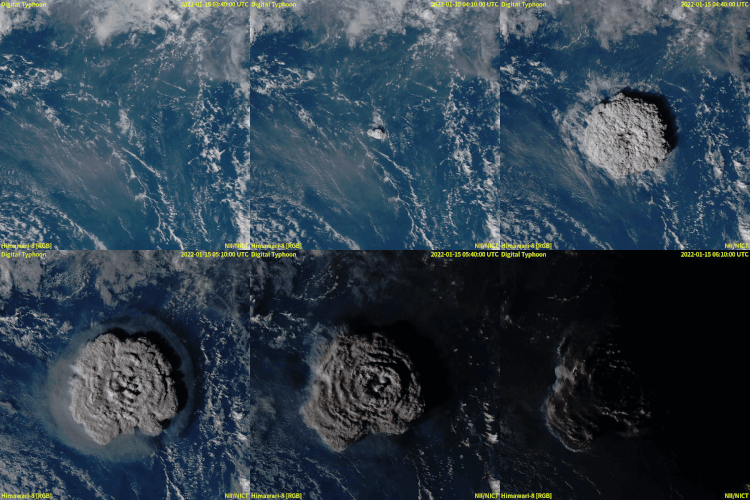
Our understanding of these phenomena has evolved from early myths and incorrect theories—such as the belief that eruptions were caused by "great winds" or "Earth's tears"—to the modern science of plate tectonics. This progression, from the works of James Hutton and René Descartes to Arthur Holmes' research on radioactive heat and mantle convection, allows us to better predict and survive the power of the Earth's interior.