Mapuche People: History, Culture, and Resilience in South America
The Mapuche are one of the most prominent Indigenous groups in South America, primarily inhabiting the regions of present-day Chile and Argentina. Known for their fierce independence and rich cultural heritage, the Mapuche have maintained a distinct identity through centuries of conflict and societal change. Their name is derived from mapu (land) and che (people), literally meaning "people of the land."
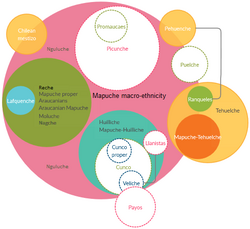
Today, the Mapuche population is estimated at approximately 1,768,856, with the vast majority residing in Chile. Their society is a tapestry of various subgroups, including core groups like the Moluche, Huilliche, and Picunche, as well as "Araucanized" groups such as the Pehuenche and Tehuelche who adopted Mapuche language and culture.
Key Facts
- Total Population: Approximately 1.77 million people.
- Primary Locations: Chile (c. 1.62 million) and Argentina (c. 145,000).
- Language: Mapudungun, alongside Spanish.
- Historical Resistance: Fought the Arauco War for nearly 350 years against Spanish colonization.
- Cultural Markers: Renowned for silverwork, complex textiles, and a deep spiritual connection to the land.
Pre-Columbian Foundations and Early Contact
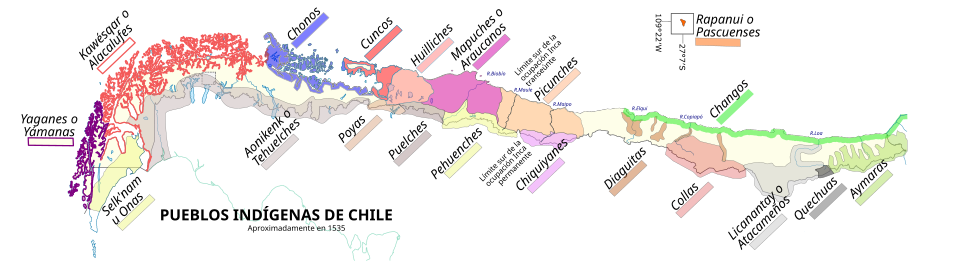
Before the arrival of Europeans, the Mapuche heartland stretched from the Itata River to Chiloé Island. Historian José Bengoa estimates that between the Itata River and Reloncaví Sound, the population ranged from 705,000 to 900,000 in the mid-sixteenth century.
The Mapuche were not a monolithic entity but a collection of ethnicities. The northern tribes, known as the Picunches, had successfully gained independence from Inca rule under the leadership of Michimalonco before the Spanish arrived.
The Arauco War: Centuries of Resistance
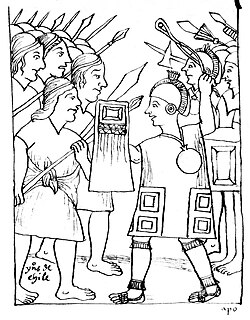
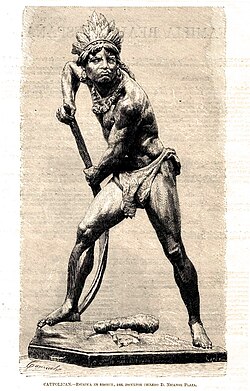
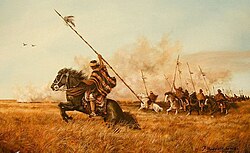
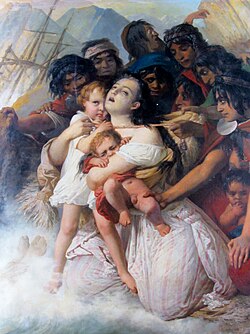
The Spanish conquest of Chile, an extension of the conquest of Peru, met immediate and violent resistance. In 1536, Diego de Almagro's forces were intercepted at the Battle of Reynogüelén by Mapuche warriors armed with bows and pikes. The ferocity of the resistance, combined with a lack of precious metals, led Almagro to retreat to Peru.
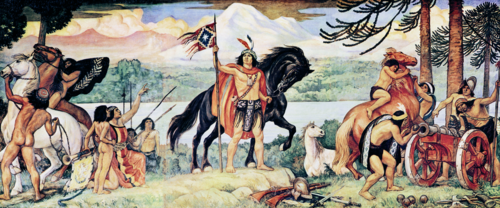
However, Pedro de Valdivia returned in 1541, founding Santiago. Between 1541 and 1545, Michimalonco led the Picunche resistance, most notably achieving the Destruction of Santiago. As the Spanish pushed further south, founding cities like Concepción and Valdivia, they entered the Arauco War—a sporadic conflict lasting nearly 350 years.
The Mapuche resistance was fueled by a refusal to submit to forced labor systems, such as the Inca mit'a, which they had no tradition of following.
Territorial Incorporation and Urban Migration
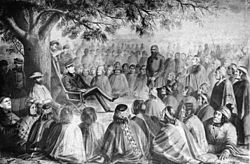
In the 19th century, the emerging states of Chile and Argentina sought territorial continuity and land for agriculture and livestock. This led to the systematic conquest of Mapuche territories between 1861 and 1879.
The 20th century brought a shift from rural ancestral lands to urban centers. This migration occurred in two primary waves: an economic migration from the 1920s to the 1960s, driven by industrial growth in cities like Santiago, and a political migration following the 1973 coup.
Cultural Heritage and Traditions
Mapuche culture is characterized by a profound relationship with nature and a sophisticated social structure.
Arts and Material Culture
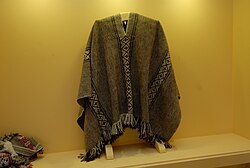
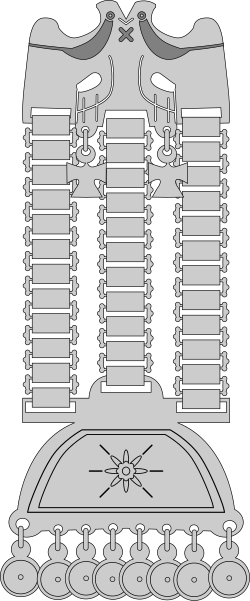
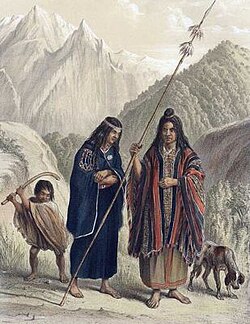
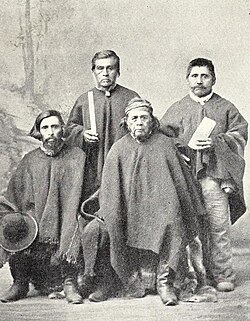
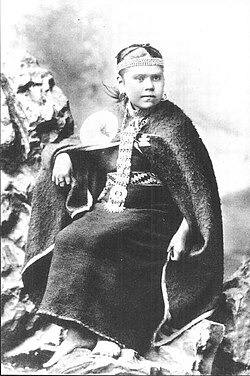
The Mapuche are celebrated for their silverwork, including the trapelacucha (a silver finery piece), and their intricate textiles, such as traditional ponchos. They also utilized the clava, a specialized hand-club used in combat and ritual.
Social and Spiritual Life
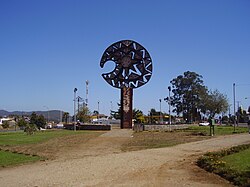
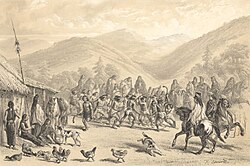
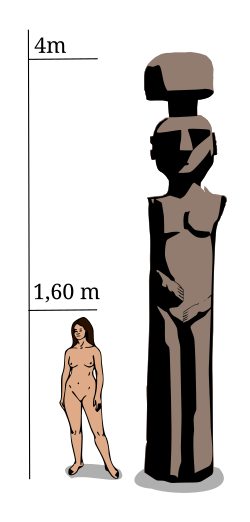
Traditional Mapuche life included the practice of chueca (a traditional sport) and the creation of chemamull, large funeral statues carved from wood to honor the deceased.
Modern Identity and Social Challenges
In the contemporary era, the Mapuche face ongoing struggles for land rights and cultural recognition. While some non-Indigenous Chileans hold prejudiced views—often rooted in scientific racism or outdated stereotypes—there is a growing movement toward university-educated and younger generations embracing Indigenous rights.
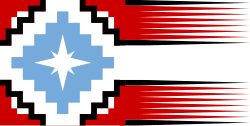
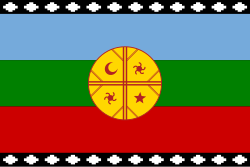
Modern political expression is often symbolized by the Wenufoye flag, created in 1992 by the "Consejo de Todas las Tierras," representing a renewed push for autonomy and identity.
| Category | Details |
|---|---|
| Estimated Population | ~1,768,856 |
| Core Ethnic Groups | Boroano, Cunco, Huilliche, Lafquenche, Moluche, Picunche, Promaucae |
| Araucanized Groups | Pehuenche, Puelche, Ranquel, Tehuelche |
| Primary Language | Mapudungun |
| Main Regions | Chile and Argentina |
Frequently Asked Questions
What does the word "Mapuche" mean?
The term comes from the words mapu (land) and che (people), meaning "people of the land."
How long did the Arauco War last?
The Arauco War was a sporadic conflict between the Mapuche and the Spanish that lasted nearly 350 years.
What is Mapudungun?
Mapudungun is the native language of the Mapuche people, spoken alongside Spanish in their contemporary territories.
Who were the Picunches?
The Picunches were northern Mapuche tribes who gained independence from the Inca Empire before leading the initial resistance against Spanish colonization in Chile.
What is a chemamull?
A chemamull is a traditional Mapuche funeral statue carved from wood, often standing significantly taller than a human being.