Arauco War: The Long Struggle Between the Spanish Empire and the Mapuche
The Arauco War was a protracted and bloody conflict during the Spanish colonization of the Americas, fought primarily in the Araucanía region of present-day Chile. Unlike many other conquests in the New World, the Spanish encounter with the Mapuche people resulted in a stalemate that lasted for centuries, earning Chile the nickname "the Indian Flanders" due to the relentless nature of the fighting.
The conflict began in the mid-16th century as Spanish forces pushed south into Mapuche territory. While the Spanish possessed superior weaponry and cavalry, the Mapuche demonstrated extraordinary resilience and tactical adaptability, eventually forcing the Spanish to abandon their southern settlements and establish a formal frontier.
Key Facts
- Duration: Roughly 1546 through the 17th century, with sporadic fighting continuing into the 18th century.
- Primary Belligerents: The Spanish Empire (Captaincy General of Chile and Viceroyalty of Peru) against various Mapuche groups, including the Moluches, Nagches, Lafquenches, Pehuenches, Huilliches, and Cuncos.
- Turning Point: The Battle of Curalaba (1598) led to the destruction of the "Seven Cities" and the reversal of the Spanish invasion of Araucanía.
- Human Cost: Estimated casualties include 29,000 Spanish military dead, 60,000 Indian and mestizo auxiliaries, and approximately 200,000 Mapuche dead.
- Outcome: A stabilized frontier characterized by diplomacy, trade, and a series of parliaments between Mapuche lonkos (leaders) and Spanish governors.
The Early Conquest and First Rebellions
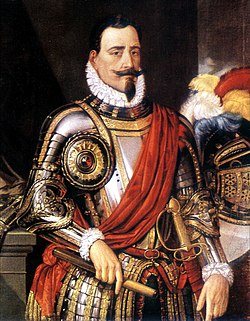
The conflict ignited during the campaigns of Pedro de Valdivia between 1540 and 1553. Valdivia established several key settlements, including Concepción, Imperial, and Valdivia, to secure Spanish control over the region. However, these incursions triggered the First Great Mapuche Rebellion in 1553.
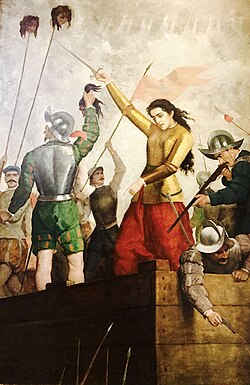
A pivotal figure in this era was Lautaro, a Mapuche leader who used his knowledge of Spanish tactics to lead a massive uprising. In 1555, Lautaro attacked Concepción with 4,000 warriors, nearly wiping out the Spanish presence there; only 38 Spaniards managed to escape by sea. This victory galvanized other Mapuche groups, such as the Promauces, to join the war against the Spanish in Santiago.
The Campaigns of Caupolicán and Mendoza
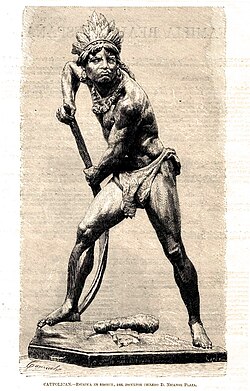
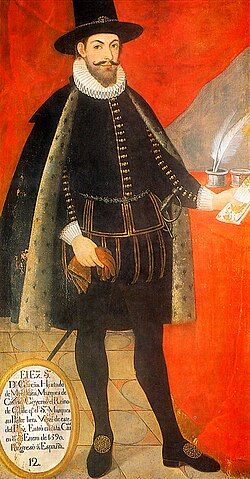
Following the early rebellions, García Hurtado de Mendoza was appointed interim governor in 1557. He arrived with a formidable force of 600 soldiers, 1,000 horses, and six pieces of artillery. Mendoza successfully pushed south, defeating Mapuche forces at the Battle of Lagunillas and capturing the fortress of Andalicán, which served as the gateway to Arauco.
The Cycle of Siege and Resistance
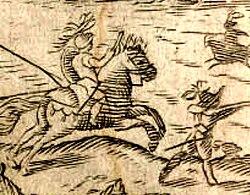
The late 16th century was marked by a cycle of Spanish attempts to pacify the region and Mapuche efforts to reclaim it. In 1563, the Mapuche besieged Arauco for 42 days, though they were eventually forced to retreat due to dysentery caused by contaminated water.
Under the leadership of caciques Millalelmu and Loble, the Mapuche launched a massive siege of Concepción in 1564 with 20,000 warriors. They sacked and burned the city, trapping the garrison under Pedro de Villagra. The siege only ended when Spanish ships arrived with food supplies and the Mapuche were forced to return home for the harvest season to avoid starvation.
Despite these setbacks, the Spanish continued to build pucaras (fortified settlements) and establish new cities. However, the strategy of evangelization and forced labor failed to subdue the Mapuche spirit of independence.
The Great Uprising and the Seven Cities
The tide turned decisively in 1598. Martín García Óñez de Loyola, appointed by Philip II to end the war, attempted to penetrate deep into Mapuche territory. However, he was surprised and killed by the leader Pelantaro during the Disaster of Curalaba.
This event sparked a massive uprising that forced the Spanish to abandon all seven of their cities south of the Bio-Bio River: Santa Cruz de Coya, Santa María la Blanca de Valdivia, San Andrés de Los Infantes, La Imperial, Santa María Magdalena de Villa Rica, San Mateo de Osorno, and San Felipe de Araucan.
Stabilization and Diplomacy
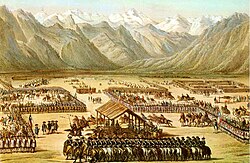
By the mid-17th century, both sides recognized the impossibility of a total military victory. The war evolved from large-scale campaigns into sporadic pillaging and a formal diplomatic relationship. The Spanish and Mapuche entered a period of parliaments—formal negotiations where boundaries were discussed and trade agreements were made.
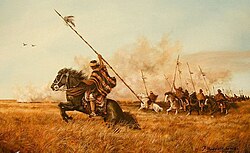
This stabilization created a unique frontier society where diplomacy and commerce often superseded open warfare, though tensions remained until the post-colonial period.
Summary of the Arauco War
| Category | Details |
|---|---|
| Timeframe | 1546 – late 18th century |
| Primary Region | Araucanía, Captaincy General of Chile |
| Spanish Forces | Conquest companies, Army of Arauco, and Indian auxiliaries (Yanaconas) |
| Mapuche Forces | Moluches, Nagches, Lafquenches, Pehuenches, Huilliches, and Cuncos |
| Key Turning Point | Battle of Curalaba (1598) |
| Final Result | Establishment of a frontier and diplomatic trade |
Frequently Asked Questions
Why was the Arauco War so long?
The war lasted for centuries because the Mapuche were highly adaptable and resilient, utilizing guerrilla tactics and strong leadership to counter Spanish cavalry and artillery, making a total Spanish conquest impossible.
What were the "Seven Cities"?
The Seven Cities were Spanish settlements established south of the Bio-Bio River in Mapuche territory. All were destroyed or abandoned between 1599 and 1604 following the Mapuche uprising of 1598.
Who was Lautaro?
Lautaro was a Mapuche military leader who had previously served the Spanish. He used his knowledge of Spanish military weaknesses to organize the Mapuche forces and lead successful campaigns, including the destruction of Concepción.
What was the significance of the Battle of Curalaba?
The Battle of Curalaba in 1598 resulted in the death of Governor Óñez de Loyola and triggered a general uprising that permanently reversed the Spanish invasion of the Araucanía region.
How did the war eventually end?
The war did not end with a single treaty but rather transitioned into a stabilized frontier. From the mid-17th century onward, the Spanish and Mapuche engaged in diplomacy through parliaments and established trade relations.