Qom People: History, Culture, and Struggle of the Gran Chaco
The Qom (also known as the Toba) are one of the most prominent Indigenous groups in Argentina. Historically inhabiting the Central Chaco region, they have maintained a resilient identity despite centuries of displacement and conflict. Today, the Qom community continues to advocate for land rights and cultural recognition across South America.
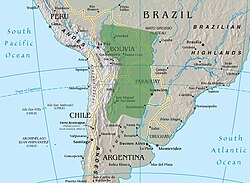
Historically, the Qom occupied vast territories in northern Argentina—specifically within the provinces of Salta, Chaco, Santiago del Estero, and Formosa—as well as parts of Bolivia. While their ancestral roots are tied to the rural landscapes of the Gran Chaco, persecution and land disputes have pushed many into urban centers, including Greater Buenos Aires and cities like Rosario and Santa Fe.
Key Facts
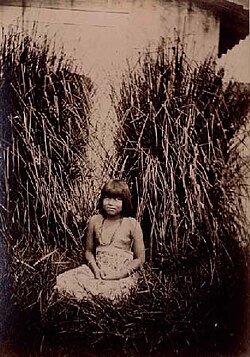
- Total Population: Approximately 129,110 people.
- Primary Locations: Argentina (126,967), Paraguay (2,057), and Bolivia (86).
- Language: Toba-Qom and Spanish.
- Ethnic Affiliation: Part of the Guaicurua linguistic group.
- Official Status: Toba-Qom is an official language of the Chaco province in Argentina.
Historical Journey
Early Contact and European Interaction
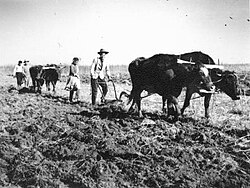
Written records of Spanish interaction with the Qom date back to the early 1700s. Unlike many other Indigenous groups in Latin America, the Qom were not immediately forced into agricultural lifestyles. Due to the challenging landscape of the Chaco, early Franciscan missionaries accepted the Qom's hunter-gatherer lifestyle as the only sustainable way of living.
The arrival of the Spanish introduced a pivotal cultural shift: the horse. By the 17th century, the Qom had integrated horses into their society, developing a powerful equestrian culture in the Chaco Gualamba region.
The Era of Reductions
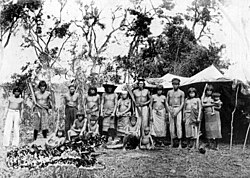
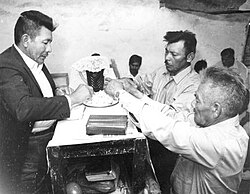
The Spanish established "reductions"—settlements designed to concentrate Indigenous populations. In 1756, the Jesuits founded San Ignacio de Ledesma in Jujuy. Later, in 1901, the Argentine government and Franciscan missionaries established two more reductions in Formosa: San Francisco Solano de Tacaaglé and San Francisco de Laishí. The latter featured a sugar factory that operated until 1946.
Conquest and Resistance
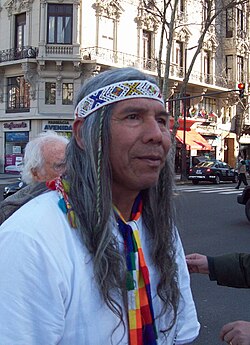
The late 19th and early 20th centuries were marked by the Conquest of the Gran Chaco, a campaign that decimated the Qom population. Under leaders like General Victorica, military forces suppressed Qom revolts, leading to further marginalization.
The most tragic event of this era was the Massacre of Napalpí on July 19, 1924. During the presidency of Marcelo T. de Alvear, police and landowners killed approximately 200 Qom and Mocoví people and injured over 700 others. In 2022, Argentina initiated a "truth trial" to address this historical persecution.
Modern Struggles and Land Rights
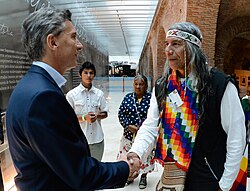
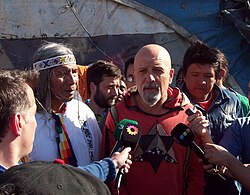
In recent decades, the Qom have transitioned from agrarian labor to active political advocacy. Led by figures such as Félix Díaz, the community has engaged in high-profile protests and roadblocks to demand ancestral land rights.
These struggles have not been without risk. In 2012, Félix Díaz was the victim of a hit-and-run accident involving a vehicle linked to influential families in Formosa, an event he claimed was a direct attack resulting from the Qom's land disputes.
Culture and Identity
The Qom identity is deeply tied to their language and community structures. As of 2007, there were roughly 40,000 native speakers of Toba-Qom. The language's importance was formally recognized in 2010 when the province of Chaco declared it an official language alongside Spanish, Wichi, and Moqoit.
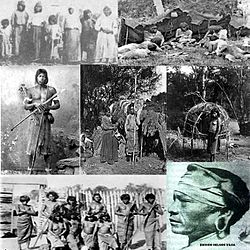
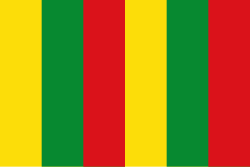
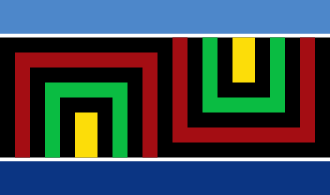
The community's presence is felt across various provinces, with numerous registered Indigenous communities in Buenos Aires, Chaco, Santa Fe, Salta, and Formosa, preserving their heritage through traditional clothing and communal organization.
Population Distribution Summary
| Country | Estimated Population | Primary Regions |
|---|---|---|
| Argentina | 126,967 | Chaco, Formosa, Buenos Aires, Santa Fe |
| Paraguay | 2,057 | Presidente Hayes, San Pedro |
| Bolivia | 86 | Bermejo and Pilcomayo rivers |
Frequently Asked Questions
Who are the Qom people?
The Qom, also known as the Toba, are an Indigenous group from the Gran Chaco region, primarily residing in Argentina, with smaller populations in Paraguay and Bolivia.
What is the significance of the Massacre of Napalpí?
Occurring in 1924, it was a violent crackdown by the Argentine state and landowners that killed 200 Qom and Mocoví people. It is a central point of historical trauma and recent legal truth trials in Argentina.
What language do the Qom speak?
They speak Toba-Qom, a language belonging to the Guaicurua family, as well as Spanish. Toba-Qom is an official language in Argentina's Chaco province.
Who is Félix Díaz?
Félix Díaz is a prominent Qom leader known for leading land rights protests and advocating for the recognition of Indigenous territories in Argentina.
Where do the Qom live today?
While their ancestral lands are in the Gran Chaco (northern Argentina, Paraguay, and Bolivia), many now live in urban areas, including Greater Buenos Aires, due to historical displacement.