Paraguay: A Comprehensive Overview of the Heart of South America
Located in the center of South America, the Republic of Paraguay is a landlocked nation known for its rich bilingual heritage and resilient history. From the bustling streets of its capital, Asunción, to the vast plains of the Gran Chaco, Paraguay blends indigenous traditions with colonial influences to create a unique cultural identity.
Key Facts
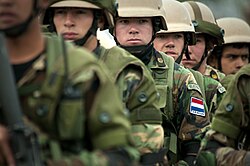
- Capital: Asunción
- Official Languages: Spanish and Guarani
- Government: Unitary presidential republic
- Currency: Guaraní (PYG)
- Total Area: 406,752 km²
- Estimated Population (2026): 6,460,159
- Major Infrastructure: Itaipu Dam (binational project with Brazil)
History and Political Evolution
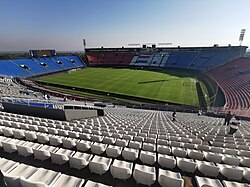
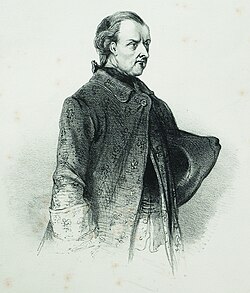
Paraguay's journey to statehood began with its declaration of independence from Spain on May 14, 1811, which was formally recognized in 1842. The early years of the republic were marked by the strong-handed leadership of José Gaspar Rodríguez de Francia, the nation's first dictator.
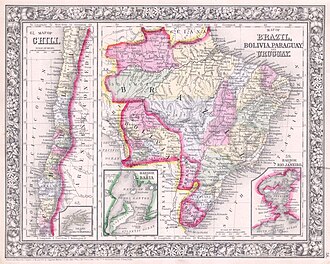
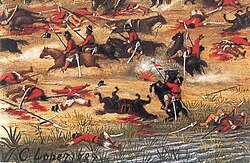
Following Francia, the López family rose to power. This era culminated in the devastating Paraguayan War (1864–1870), also known as the War of the Triple Alliance, which significantly impacted the nation's population and territory.
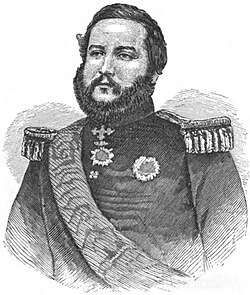
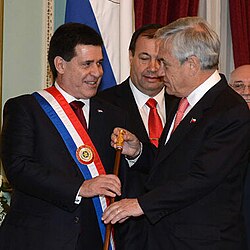
The 20th century brought further volatility, most notably the era of Alfredo Stroessner, who ruled from 1954 to 1989. Since his overthrow, Paraguay has transitioned toward a more democratic system, seeing the election of figures such as Fernando Lugo and, more recently, President Santiago Peña.
Geography and Climate
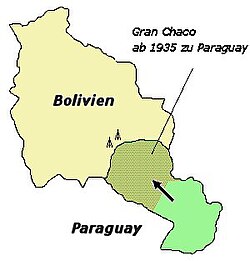
Paraguay is divided into two distinct geographical regions. The eastern region, known as the Paraneña, is characterized by fertile land and higher population density. In contrast, the western region, the Gran Chaco, is a vast, semi-arid plain that has historically been a site of territorial disputes, including the Chaco War (1932–35) against Bolivia.
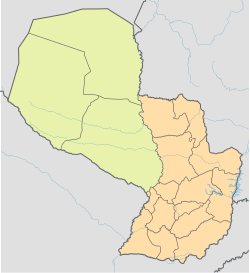
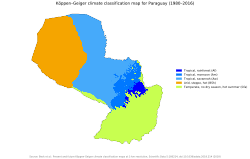
The climate varies across the country, as detailed in the Köppen climate classification, supporting a diverse range of fauna and flora.
Economy and Infrastructure
Paraguay's economy is heavily rooted in agriculture and energy. One of its most significant assets is the Itaipu Dam, a massive binational hydroelectric project operated jointly with Brazil, which provides a substantial portion of the country's energy.

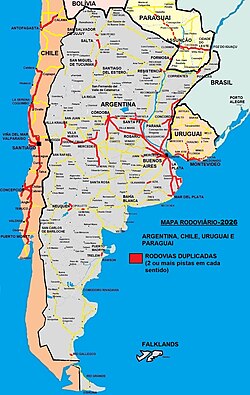
Transportation relies on a network of roads and river ports, facilitating the export of agricultural goods. While the road system is developing, divided highways remain limited to specific corridors.
Demographics and Culture
Paraguay is unique in the Americas for its widespread use of Guarani, an indigenous language that is an official language alongside Spanish. This bilingualism is a cornerstone of Paraguayan national identity.
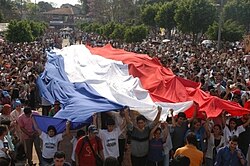
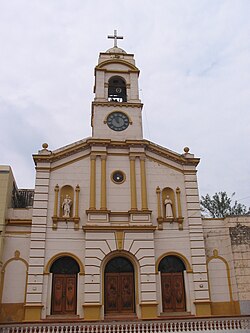
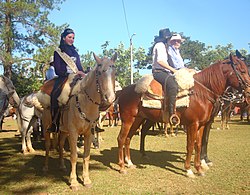
The population is predominantly Christian, with Catholicism being the most practiced faith. Religious gatherings, such as those in Caacupé, and local festivals like the Ovecha Ragué, highlight the country's spiritual and cultural vibrancy.
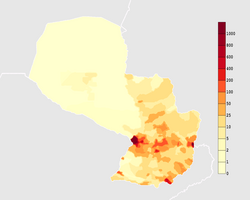
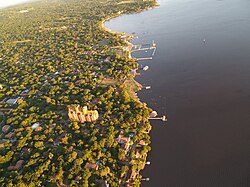
Urban life is centered around Asunción and other major hubs like Ciudad del Este. Some towns, such as San Bernardino, founded by German settlers, are noted for having higher purchasing power parities.
National Summary Table
| Category | Detail |
|---|---|
| GDP (PPP) 2026 Est. | $150.842 billion |
| GDP (Nominal) 2026 Est. | $60.542 billion |
| HDI (2023) | 0.756 (High) |
| Gini Index (2023) | 44.4 (Medium inequality) |
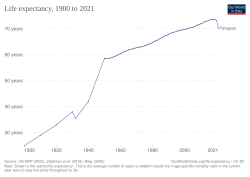
| Life Expectancy | Increasing trend |
Administrative Divisions
Paraguay is organized into departments. The Central department is the most populous, while Alto Paraguay and Boquerón cover the largest land areas.
Frequently Asked Questions
What are the official languages of Paraguay?
Paraguay has two official languages: Spanish and Guarani. It is one of the few countries in the Americas where an indigenous language is spoken by a vast majority of the population.
What is the significance of the Itaipu Dam?
The Itaipu Dam is a binational hydroelectric project run by Brazil and Paraguay. It is one of the largest power plants in the world and a critical source of energy for both nations.
Who is the current President of Paraguay?
As of the current records, the President of Paraguay is Santiago Peña, supported by Vice President Pedro Alliana.
What was the Paraguayan War?
The Paraguayan War (1864–1870), or the War of the Triple Alliance, was a conflict where Paraguay fought against an alliance of Brazil, Argentina, and Uruguay, resulting in massive loss of life and territory.
Which is the largest city in Paraguay?
Asunción is the capital and the largest city in the country, serving as the primary political and economic hub.