Malacology: The Scientific Study of Mollusks
Derived from the Ancient Greek words malakós (meaning "soft") and lógos (meaning "study"), malacology is the specialized branch of invertebrate zoology dedicated to the study of the phylum Mollusca. Mollusks represent the second-largest phylum of animals in terms of described species, surpassed only by arthropods. This diverse group encompasses well-known creatures such as snails, slugs, clams, and cephalopods, many of which are characterized by the presence of a shell.
Key Facts
- Scope: Covers the study of all mollusks, including taxonomy, ecology, and evolution.
- Specializations: Includes conchology (shells), limacology (gastropods), and teuthology (cephalopods).
- Applied Use: Used in medicine and agriculture to study disease vectors like schistosomiasis.
- Scale: Supported by over 150 journals across more than 30 countries.
Branches of Malacological Research
Malacology is a broad field with several distinct subdivisions based on the specific focus of the research. While general malacologists study the biology of the animals, other specialists focus on specific anatomical or taxonomic groups.
Specialized Sub-disciplines
- Conchology: The study of mollusk shells.
- Limacology: The study of gastropods (such as snails and slugs).
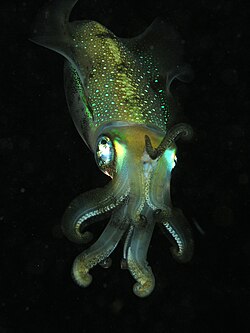
- Teuthology: The study of cephalopods, including octopus, squid, and cuttlefish.
Beyond basic biology, applied malacology explores the intersection of mollusks and human health. This includes veterinary and agricultural research, specifically investigating how certain mollusks act as vectors for diseases such as schistosomiasis.
History and Evolution of the Field
The observation of mollusks dates back to antiquity. Aristotle, in his Historia animalium, categorized these animals into two groups: testaceans (Ostracoderma) and mollusks (Malakia). By 1758, Carl Linnaeus placed them within the class Vermes, though taxonomy at the time relied heavily on shells because internal anatomy was difficult to examine with the available specimens.
A significant shift occurred in 1795 when French naturalist Georges Cuvier identified shelled and non-shelled mollusks as a single distinct group. He based this on internal characteristics—such as white blood, the presence of a heart, gills, and liver, as well as oviparous reproduction—and external features like the mantle and tentacles.
The formal term "malacology" was introduced in the early 19th century, coined by Constantine Samuel Rafinesque-Schmaltz in 1814 and likely independently by Ducrotay de Blainville in 1825.
Professional Infrastructure and Resources
Modern malacology relies on a global network of societies, academic journals, and museums to document and archive species. Researchers utilize a combination of field methods and laboratory techniques, including molecular analysis.
Global Institutions
Numerous professional bodies support the field, including the American Malacological Society, the Malacological Society of London, and the Malacological Society of Australasia, among many others across Europe, Asia, and the Americas.

Academic and Curatorial Support
The field is supported by a vast body of literature, with over 150 journals publishing scientific articles. Notable publications include The Nautilus, The Veliger, and the Journal of Molluscan Studies. Furthermore, major museums house critical collections; for example, the Royal Belgian Institute of Natural Sciences in Brussels maintains a collection of over 9 million shells.
| Term | Focus of Study | Example Subjects |
|---|---|---|
| Malacology | General study of Mollusca | All mollusks |
| Conchology | Mollusk shells | Shell morphology and classification |
| Limacology | Gastropods | Snails and slugs |
| Teuthology | Cephalopods | Octopus, squid, cuttlefish |
Frequently Asked Questions
What is the difference between a malacologist and a conchologist?
A malacologist studies the entire biology of mollusks, whereas a conchologist focuses primarily or exclusively on the shells of these animals.
Which animals are studied in malacology?
Malacology focuses on the phylum Mollusca, which includes snails, slugs, clams, octopuses, squids, and cuttlefish.
How is malacology applied in medicine?
Applied malacology studies mollusks as vectors for various diseases, most notably schistosomiasis, to help develop medical and veterinary interventions.
Who first defined mollusks by their internal anatomy?
Georges Cuvier described mollusks as a distinct group in 1795 based on internal characteristics such as their heart, gills, liver, and white blood.
What are the most common research methods used in the field?
Researchers use zoological methods including field collection, documentation, archiving, and modern molecular techniques.