Macau: A Blend of Portuguese Heritage and Modern Prosperity
Macau, officially the Macao Special Administrative Region (SAR) of the People's Republic of China, is a unique territory where East meets West. Known for its striking fusion of Chinese and Portuguese cultures, this small but densely populated region has evolved from a strategic trading post into one of the world's most affluent territories per capita.
The name Macau is derived from the Chinese 澳門, which literally means "Bay Gate." Today, it stands as a testament to a complex colonial history and a modern economic powerhouse.
Key Facts
- Official Status: Special Administrative Region of China.
- Official Languages: Chinese and Portuguese.
- Population Density: Ranked 1st globally, with approximately 20,300 people per square kilometer.
- Economic Strength: One of the highest GDP per capita rates in the world.
- Handover: Returned to Chinese sovereignty on December 20, 1999.
History and Governance
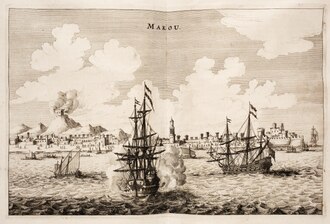
Macau's history is defined by its relationship with Portugal. The Portuguese lease began in 1557, and the relationship was later formalized through the Treaty of Peking in 1887. This long period of Portuguese administration left an indelible mark on the city's architecture, law, and language.
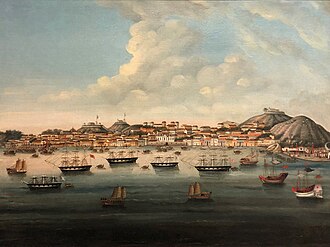
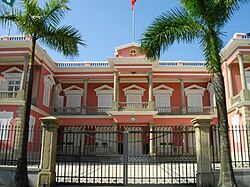
The transition back to China was managed via the Sino-Portuguese Joint Declaration signed on March 26, 1987, leading to the official handover in 1999. Under the "One Country, Two Systems" model, Macau maintains a devolved executive-led government. The administration is headed by the Chief Executive, currently Sam Hou Fai.
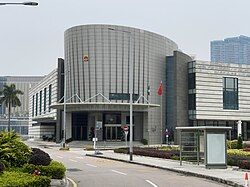
The legislative branch is represented by the Assembleia Legislativa, while national representation is maintained through deputies in the National People's Congress and delegates in the Chinese People's Political Consultative Conference.
Geography and Administrative Structure
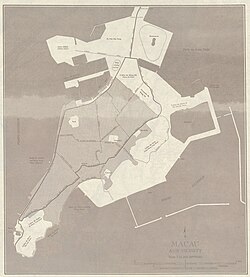
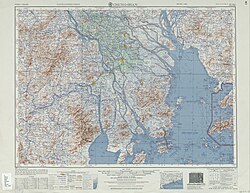
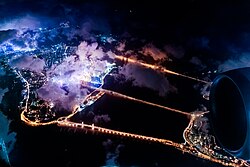
Macau is a compact territory covering a total area of 119.3 km², though only 32.9 km² is land. The region is characterized by its high water percentage (71.25%) and significant land reclamation projects, such as the Cotai strip.
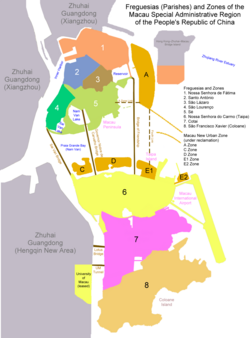
The territory is divided into several parishes and special zones. The largest parish by population is Nossa Senhora de Fátima. Other key areas include the Macau Peninsula, Taipa, and Coloane, with the highest elevation reaching 172.4 meters at Alto de Coloane.
Demographics and Culture
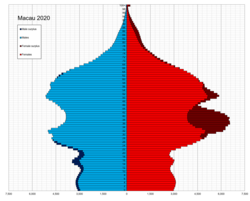
The population of Macau is predominantly Chinese (88.4%), with significant minority groups including Filipinos, Vietnamese, and Portuguese. This diversity is reflected in the region's linguistic landscape, where Cantonese is the primary regional language alongside Macanese Portuguese.
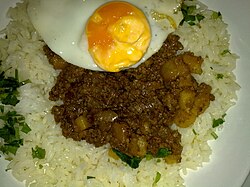
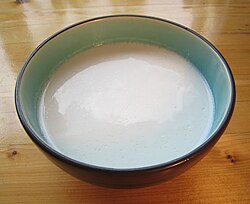
Religion is predominantly Buddhist, including Chinese folk religion (80%), followed by Christianity (6.7%). The cultural identity of Macau is further enriched by its unique cuisine, which blends Portuguese and Chinese influences, featuring dishes like Minchee and the use of coconut milk.
Economy, Infrastructure, and Education
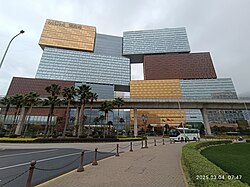
Macau is globally recognized for its gaming and tourism industry. With a nominal GDP per capita of $72,910 (2024 estimate), it ranks among the wealthiest regions globally. The skyline is dominated by massive luxury resorts and casinos, such as the MGM Hotel Macau.
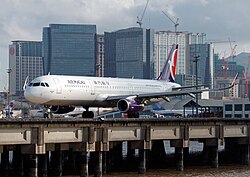
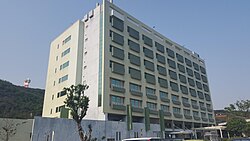
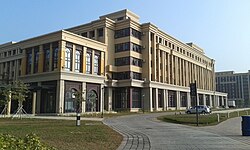
Transport is highly efficient, featuring the Macau International Airport and a network of roads where vehicles drive on the left. Education and healthcare are well-developed, with institutions like the University of Macau (located on leased land in Hengqin) and the Macau University of Science and Technology Hospital providing high-quality services.
Tourism and Landmarks
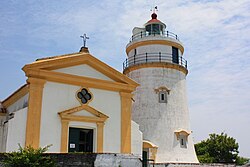
Visitors to Macau often explore the historic center, where Portuguese colonial architecture meets traditional Chinese temples. Notable landmarks include the Guia Fortress, which houses the Capela de Nossa Senhora da Guia and the Guia Lighthouse.
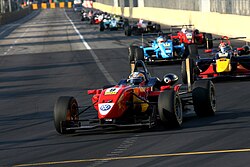
Beyond history, Macau is a hub for international sports, most notably the Macau Grand Prix, a prestigious event that attracts Formula Three racers from around the world.
Regional Overview
The following table summarizes the key statistical and administrative data for the Macao SAR.
| Category | Detail |
|---|---|
| Total Land Area | 32.9 km² |
| Estimated Population | 712,651 |
| Nominal GDP Per Capita | $72,910 |
| Human Development Index (HDI) | 0.934 (Very High) |
| Official Currency | Macanese pataca (MOP) |
| Official Languages | Chinese, Portuguese |
Frequently Asked Questions
What is the official status of Macau?
Macau is a Special Administrative Region (SAR) of the People's Republic of China, meaning it enjoys a high degree of autonomy under the "One Country, Two Systems" principle.
When did Macau return to Chinese sovereignty?
The handover of Macau from Portuguese administration to the People's Republic of China took place on December 20, 1999.
What are the official languages spoken in Macau?
The official languages are Chinese and Portuguese, although Cantonese is the most widely spoken regional language.
Why is Macau's population density so high?
Macau has a very small land area (32.9 km²) relative to its population, making it one of the most densely populated places in the world.
What drives the economy of Macau?
The economy is heavily driven by the tourism and gaming industries, supported by a high volume of international visitors and luxury casino resorts.