Hong KongSpecial Administrative RegionHK SARHong Kong economyHong Kong geography

Hong Kong: A Global Hub of Finance, Culture, and History

Hong Kong: A Global Hub of Finance, Culture, and History Known as the "Fragrant Harbour," Hong Kong is a vibrant Special Administrative Region (SAR) of the People's Republic of China. It ...

Hong Kong: A Global Hub of Finance, Culture, and History

Known as the "Fragrant Harbour," Hong Kong is a vibrant Special Administrative Region (SAR) of the People's Republic of China. It is a city where towering skyscrapers meet rugged mountains and deep-water harbors, serving as one of the world's most significant financial centers and a crossroads of Eastern and Western influence.

The region's unique identity is shaped by its history as a British possession and its current status as a devolved executive-led government within a unitary state. Today, it remains a global leader in trade, logistics, and finance, characterized by an incredibly high population density and a diverse, cosmopolitan society.
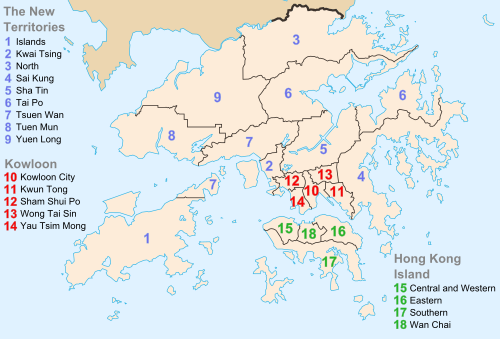
The main territory of Hong Kong consists of a peninsula bordered to the north by Guangdong province, an island to the south east of the peninsula, and a smaller island to the south. These areas are surrounded by numerous much smaller islands.

Key Facts

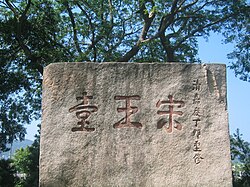
Sung Wong Toi
Sung Wong Toi
  • Official Name: Hong Kong Special Administrative Region of the People's Republic of China.
  • Administrative Centre: Tamar.
  • Population: Approximately 7.49 million (2023 estimate).
  • Official Languages: Chinese and English.
  • Currency: Hong Kong dollar (HK$).
  • HDI Rank: 8th globally (2023), categorized as very high.
  • Geography: Comprises a peninsula, two main islands, and numerous smaller islands.

History and Political Evolution
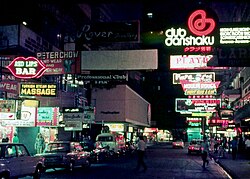
Peking Road in Tsim Sha Tsui in 1971

Hong Kong's modern history is defined by its transition from a British colony to a Chinese SAR. The British presence began on January 26, 1841, following the Treaty of Nanking. Over the following decades, the territory expanded through the Convention of Peking (1842) and the New Territories lease (1898).
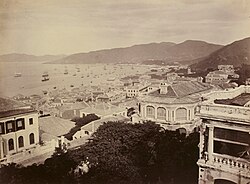
Hong Kong in 1868, photograph by John Thomson

The region experienced a period of Imperial Japanese occupation from December 25, 1941, to August 30, 1945. Following the Sino-British Joint Declaration in 1984, the territory was handed over to China on July 1, 1997.
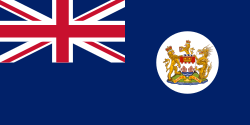
The flag of British Hong Kong from 1959 to 1997

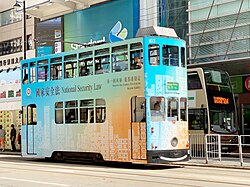
In recent years, the political landscape has evolved significantly. Following the 2019 protests, the region has seen the implementation of the National Security Law, reflecting a shift in the sociopolitical environment.
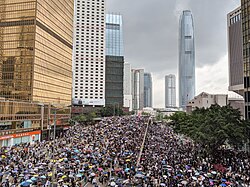
Hong Kong protests, August 2019

Geography and Climate

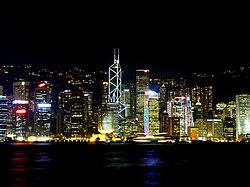
Victoria Harbour and Hong Kong Island, 2007

The territory covers a total area of 2,754.97 km², with water making up nearly 60% of this space. The landscape is varied, ranging from the urban density of the city center to the natural wonders of the Hong Kong UNESCO Global Geopark, which features unique geological formations like twisted columnar jointing.
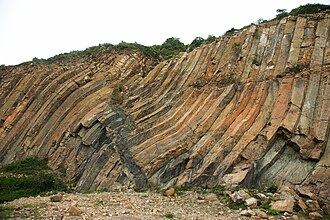
Twisted columnar jointing near the High Island Reservoir East Dam

Hong Kong experiences a monsoon-influenced humid subtropical climate. This results in hot, humid summers and mild winters. The region is prone to significant rainfall, averaging 2,431.2 mm annually, with the heaviest precipitation occurring between May and September.
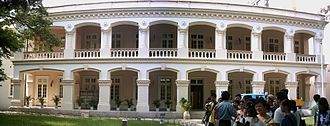
Hong Kong Observatory Headquarters

Economy and Infrastructure

A tram with slogans promoting the National Security Law printed on it

Hong Kong is a powerhouse of global trade. It operates one of the world's busiest container ports and maintains a sophisticated financial sector, evidenced by the presence of the Hong Kong Stock Exchange.
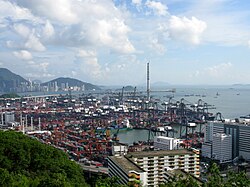
Hong Kong is one of the world's busiest container ports.

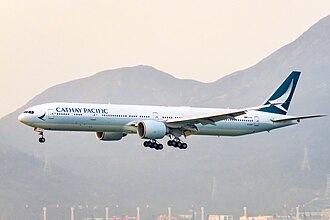
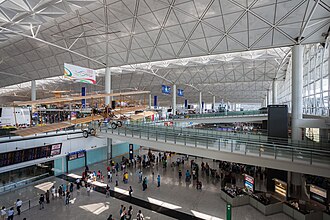
The city's infrastructure is world-class, featuring a highly efficient transport network. This includes the MTR (Mass Transit Railway), an extensive bus and tram system, and the Hong Kong International Airport, served by the flagcarrier Cathay Pacific.
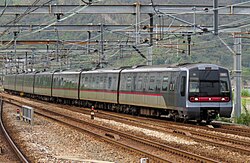
Light-rail train on a straightaway
MTR train on the Tung Chung line

Hong Kong International Airport

Demographics and Society

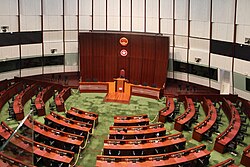
Large, round room with desks and a dais
Since 2012, the legislature has met in the Tamar Legislative Council Complex.

The population is predominantly Chinese (91.6%), with significant minority communities from the Philippines, Indonesia, and other nations. The society is characterized by its high density, ranking 4th globally, and a high standard of living.
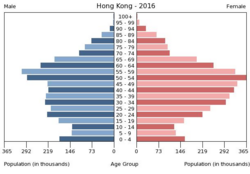
Population graph
2016 population pyramid

Education and healthcare are pillars of the region. From the historic St. Paul's College to the University of Hong Kong, the city hosts a wide array of prestigious institutions. In healthcare, the Hong Kong Sanatorium and Hospital stands as one of the tallest hospitals in the world.
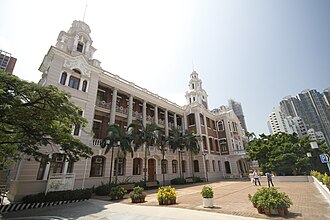
University of Hong Kong main building

Culture and Leisure

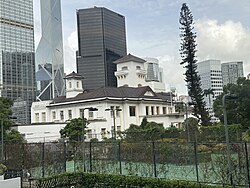
Hong Kong Government House

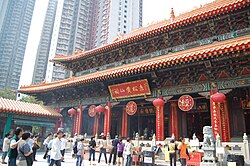
Hong Kong's culture is a blend of traditional Chinese values and colonial influences. This is visible in its architecture, from the historic Tai Kwun to the modern HSBC Building, and its spiritual sites like the Wong Tai Sin Temple.
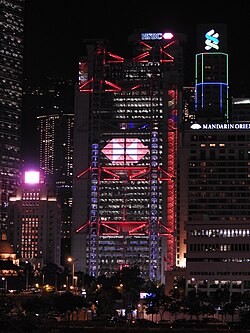
HSBC Building
HSBC Building

Wong Tai Sin Temple is dedicated to the Taoist deity Wong Tai Sin.

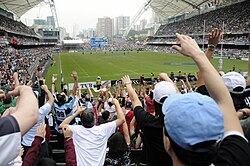
The city is also a global hub for entertainment and sports. It is famous for its film industry—celebrated by the statue of Bruce Lee on the Avenue of Stars—and premier sporting events such as the Hong Kong Sevens rugby tournament and horse racing at the Happy Valley Racecourse.
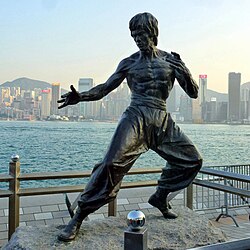
Statue of Bruce Lee in a fighting pose
Statue of Bruce Lee on the Avenue of Stars, a tribute to the city's film industry

Cheering rugby fans, seen from the stands
The Hong Kong Sevens, considered the premier tournament of the World Rugby Sevens Series

Summary of Regional Data

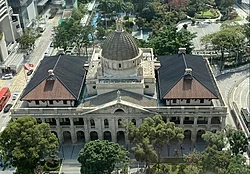
The grey dome and front gable of a granite neo-classical building, with a skyscraper in the background against a clear blue sky
The Court of Final Appeal Building formerly housed the Supreme Court and the Legislative Council.
Hong Kong Regional Overview
Category Detail
Total Area 2,754.97 km²
Population (2023 Est.) 7,498,100
GDP Per Capita (Nominal 2026 Est.) $59,640
Highest Point Tai Mo Shan (957 m)
Official Scripts Traditional Chinese, English alphabet

Frequently Asked Questions
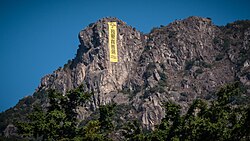
A yellow vertical protest banner which read "We demand real universal suffrage" was hung on Lion Rock during the 2014 Hong Kong protests.
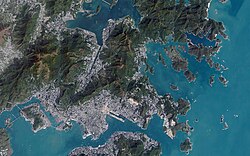
Satellite image showing areas of vegetation and conurbation.
Areas of urban development and vegetation are visible in this satellite image.
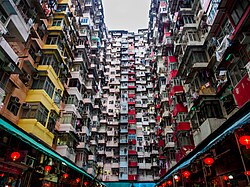
Monster Building, a famous group of residential buildings in Quarry Bay
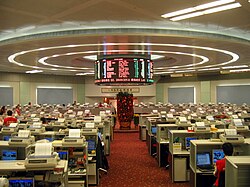
Large, empty room, with many desks and computer terminals
Former trading floor of the Hong Kong Stock Exchange
Tunnel entrance at night, with heavy traffic
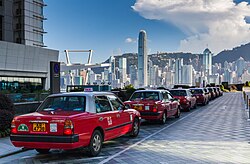
Hong Kong taxis
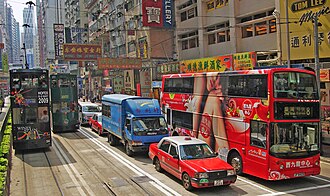
Hong Kong buses and trams
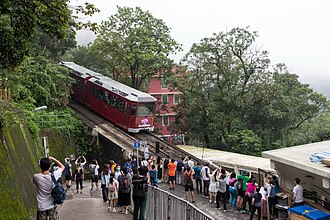
Hong Kong Peak Tram
Hong Kong Peak Tram
Cathay Pacific, Hong Kong's Flagcarrier
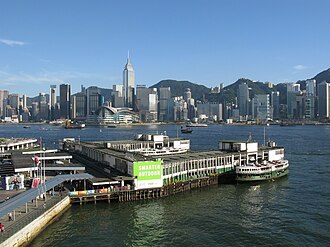
Tsim Sha Tsui Ferry Pier
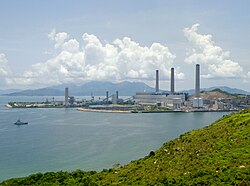
Lamma Power Station, a coal power plant on Lamma Island owned by Hongkong Electric
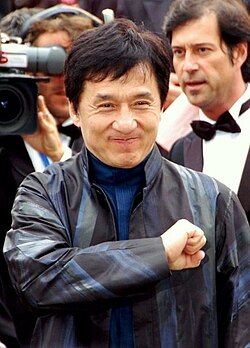
Jackie Chan
Jackie Chan
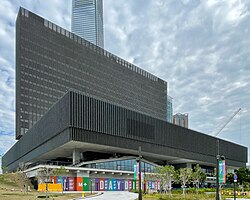
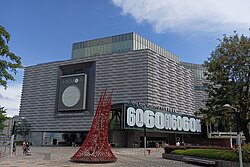
M+
M+
Hong Kong Museum of Art
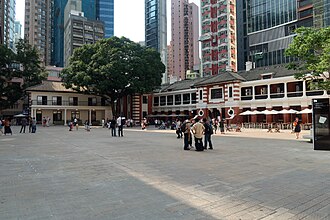
Tai Kwun
Tai Kwun
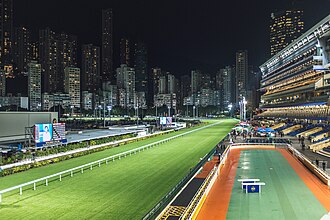
Happy Valley Racecourse and Hong Kong Jockey Club
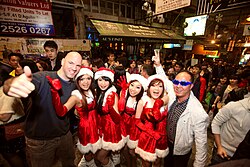
Lan Kwai Fong
Lan Kwai Fong
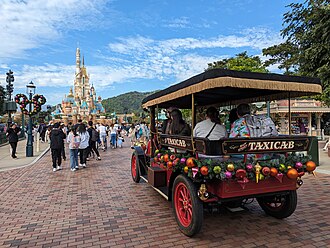
Hong Kong Disneyland
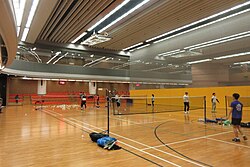
Tiu Keng Leng Sports Centre Badminton courts
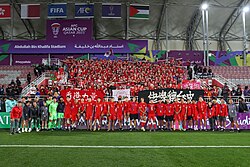
Hong Kong National Football Team
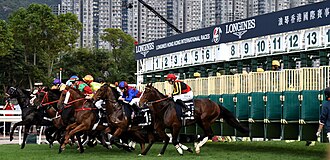
Longines Hong Kong International Races
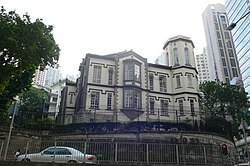
Former campus of St. Paul's College, the first school established in the colonial era
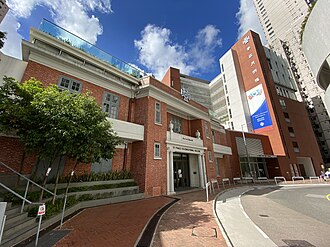
St. Paul's Co-educational College
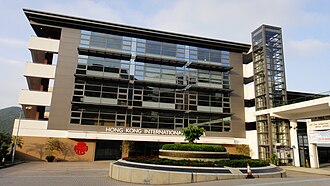
Hong Kong International School
Harrow International School Hong Kong
University of Chicago Hong Kong
Hong Kong Academy for Performing Arts
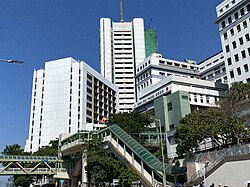
Hong Kong Sanatorium and Hospital (7th Tallest Hospital in the world)
Queen Mary Hospital
Queen Mary Hospital
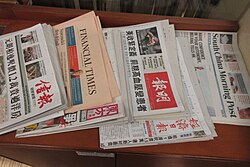
Hong Kong Newspapers
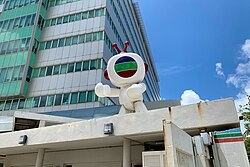
Modern, green-and-white building with dish antennas on top
TVB City, headquarters of Hong Kong's first over-the-air television station

What does the name "Hong Kong" mean?

The name "Hong Kong" literally translates to "Fragrant Harbour" in Chinese.

When was Hong Kong handed over to China?

Hong Kong was handed over from British administration to the People's Republic of China on July 1, 1997.

What are the official languages of Hong Kong?

The official languages are Chinese and English, though Cantonese is the primary indigenous language spoken by the majority of the population.

How is the government of Hong Kong structured?

Hong Kong has a devolved executive-led government within a unitary state, headed by a Chief Executive.

What is the climate like in Hong Kong?

It has a monsoon-influenced humid subtropical climate, characterized by high humidity and significant rainfall, particularly during the summer months.