Louisiana Creoles: A History of Culture, Race, and Identity
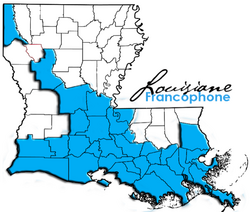
The Louisiana Creoles represent a complex and vibrant ethnic blend born from the intersection of European, African, and Native American influences. Unlike a single monolithic group, the Creole identity in Louisiana is a tapestry of linguistic, racial, and cultural threads woven over centuries of colonial shifts between France, Spain, and the United States.
From the early days of New France to the modern resurgence of Francophone identity, the story of the Louisiana Creoles is one of resilience, adaptation, and a persistent struggle against binary racial classifications.
Key Facts
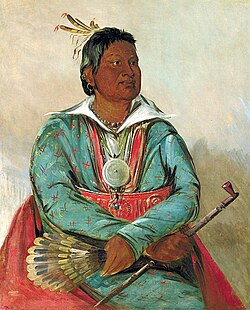
- Diverse Origins: Formed from French, Spanish, African (notably Ambundu, Kongo, and Bambara), and Native American ancestries.
- Linguistic Heritage: Historically associated with Louisiana French and Louisiana Creole.
- Religious Foundation: Predominantly Roman Catholic.
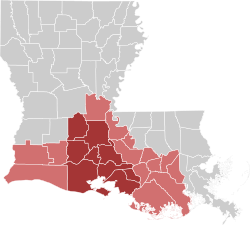
- Geographic Reach: While centered in Louisiana, significant populations exist in Mississippi, Texas, California, and Mexico (Veracruz).
- Cultural Impact: Deeply influenced the music, cuisine, and architecture of the Gulf South.
Colonial Foundations and the First French Period
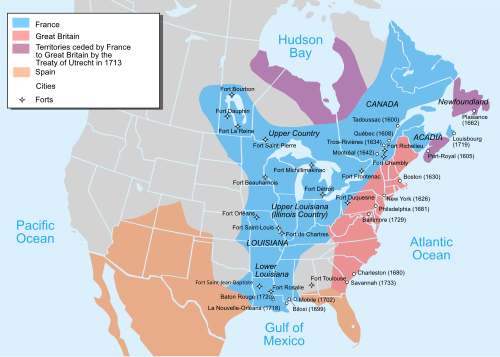
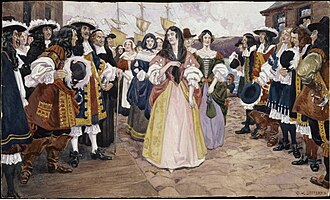
The origins of the Creole population began with the establishment of New France. Early colonization efforts included the arrival of indentured servants and the Pelican girls (known in New France as Filles du Roi), women sent to the colony to serve as wives for settlers.
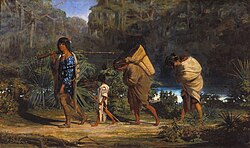
The population grew through interactions with Native American tribes and the forced migration of enslaved Africans. Ancestry from West Africa, particularly the Bambara people, and Central Africa, including the Ambundu and Kongo kingdoms, provided the foundational African elements of Creole culture.
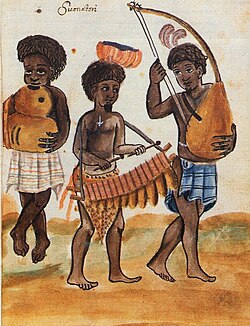
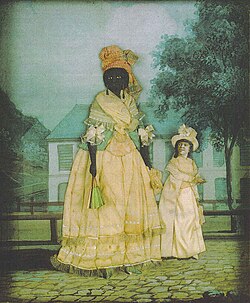
During this era, the Code Noir (Black Code) governed the lives of enslaved people and Affranchis (free people of color), establishing a rigid but complex social hierarchy that allowed for a distinct class of free mixed-race individuals to emerge.
The Spanish Period and the Treaty of Fontainebleau
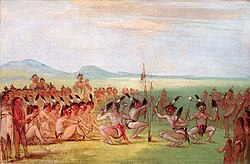
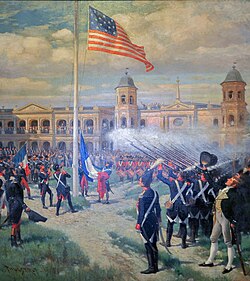
In 1762, the secret Treaty of Fontainebleau saw France cede Louisiana to Spain. Although Spain did not occupy the territory until 1769, their administration brought significant changes. Spain abolished Native American slavery and implemented more liberal manumission policies, which accelerated the growth of the free people of color, especially in New Orleans.
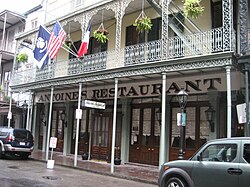
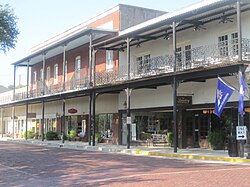
Interestingly, while the Spanish governed, the architecture of the Vieux Carré (French Quarter) remained largely French in design, as Spanish architects were rarely present. This period also saw the arrival of Isleños—Spanish settlers from the Canary Islands—between 1778 and 1783.
The Second French Period and the Saint-Domingue Influence
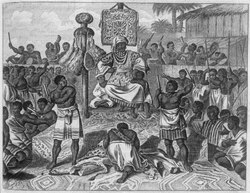
Napoleon Bonaparte briefly reacquired Louisiana from Spain via the Treaty of San Ildefonso in 1800, shortly before the Louisiana Purchase. However, one of the most transformative events for the region occurred in 1809, when over 10,000 refugees fled the colony of Saint-Domingue (modern-day Haiti) for New Orleans.
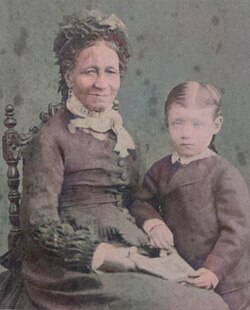
These refugees—comprising whites, free people of color, and enslaved people in nearly equal numbers—nearly doubled the population of New Orleans. This influx renewed the city's Francophone character and increased the Black population to 63%, sparking both cultural enrichment and racial tension with the growing Anglo-American population.
Civil War and the Struggle for Identity
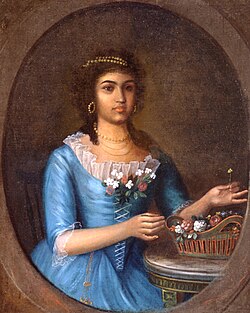
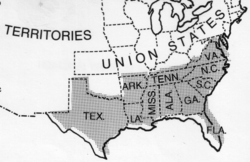
During the American Civil War, Louisiana Creoles found themselves caught between the Federal Union and the Southern States. Following the war, the 1873 Louisiana Unification Movement attempted to bridge social divides, but these efforts were undermined by the rise of federally imposed segregation in 1896.
The 20th century brought a period of social disintegration as the U.S. government attempted to impose a binary racial classification (Black or White). In 1938, the Louisiana Supreme Court ruled in Sunseri v. Cassagne that any traceable African ancestry defined a person as "colored." This was further enforced by officials like Naomi Drake, who unilaterally reclassified mixed-race individuals as Black in vital records.
Cultural Legacy and Modern Resurgence
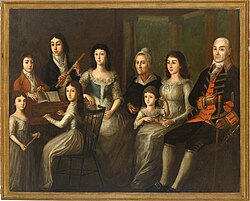
Despite systemic pressures, Creole culture remains a cornerstone of Louisiana's identity. This is most evident in the region's world-renowned cuisine and music.
Cuisine and Language
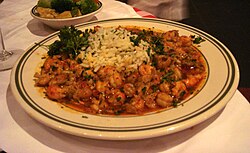
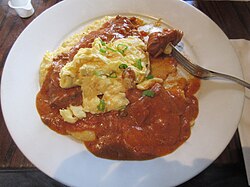
Creole cuisine is a sophisticated blend of French, Spanish, and African influences, featuring iconic dishes such as crawfish étouffée and grillades.
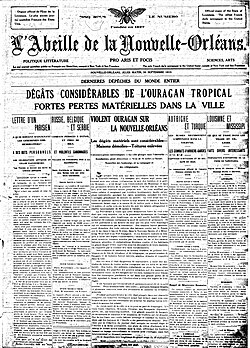
While Louisiana French and Louisiana Creole were suppressed for decades, a resurgence began in the late 2010s. This linguistic revival is part of a broader movement to reclaim a non-binary identity that transcends the simple Cajun-Creole divide.
Music and Arts
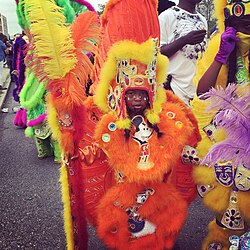
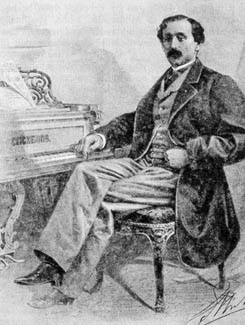
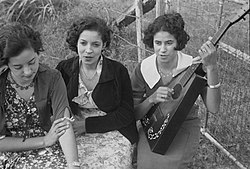
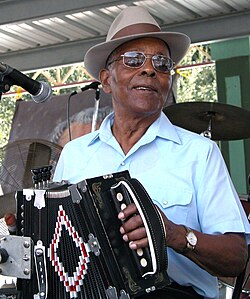
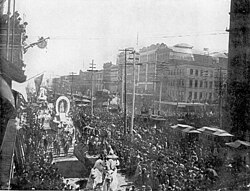
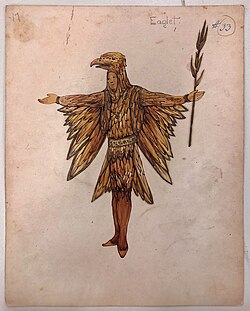
From the classical compositions of Louis Moreau Gottschalk to the rhythmic energy of Zydeco, Creole music has influenced global sounds. The tradition of the Mardi Gras Indians further showcases the blending of African and Native American cultural expressions.
The diaspora of Creoles also extended beyond Louisiana. Many migrated to Texas, establishing "Frenchtown" in Houston, and others moved to Veracruz, Mexico, carrying their language and traditions with them.
| Influence Source | Key Contributions | Notable Examples |
|---|---|---|
| French | Language, Law, Architecture | Vieux Carré, Louisiana French |
| Spanish | Manumission policies, Isleño migration | Canary Islander settlers |
| African | Music, Cuisine, Spirituals | Zydeco, Gumbo, Bambara/Kongo roots |
| Native American | Local knowledge, Cultural blending | Choctaw interactions |
Frequently Asked Questions

What is the difference between Cajun and Creole?
While often grouped together, Cajuns are primarily descendants of Acadian exiles from Canada, whereas Creoles have a more diverse ancestral mix including French, Spanish, African, and Native American roots, often centered in urban areas like New Orleans.
What were the Pelican girls?
Pelican girls were the Louisiana equivalent of the Filles du Roi—young women sent from France to the colony to marry settlers and help establish permanent communities.
How did the Saint-Domingue refugees change New Orleans?
The arrival of over 10,000 refugees in 1809 nearly doubled the city's population, reinforced the use of the French language, and significantly increased the population of free people of color.
What is the significance of the Code Noir?
The Code Noir was a legal framework that regulated the lives of enslaved people and free people of color, defining their rights, obligations, and the conditions under which they could be manumitted.
Where can Louisiana Creole culture be found today outside of Louisiana?
Significant populations and cultural footprints exist in Texas (particularly Houston's Frenchtown), Mississippi, California, and Veracruz, Mexico.