Lombard Rhythm and the Scotch Snap in Music
In the world of music theory, rhythm is often defined by the expectation of balance. However, some of the most distinctive sounds in history come from breaking that balance. One such technique is the Lombard rhythm, also widely known as the Scotch snap. This syncopated rhythm creates a sharp, driving feel by reversing the traditional flow of musical timing.
At its core, a Lombard rhythm occurs when a short, accented note is immediately followed by a longer note. This is the inverse of the pattern found in dotted notes or notes inégales (a Baroque performance practice where equal notes are played unequally), where the longer value typically comes first.
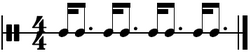
Key Facts
- Definition: A syncopated rhythm featuring a short, accented note followed by a longer one.
- Baroque Structure: Typically consists of a stressed sixteenth note (semiquaver) followed by a dotted eighth note (dotted quaver).
- Cultural Roots: A defining characteristic of the Scottish strathspey dance.
- Modern Influence: Frequently used in contemporary North American pop, rap, and jazz.
The Lombard Rhythm in Classical and Baroque Music
During the Baroque era, composers utilized the Lombard rhythm to add tension and character to their works. This specific rhythmic cell—a stressed sixteenth note followed by a dotted eighth—became a tool for expressive phrasing.
Several prominent figures integrated these rhythms into their compositions and teaching. Johann Georg Pisendel, for example, employed Lombard rhythms in both the largo and allegro sections of his sonata for Violin Solo in A Minor. Similarly, Carl Philipp Emanuel Bach incorporated dotted rhythms into specific excerpts of his concerto for flute, cello, and keyboard. The pedagogical influence of this style was furthered by figures like Johann Joachim Quantz, who introduced these uneven rhythms into their musical studies.
From Scottish Traditions to Global Pop
Outside of the concert hall, this rhythm is a cornerstone of Scottish cultural identity. In Scottish country dances, the "Scotch snap" is a prominent and essential feature of the strathspey, a traditional dance characterized by its jerky, rhythmic pulse.
The migration of Scottish people to Appalachia brought these musical elements to North America, where they eventually merged into various popular music forms. This influence persists into the 20th and 21st centuries, where the rhythm has become a staple of jazz and modern pop.
In recent years, the Scotch snap has appeared frequently in the works of global superstars such as Post Malone, Cardi B, and Ariana Grande. The rhythm's prevalence in hip-hop and pop has even led to artistic disputes; Ariana Grande's song "7 Rings" sparked controversy when artists Princess Nokia and Soulja Boy claimed the use of the rhythm in the track mirrored their own iconic uses of the snap, leading to accusations of plagiarism.
Summary of Rhythmic Characteristics
| Rhythm Type | Sequence | Common Contexts |
|---|---|---|
| Lombard Rhythm / Scotch Snap | Short (Accented) → Long | Strathspey, Baroque music, Modern Pop/Rap |
| Standard Dotted / Notes Inégales | Long → Short | Classical phrasing, Traditional Baroque |
Frequently Asked Questions
What exactly is a Lombard rhythm?
A Lombard rhythm is a syncopated musical pattern where a short, accented note is followed by a longer note, creating a "snapping" effect.
How does it differ from a standard dotted note?
In a standard dotted note or notes inégales, the longer note comes first. The Lombard rhythm reverses this, placing the shorter note first.
Why is it called a Scotch snap?
It is called a Scotch snap because it is a defining rhythmic feature of the strathspey, a traditional Scottish country dance.
Which modern artists use the Scotch snap?
Contemporary artists including Ariana Grande, Cardi B, and Post Malone have utilized this rhythm in their music.
Was the Lombard rhythm used in the Baroque period?
Yes, Baroque composers such as Johann Georg Pisendel and Carl Philipp Emanuel Bach, as well as pedagogues like Johann Joachim Quantz, utilized these rhythms.