Johann Sebastian Bach: The Master of Baroque Music
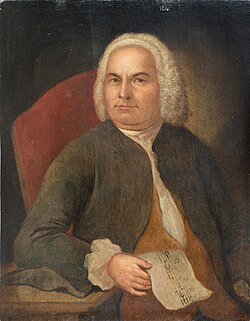
Johann Sebastian Bach stands as one of the most influential figures in the history of Western music. A prolific composer, virtuoso keyboard player, and dedicated educator, Bach synthesized the diverse musical styles of his era into a sophisticated language of harmony and structure. His work represents the pinnacle of the High Baroque period, blending mathematical precision with profound emotional depth.
Born in Eisenach on March 21, 1685 (Old Style), Bach was immersed in a family of musicians. His early education and innate talent paved the way for a career that spanned several German cities, eventually leading him to his most famous appointment in Leipzig.
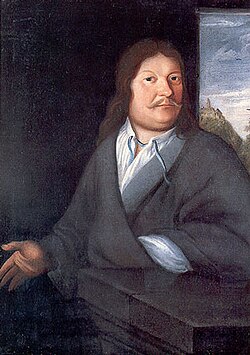
Key Facts
- Lifespan: 1685–1750.
- Primary Roles: Composer, organ expert, violinist, conductor, and school director.
- Major Appointments: Weimar, Köthen, and the Thomaskantor position in Leipzig.
- Musical Contributions: Perfected the art of counterpoint and the fugue.
- Legacy: His works are foundational to almost all subsequent Western classical music.
Career Progression and Major Appointments
Early Career: Weimar, Arnstadt, and Mühlhausen (1703–1708)
Bach's early professional years were marked by his growth as an organist. During his time in Arnstadt and Mühlhausen, he gained a reputation for his technical brilliance and imaginative approach to the organ.
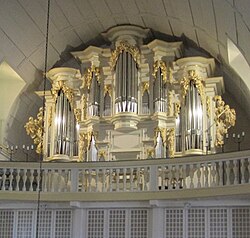
The Weimar and Köthen Years (1708–1723)
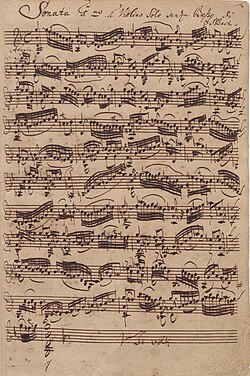
Returning to Weimar from 1708 to 1717, Bach focused heavily on organ music and early cantatas. In 1717, he moved to Köthen, where he served as Konzertmeister. This period was particularly fruitful for his instrumental music, including his works for solo violin and keyboard.
The Leipzig Era (1723–1750)
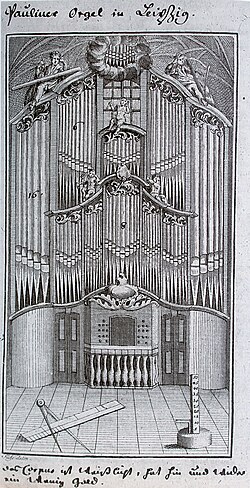
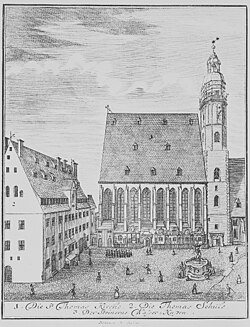
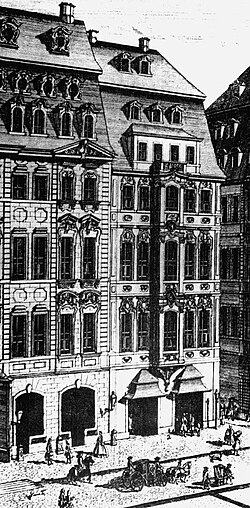
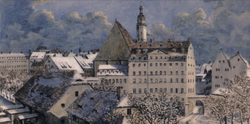
In 1723, Bach was appointed as the Thomaskantor (Cantor of St. Thomas Church) in Leipzig. This role required him to oversee the music for the city's main churches and direct the St. Thomas School. His tenure in Leipzig is divided into three primary phases:
- Cantata Cycle Years (1723–1729): A period of immense productivity where he composed a vast number of church cantatas.
- Middle Years (1730–1739): A shift toward more complex and diverse musical forms.
- Final Years (1740–1750): A period focused on monumental works and theoretical explorations of music.
Compositional Style and Technical Mastery
Counterpoint and Fugue
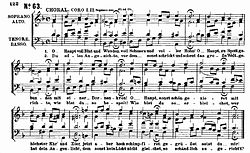
Bach is most renowned for his mastery of counterpoint—the technique of combining two or more independent melodic lines to create a harmonious whole. This is most evident in his fugues, complex compositions based on a single theme that is introduced and then developed by other voices.
Harmony and Ornamentation
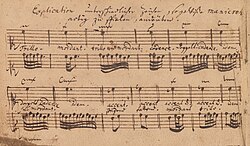
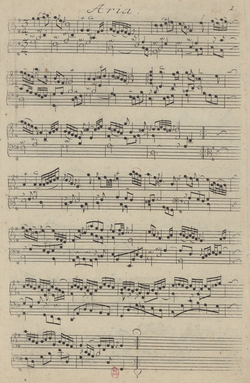
Bach expanded the use of modulation (changing from one key to another) and refined ornamentation—the addition of decorative notes to a melody to enhance its expression. He also re-interpreted older modal systems to fit the evolving tonal harmony of the 18th century.
Legacy and Historical Reception
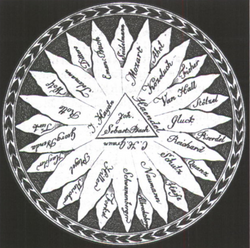
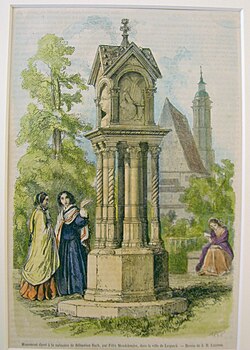
While Bach was respected in his time, he was sometimes viewed as "passé" or overly complex by the standards of the late 18th century. However, the 19th century saw a massive revival of his work, spearheaded by figures like Felix Mendelssohn, who helped bring Bach's masterpieces back into the public consciousness.
| Category | Details |
|---|---|
| Birth/Death | March 21, 1685 – July 28, 1750 |
| Key Cities | Eisenach, Weimar, Köthen, Leipzig |
| Primary Instruments | Organ, Harpsichord, Violin |
| Core Genres | Cantatas, Fugues, Passions, Concertos |
| Defining Technique | Complex Counterpoint |
Frequently Asked Questions
What was Bach's role as Thomaskantor?
As the Thomaskantor in Leipzig, Bach was responsible for the music in the city's primary churches and served as the director of the St. Thomas School, where he taught and conducted the choir.
What is counterpoint in Bach's music?
Counterpoint is the musical texture consisting of two or more simultaneous lines of independent melody. Bach is considered the ultimate master of this technique, using it to create intricate and balanced compositions.
Was Bach famous during his own lifetime?
Bach was well-known and respected as a virtuoso organist and composer, though some of his contemporaries found his complex style to be outdated or too academic compared to the emerging simpler styles of the time.
How did Felix Mendelssohn contribute to Bach's legacy?
Mendelssohn played a crucial role in the 19th-century Bach revival, most notably by performing and promoting Bach's works, which helped establish him as a foundational figure in Western music.