Literature: The Evolution of Written and Oral Art
Literature, in its broadest sense, encompasses any collection of written work. While it serves as a fundamental method for recording, preserving, and transmitting knowledge and entertainment, it is also recognized more narrowly as an art form. From the sweeping narratives of novels to the rhythmic precision of poems and the dramatic tension of plays, literature reflects the social, psychological, spiritual, and political dimensions of the human experience.
In the modern era, the definition of literature has expanded. It now includes digital writing and oral literature—stories and traditions passed down by word of mouth, many of which have since been transcribed into text. As technology evolves, the boundary between traditional print and electronic literature continues to blur, integrating written words with diverse modern media.
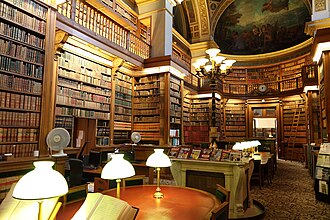
Key Facts
- Scope: Includes print, digital, and transcribed oral works.
- Purpose: Used for knowledge preservation, entertainment, and artistic expression.
- Genres: Spans fiction (novels, short stories) and non-fiction (biographies, essays, diaries).
- Academic Study: Analyzed through literary criticism (merit and significance) and textual criticism (artifacts and traditions).
- Legal Framework: Governed by copyright laws to protect intellectual property, though subject to censorship in various political climates.
The Foundations of Literary Study
The study of literature is divided into several academic disciplines. Literary criticism is one of the oldest, focusing on the intellectual significance or artistic merit of a text. In contrast, the history of the book and textual criticism treat texts as physical artifacts or historical traditions.
While "literature" is often used interchangeably with literary fiction—writing created specifically for artistic merit—it also encompasses a wide array of non-fiction. This includes memoirs, letters, diaries, and essays, as well as informative articles on specific subjects.
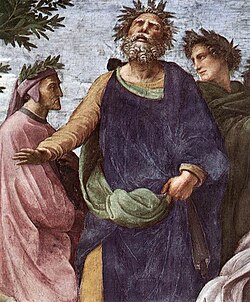
A History of Expression: From Orality to Print
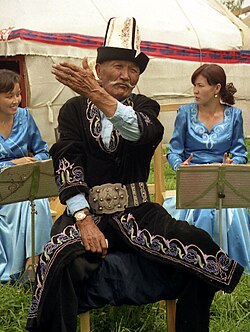
Oral Literature and Oratory
Before the widespread use of writing, knowledge was preserved through oral traditions. This form of literature relied on memory and performance to transmit cultural values and histories across generations.
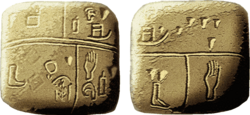
The Dawn of Writing
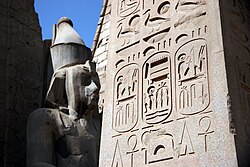
The transition to written literature allowed for more permanent records. Early examples include pictographic writing on tablets and complex systems like hieroglyphs, which served both administrative and royal purposes.
The Impact of Publishing
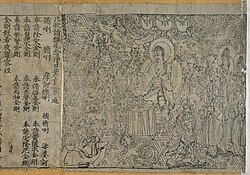
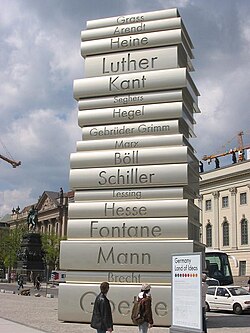
The development of print technology revolutionized the distribution of written works, making literature accessible to a broader audience. From the earliest dated printed books in East Asia to the proliferation of the novel in Europe, printing accelerated the spread of ideas.
Major Literary Types and Genres
Literature is generally categorized into several primary forms, each with its own structural and aesthetic goals.
Poetry and Prose
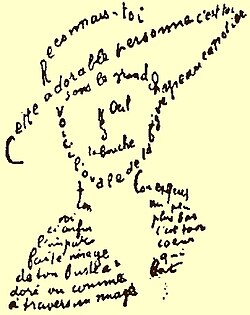
Poetry often emphasizes rhythm and aesthetic value, sometimes utilizing visual arrangements known as calligrams. Prose, meanwhile, is the ordinary form of spoken or written language, which branches into several narrative lengths:
- Novel: An extended fictional narrative.
- Novella: A story shorter than a novel but longer than a short story.
- Short Story: A brief work of imaginative prose.
Drama and Modern Forms
Drama is written specifically for performance. In more recent times, the graphic novel has emerged as a hybrid of visual art and narrative, while electronic literature utilizes digital platforms to create interactive experiences.
![The Adventures of Pinocchio (1883) is a canonical piece of children's literature and one of the best-selling books ever published.[87]](/images/a1/c8/a1c83d1f571c5d5932021924d0834d417fa443c21d6f2827c9f4871277f6e2cb.jpg)
Law, Censorship, and the Canon
The production and distribution of literature are inextricably linked to legal systems. Copyright laws in the United Kingdom, United States, European Union, and Japan protect the rights of authors, though these laws have varied significantly in communist countries.
Despite legal protections, literature has frequently faced censorship. A prominent example is James Joyce's Ulysses, which was banned in the United States from 1921 to 1933 on grounds of obscenity. Despite this, it is now regarded as a masterpiece of 20th-century prose and a staple of global English literature courses.
Summary of Literary Classifications
| Category | Examples/Sub-types | Primary Focus |
|---|---|---|
| Fiction | Novel, Novella, Short Story | Imaginative narrative and artistic merit |
| Non-Fiction | Biography, Essay, Memoir | Factual recording and analysis |
| Poetry | Lyric, Epic, Calligrams | Rhythm, sound, and aesthetic form |
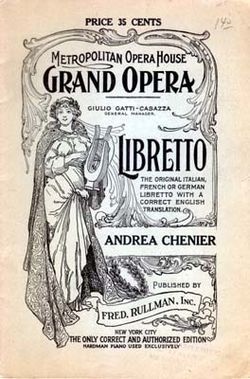
| Drama | Plays, Librettos | Performance and dialogue |
| Academic Study | Literary Criticism, Textual Criticism | Intellectual significance and artifact history |
Frequently Asked Questions
What is the difference between literary criticism and textual criticism?
Literary criticism focuses on the intellectual significance, themes, and artistic merit of a text. Textual criticism, however, treats the text as a physical artifact or part of a historical tradition, focusing on its origin and transmission.
Does literature only include fictional stories?
No. While often associated with novels and poems, literature also includes non-fiction genres such as biographies, diaries, memoirs, letters, and essays.
What is oral literature?
Oral literature consists of stories, poems, and histories that are transmitted verbally from one generation to another. Much of this has been transcribed into written form in recent centuries.
How has technology affected literature?
Print technology allowed for the mass distribution of books, while the digital era has introduced electronic literature, blurring the lines between traditional writing and modern interactive media.
Why was James Joyce's Ulysses banned?
Ulysses was banned in the United States between 1921 and 1933 due to allegations of obscenity, though it is now considered one of the greatest masterpieces of prose.