Writers of Literature: Roles, Motivations, and the Craft of Writing
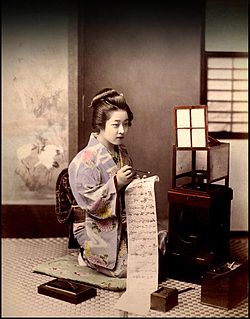
Writing is a diverse profession that spans the spectrum from artistic expression to utilitarian documentation. At its core, a writer is an individual skilled in language proficiency, grammar, and literacy, utilizing these competencies to communicate ideas, tell stories, or record history. Whether working in traditional mass media or modern social media, writers shape how we perceive the world.
From the solitary novelist to the collaborative committees that translated the King James Bible, the act of writing varies wildly in its execution and purpose. While some write for fame or financial gain, others are driven by a need to reform society or preserve a personal legacy.
Key Facts
- Diverse Roles: Writers are categorized into literary/creative, performative, interpretive/academic, reportage, and utilitarian types.
- Collaborative Efforts: While often seen as a solo act, major works like the Authorized King James Version (1611) were produced by committees.
- Motivations: Writing is often driven by a desire to entertain, teach, influence policy, or express anger against injustice.
- Pseudonyms: Many famous authors, such as Mark Twain (Samuel Clemens) and George Eliot (Mary Anne Evans), used pen names.
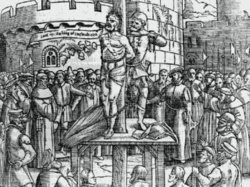
- Risks: Throughout history, writers like William Tyndale and Galileo Galilei faced severe punishment, including execution and house arrest, for their work.
Types of Writers
Literary and Creative Writers
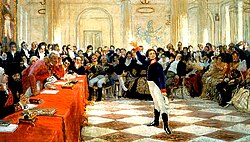
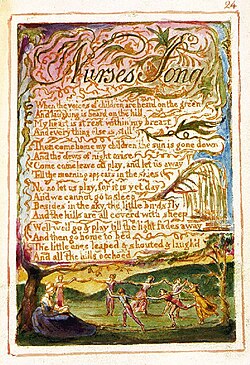
These writers focus on the aesthetic and emotional power of language. This group includes poets, novelists, satirists, and short story writers. Their work often explores the human condition through fiction or verse.
Performative Writers
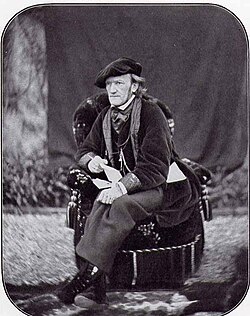
Performative writing is designed to be heard or seen rather than just read. This includes playwrights, screenwriters, speechwriters, and librettists (those who write the text for operas or musicals), such as Richard Wagner.
Interpretive and Academic Writers
These writers analyze, organize, and synthesize information. Key roles include:
- Biographers: Writers who document another person's life, such as Richard Ellmann, who won a Pulitzer Prize for his biography of Oscar Wilde.
- Critics: Scholars who assess the success of a work based on its purpose and style. Notable examples include Charles Baudelaire and James Wood.
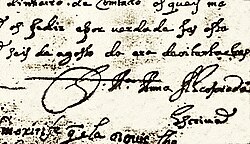
- Encyclopaedists: Creators of organized bodies of knowledge, such as Denis Diderot or Bernardino de Sahagún.
- Lexicographers: Specialists who compile dictionaries, most notably Samuel Johnson.
- Researchers and Scholars: Those whose writings can revolutionize society, such as Nicolaus Copernicus, Charles Darwin, and Sigmund Freud.
Reportage and Utilitarian Writers
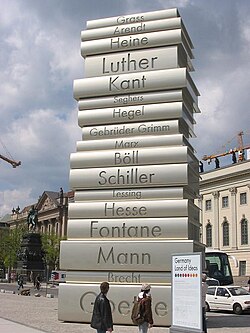
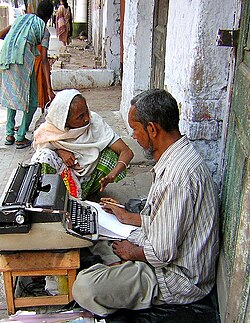
This category focuses on the transmission of facts and practical information. It includes journalists, bloggers, and columnists. Diarists, such as Samuel Pepys and Anne Frank, provide invaluable historical eyewitness accounts through their sequential records of personal experience.

Utilitarian writers include ghostwriters, technical writers, and report writers. For example, Florence Nightingale used detailed reports on the Crimean War to drive administrative health reforms in the British Army.
The Writing Process and Motivations
Methods of Creation
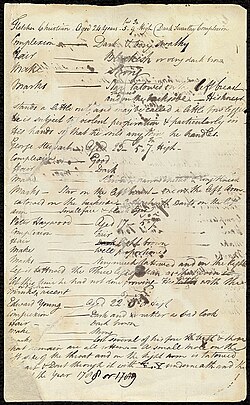
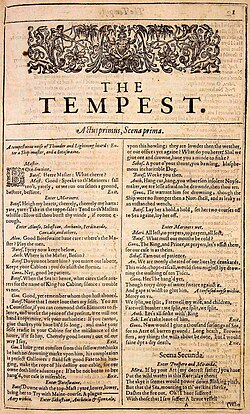
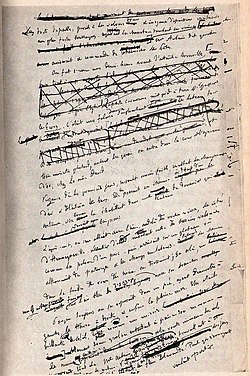
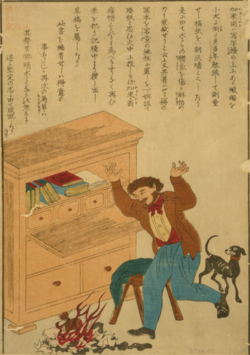
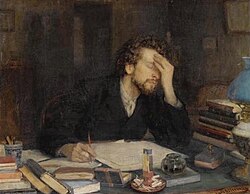
Writing can be a sole endeavor or a collaborative one. Some writers are known for their meticulous editing—as seen in Gustave Flaubert's heavily revised manuscripts—while others work within committees to balance accessibility with beauty.
What Drives a Writer?
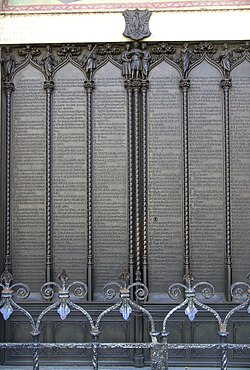
Motivations vary from the pursuit of skill and entertainment to the desire for social change. Anger at corruption often sparks influential writing; Martin Luther's Ninety-five Theses sought to reform the church, and Émile Zola's J'Accuse highlighted government injustice.
Controversy, Punishment, and Recognition
The Cost of Expression
Writing has often been a dangerous act. Many authors have faced imprisonment or death for their beliefs. Examples include Dietrich Bonhoeffer, who was hanged for resisting Nazism, and Sima Qian, who chose castration over execution to preserve his historical records.
Awards and Legacy
Excellence in writing is recognized through prestigious awards such as the Pulitzer Prize, the Prix Goncourt, and the Nobel Prize in Literature. However, recognition is not always simple; Boris Pasternak famously declined his Nobel Prize due to government pressure.
| Category | Role | Notable Example/Work |
|---|---|---|
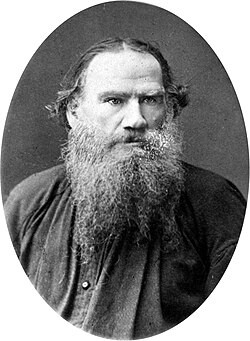
| Creative | Novelist | Leo Tolstoy |
| Academic | Lexicographer | Samuel Johnson |
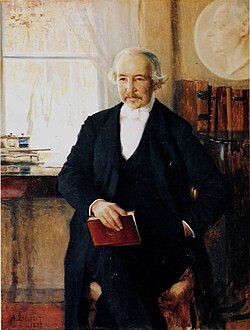
| Interpretive | Biographer | Richard Ellmann |
| Reportage | Diarist | Anne Frank |
| Utilitarian | Report Writer | Florence Nightingale |
Frequently Asked Questions
What is the difference between a novelist and a librettist?
A novelist writes long-form fictional narratives intended for reading, whereas a librettist writes the text (the libretto) specifically for a musical work, such as an opera.
Why do some writers use pen names?
Writers use pseudonyms for various reasons, including privacy or branding. Examples include Mark Twain, who wrote as Samuel Clemens, and George Eliot, who was actually Mary Anne Evans.
What does a lexicographer do?
A lexicographer is a writer who specializes in the creation and editing of dictionaries, focusing on the systematic recording of a language's vocabulary.
Can writing be a collaborative process?
Yes. While many think of writers as solitary, some major works are produced by committees. The King James Version of the Bible is a primary example of a collaborative translation effort.
What is the role of a literary critic?
A critic assesses a work's success based on its purpose, style, and circumstances. They use scholarship and theory to provide a substantiated evaluation of literary, artistic, or theatrical works.