Lipids: Structure, Classification, and Biological Functions
Lipids are a diverse group of organic compounds characterized by their solubility. Broadly defined as hydrophobic (water-repelling) or amphiphilic (possessing both water-attracting and water-repelling parts) small molecules, lipids play critical roles in nearly every biological process. From the structural integrity of cell membranes to the long-term storage of energy, these molecules are essential for life.
While often used interchangeably with the word "fats," lipids actually encompass a much wider array of substances, including waxes, sterols, fat-soluble vitamins (A, D, E, and K), and various glycerides. Because of their unique chemical properties, lipids are widely utilized in nanotechnology, the food industry, and cosmetics.
![Structures of some common lipids. At the top are cholesterol[1] and oleic acid.[2]: 328 The middle structure is a triglyceride composed of oleoyl, stearoyl, and palmitoyl chains attached to a glycerol backbone. At the bottom is the common phospholipid phosphatidylcholine.](/images/dc/9c/dc9c0faaa7c13aaf145aaad29180204b7eb77054bb4379d76b271dd099f675d1.webp)
Key Facts
- Broad Composition: Includes fats, waxes, sterols, phospholipids, and fat-soluble vitamins.
- Primary Functions: Energy storage, cellular signaling, and forming the structural basis of cell membranes.
- Chemical Nature: Most are hydrophobic or amphiphilic, allowing them to form vesicles and bilayers in water.
- Building Blocks: Biological lipids are derived from either ketoacyl or isoprene subunits.
- Essential Lipids: Certain lipids cannot be synthesized by the body and must be acquired through diet.
The Classification of Lipids
Biological lipids are constructed from two primary biochemical building blocks: ketoacyl and isoprene groups. Based on these origins, the Lipid MAPS consortium classifies lipids into eight distinct categories.
Ketoacyl-Derived Lipids
- Fatty Acyls: The simplest form, including fatty acids and their derivatives.
- Glycerolipids: This group includes triglycerides (the primary form of stored fat), which consist of a glycerol backbone attached to three fatty acid chains.
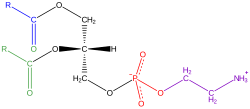
- Glycerophospholipids: Essential components of cell membranes.
- Sphingolipids: Complex lipids found heavily in neural tissues.
- Saccharolipids: Lipids containing sugar residues.
- Polyketides: Molecules derived from the condensation of ketoacyl subunits.

Isoprene-Derived Lipids
- Sterol Lipids: This category includes cholesterol and other sterol-containing metabolites.
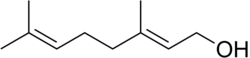
- Prenol Lipids: Lipids derived from the condensation of isoprene subunits.

Biological Functions and Applications
Lipids are not merely energy reserves; they are active participants in the maintenance and regulation of biological systems.
Structural Components of Membranes
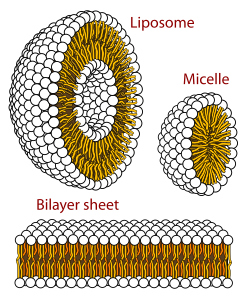
The amphiphilic nature of phospholipids allows them to spontaneously organize into bilayers, micelles, or liposomes when placed in an aqueous environment. This self-organization is what creates the semi-permeable boundary of the cell membrane, protecting the cell's interior while regulating what enters and exits.
Energy Storage and Signaling
Triglycerides serve as the most efficient way for organisms to store metabolic energy. Beyond storage, lipids act as vital signaling molecules. For example, eicosanoids (such as prostaglandins and leukotrienes) are fatty acid derivatives that regulate inflammation and other cellular responses.


Other Specialized Lipids
Certain lipids serve highly specialized roles, such as sphingomyelin in the myelin sheath of nerves or phosphatidylethanolamine in membrane stability.

Summary of Lipid Categories
| Category | Building Block | Common Examples |
|---|---|---|
| Glycerolipids | Ketoacyl | Triglycerides |
| Glycerophospholipids | Ketoacyl | Phosphatidylcholine |
| Sterol Lipids | Isoprene | Cholesterol |
| Prenol Lipids | Isoprene | Geraniol |
| Saccharolipids | Ketoacyl | Kdo2-lipid A |
![Structure of the saccharolipid Kdo2-lipid A.[52] Glucosamine residues in blue, Kdo residues in red, acyl chains in black and phosphate groups in green.](/images/2c/52/2c52c89526dc62d39046954e6548c16cc092f833563eac61dc134af98f9a33ae.png)
Frequently Asked Questions
Are fats and lipids the same thing?
No. While the terms are often used interchangeably, fats (specifically triglycerides) are actually a subgroup of the broader lipid family, which also includes sterols, waxes, and phospholipids.
What does it mean for a lipid to be amphiphilic?
An amphiphilic molecule has both a hydrophilic (water-loving) head and a hydrophobic (water-fearing) tail. This property allows lipids to form the bilayers that make up cell membranes.
What are essential lipids?
Essential lipids are those that the human body cannot synthesize on its own through biosynthetic pathways and must therefore be obtained through the diet.
What is the role of cholesterol in the body?
Cholesterol is a sterol lipid that serves as a structural component of cell membranes and acts as a precursor for the synthesis of other sterol-containing metabolites.