Lion Symbolism Through Human History and Culture
For tens of thousands of years, the lion has served as one of the most potent symbols in human civilization. From the earliest prehistoric sketches to modern corporate branding, this apex predator has represented a spectrum of human values: strength, strategy, royalty, and divine power. Initially depicted as organized hunters with immense skill, lions eventually transitioned into symbolic figures in cultural ceremonies, acting as deities, magical intermediaries, and markers of clan identity.
Key Facts
- Earliest Art: Lion depictions date back 39,000 years to the Aurignacian culture.
- European Presence: Lions lived in Greece, Ukraine, and the Balkans from the 5th millennium BC until at least the 6th century BC.
- Religious Roles: The lion appears as a divine mount in Hinduism, a symbol of the Devil or God's anger in the Bible, and a representation of Ali in Shia Islam.
- Cultural Identity: The name "Singh" (meaning lion) is used by millions of Sikhs and was historically used by Rajput warriors.
- Heraldry: Lions are primary charges in the national coats of arms for countries including England and Finland.
Prehistoric and Ancient Origins
The human fascination with lions began in the Paleolithic era. Some of the earliest known cave paintings, found in the Chauvet and Lascaux caves in France, depict the extinct Panthera spelaea (cave lion) and date between 32,000 and 15,000 years ago.
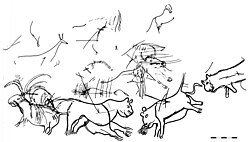
Even older artifacts have been discovered in Germany's Swabian Jura. The zoomorphic Löwenmensch (lion-man) figurine and an ivory carving of a lion's head from Vogelherd Cave have been carbon-dated to approximately 39,000 years ago, originating from the Aurignacian culture.
Ancient Mesopotamia and Iran
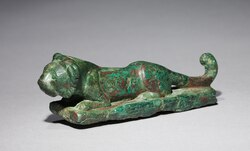
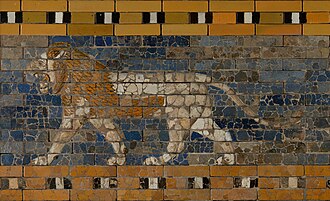
In ancient Mesopotamia and Iran, the lion was deeply integrated into political and spiritual life. At Persepolis, reliefs depict an eternal combat between a bull (representing the Moon) and a lion (representing the Sun and spring). This association with celestial bodies continued into later periods, as seen in the Lion and Sun symbol related to the Achaemenid period.
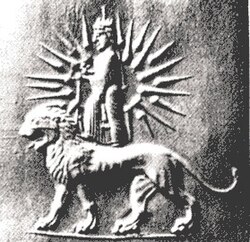
Mesopotamian influence is still felt today; for instance, the Iraqi national football team is nicknamed the "Lions of Mesopotamia."
The Lion in Religious and Mystical Traditions
Biblical and Judeo-Christian Perspectives
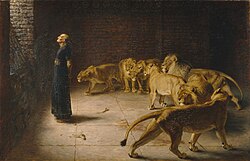
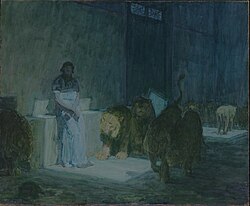
In the Bible, the lion is a dual symbol of terror and harmony. It is used to describe the anger of God and the menace of enemies or Satan—most notably in 1 Peter 5:8, where the Devil is compared to a roaring lion. Conversely, the Book of Isaiah uses the image of a lion lying with a calf to symbolize the harmony of creation.
Islamic and Persian Influence
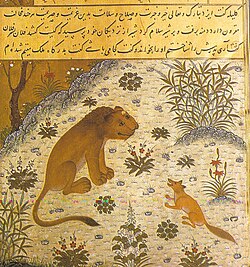
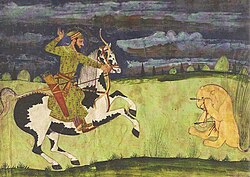
In Arab and Persian cultures, the lion symbolizes bravery, chivalry, and royalty. While Islamic religious tradition generally discourages the sculpture of living creatures, lion imagery flourished in Persian miniatures and architectural elements. In al-Andalus (Muslim Spain), lion statues served as waterspouts in the 14th-century Court of the Lions at the Alhambra.
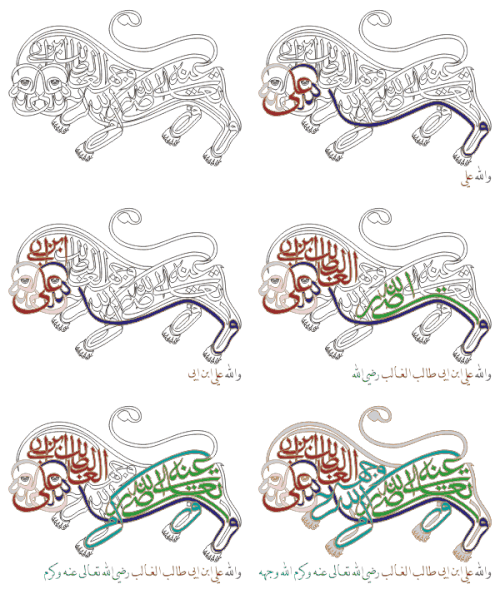
In Shia Islam, a popular zoomorphic calligraphic motif represents Ali as the "Lion of Allah."
Dharmic Traditions of Asia
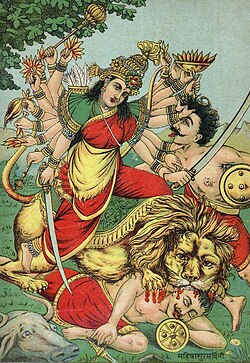
In South Asia, the lion is central to both Hindu and Sikh identities. The Hindu goddess of war, Durga, uses a lion as her vahanam (divine mount). In Sikhism, the name "Singh" (meaning lion) was adopted by the Khalsa brotherhood in 1699 following the wishes of Guru Gobind Singh, though the name had previously been used by Rajput warriors.
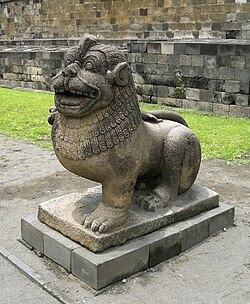
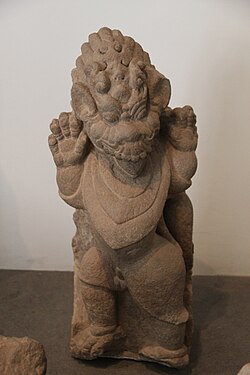
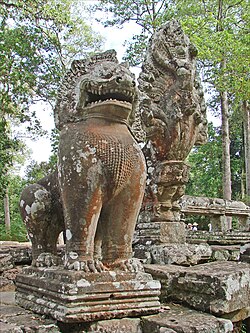
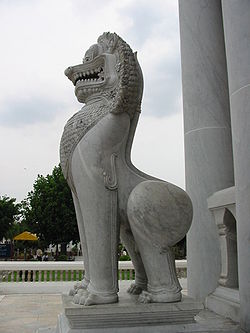
Across Southeast Asia, lion guardians are common architectural features, appearing in the Borobudur temple, the Bayon in Angkor, and various Thai temples.
Global Political and Artistic Symbolism
Heraldry and National Identity
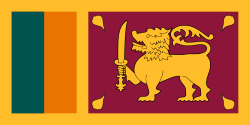
The lion is perhaps the most frequent animal in heraldry, appearing in various poses such as rampant (standing on hind legs) or passant (walking). It is a primary element in the coats of arms of England and Finland, and appears on the flag of Sri Lanka.


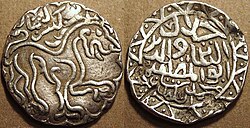
Historically, the lion was used on currency, such as the silver tanka of the Bengal Sultanate ruler Jalaluddin Muhammad Shah, which featured a lion passant.
East Asian Guardians
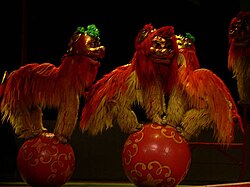
In China, guardian lions (often called Foo Dogs) are placed in pairs to protect entrances, such as those found within the Forbidden City. These figures represent protection and power.

Modern Culture and Branding
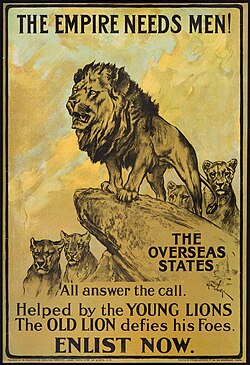
The "King of the Beasts" remains a staple of modern media, from the MGM lion logo (which has featured at least seven different lions since 1924) to Disney's The Lion King. In the automotive world, brands like Peugeot, Roewe, and MAN AG use the lion to convey strength and reliability.
| Culture/Region | Primary Meaning | Key Example |
|---|---|---|
| Ancient Iran | Sun and Spring | Persepolis reliefs |
| Sikhism | Warrior Spirit | The name "Singh" |
| Hinduism | Divine Power | Mount of Goddess Durga |
| European Heraldry | Royalty and Courage | Coat of Arms of England |
| Chinese Culture | Protection | Forbidden City Guardian Lions |
Frequently Asked Questions
How old are the earliest known depictions of lions?
The earliest known representations are the Löwenmensch figurine and ivory carvings from Germany, which date back approximately 39,000 years to the Aurignacian culture.
Did lions naturally live in Europe during ancient times?
Yes. Bone discoveries in Greece, Ukraine, and the Balkans confirm that lions lived in these regions from the 5th millennium BC until the 6th century BC, with some written sources suggesting they survived until the 1st or 4th century AD.
What does the name "Singh" signify?
"Singh" is an ancient Indian name meaning "lion." Originally used by Rajput warriors, it was adopted by the Sikh community in 1699 by the order of Guru Gobind Singh.
How is the lion used in Islamic art?
While religious sculpture is generally discouraged, lions appear in Persian miniatures, stone-carved decorations in Seljuk architecture, and as architectural supports or waterspouts in Moorish palaces like the Alhambra.
What are the different poses of lions in heraldry?
Lions in heraldry are described by their posture, including rampant (rearing), passant (walking), statant (standing), couchant (lying down), and sejant (sitting).