Carl LinnaeusSystema Naturaebinomial nomenclaturetaxonomymollusks

Linnaean Classification of Invertebrates in Systema Naturae

Linnaean Classification of Invertebrates in Systema Naturae The foundation of modern biological classification rests upon the work of Carl Linnaeus. In his seminal 1758 work, Systema Natu...

Linnaean Classification of Invertebrates in Systema Naturae

The foundation of modern biological classification rests upon the work of Carl Linnaeus. In his seminal 1758 work, Systema Naturae, Linnaeus introduced a standardized system of binomial nomenclature—the practice of naming species using two parts: a genus and a specific epithet. This system brought unprecedented order to the natural world, allowing scientists to categorize a vast array of organisms based on shared physical characteristics.

Among the most diverse groups cataloged in the 1758 edition were the invertebrates, ranging from simple polyps to complex mollusks. By grouping animals into genera such as Venus, Conus, and Helix, Linnaeus provided a framework that, while revised over centuries, remains the bedrock of zoological study.

Key Facts
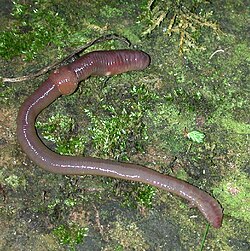
The common earthworm was named Lumbricus terrestris in 1758.
  • Binomial Nomenclature: Established the two-part naming system used globally today.
  • Broad Genera: Many early Linnaean genera, like Helix and Murex, contained a wide variety of species that are now split into many different families.
  • Diverse Scope: The 1758 records include everything from land snails and edible oysters to stone corals and sea fans.
  • Historical Shifts: Some organisms originally classified as animals, such as the chlorophyte Volvox, are now known to be algae.

The Mollusks: Bivalves and Gastropods
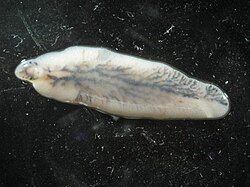
The sheep liver fluke was named Fasciola hepatica in 1758.

A significant portion of the Linnaean invertebrate records focuses on mollusks, divided primarily into those with two shells (bivalves) and those with a single spiral shell or no shell (gastropods).

Bivalves: Clams, Oysters, and Mussels

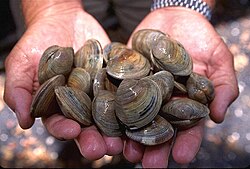
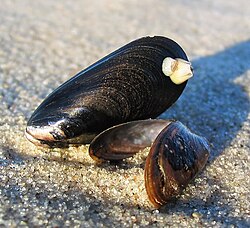
Linnaeus categorized bivalves into several distinct groups based on shell shape and hinge structure. The genus Venus was used for a wide array of Venus clams, including the hard clam (Venus mercenaria) and the warty venus (Venus verrucosa). Other notable groups included Ostrea for true oysters, such as the edible oyster (Ostrea edulis), and Mytilus for mussels.

Selected Linnaean Bivalve Classifications (1758)
Genus Species Example Common Name
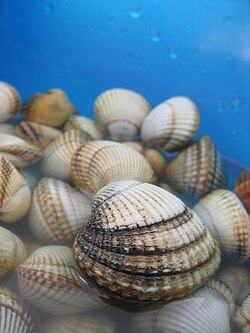
Cardium Cardium edule Common cockle
Venus Venus mercenaria Hard clam
Ostrea Ostrea edulis Edible oyster
Mytilus Mytilus edulis Blue mussel

Gastropods: Snails and Slugs

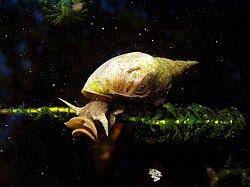
The gastropod section is remarkably extensive, covering marine, freshwater, and terrestrial species. Linnaeus used the genus Helix to encompass a vast range of land and aquatic snails, including the Roman snail (Helix pomatia) and the great pond snail (Helix stagnalis).

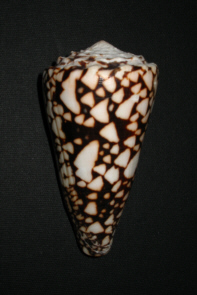
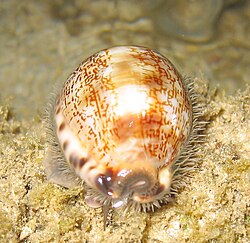
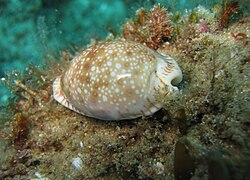
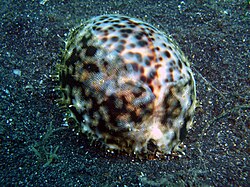
Marine gastropods were further divided into specialized groups. The Conus genus described various cone snails, such as the marbled cone (Conus marmoreus), while Cypraea was used for cowries, including the tiger cowry (Cypraea tigris). The Murex genus served as a broad category for many predatory sea snails, including the banded dye murex (Murex trunculus).

Cnidarians, Bryozoans, and Other Invertebrates
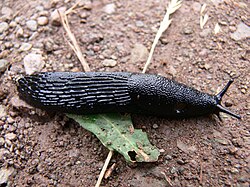
The black slug was named Limax ater in 1758.

Beyond the mollusks, Linnaeus documented various colonial and radial organisms. The genus Madrepora was used to classify stone corals, while Gorgonia described sea fans, such as the common sea fan (Gorgonia ventalina).

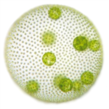
He also included Sertularia, a genus used for bryozoans (moss animals), and various other simple organisms. Interestingly, the 1758 system included the chlorophyte Volvox (a green algae) under the animal kingdom, specifically as Volvox globator and Volvox chaos.

Frequently Asked Questions
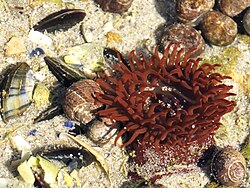
The beadlet anemone was named Priapus equinus in 1758.
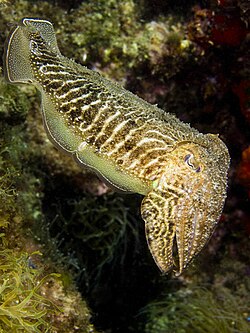
The common cuttlefish was named Sepia officinalis in 1758.
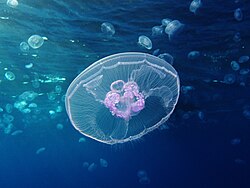
The moon jellyfish was named Medusa aurita in 1758.
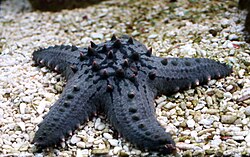
The horned sea star was named Asterias nodosa in 1758.
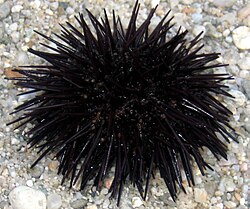
The black sea urchin was named Echinus lixula in 1758.
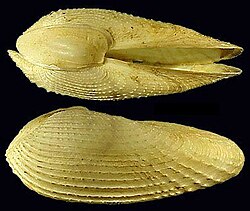
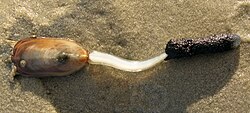
Barnea candida was named Pholas candidus in 1758.
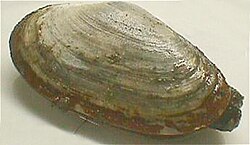
The common softshell was named Myes arenaria in 1758.
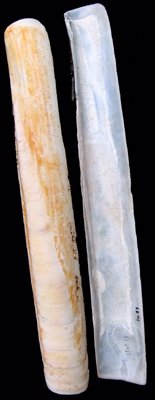
The pod razor was named Solen siliqua in 1758.
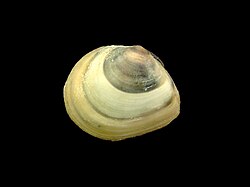
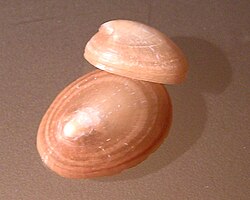
The Baltic tellin was named Tellina balthica in 1758.
The common cockle was named Cardium edule in 1758.
The hard clam was named Venus mercenaria in 1758.
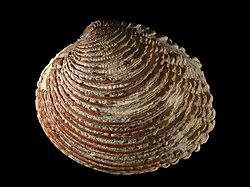
The warty venus was named Venus verrucosa in 1758.
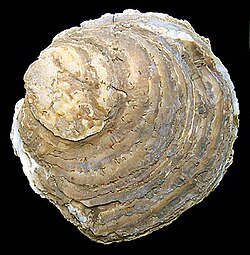
The edible oyster was named Ostrea edulis in 1758.
The blue mussel was named Mytilus edulis in 1758.
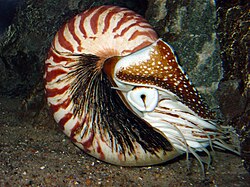
The chambered nautilus was named Nautilus pompilius in 1758.
The marbled cone was named Conus marmoreus in 1758.
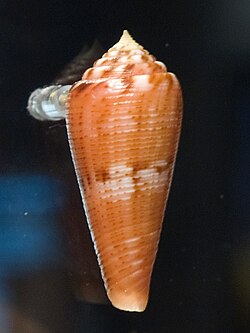
The Glory-of-the-Atlantic cone was named Conus granulatus in 1758.
The Arabian cowry was named Cypraea arabica in 1758.
The gnawed cowry was named Cypraea erosa in 1758.
The tiger cowry was named Cypraea tigris in 1758.
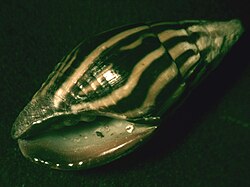
Mitra paupercula was named Voluta paupercula in 1758.
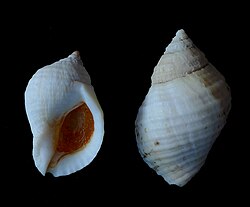
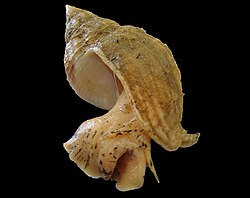
The dog whelk was named Buccinum lapillus in 1758.
The common whelk was named Buccinum undatum in 1758.
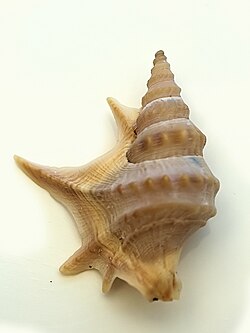
The pelican's foot was named Strombus pes pelecani in 1758.
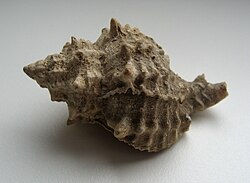
The banded dye murex was named Murex trunculus in 1758.
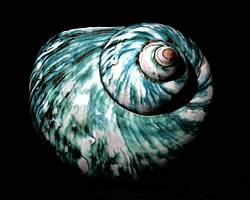
The great green turban was named Turbo marmoratus in 1758.
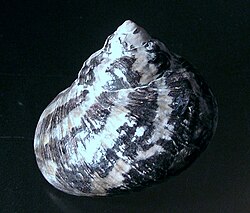
The West Indian top shell was named Turbo pica in 1758.
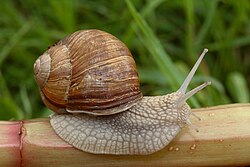
The Roman snail was named Helix pomatia in 1758.
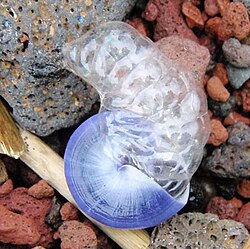
The common purple snail was named Helix janthina in 1758.
The great pond snail was named Helix stagnalis in 1758.
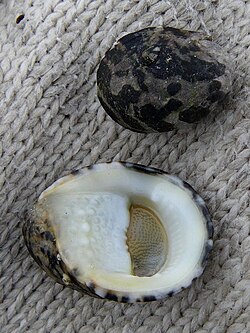
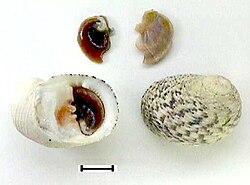
The blotched nerite was named Nerita albicilla in 1758.
Shell & opercula of Nerita peloronta
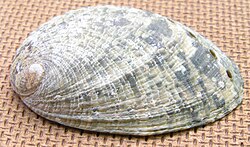
The virgin paua was named Haliotis marmorata in 1758.
The brachiopod Lingula anatina was named Patella unguis in 1758.
The blue-rayed limpet was named Patella pellucida in 1758.
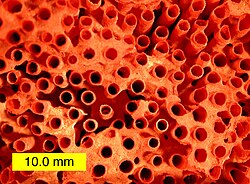
The organ pipe coral was named Tubipora musica in 1758.
The chlorophyte Volvox was included among the animals in the 1758 Systema Naturae as two species: Volvox globator & Volvox chaos

What is binomial nomenclature?

Binomial nomenclature is the formal system of naming species using two Latinized names: the genus name (capitalized) and the specific epithet (lowercase), both typically italicized.

Why are some 1758 names different from modern names?

As scientific understanding of genetics and anatomy evolved, many species were moved to new genera. For example, many species originally placed in the genus Helix or Murex have since been reclassified into more specific groups.

Did Linnaeus classify algae as animals?

Yes, in the 1758 Systema Naturae, the chlorophyte Volvox was included among the animals.

Which mollusks were most prominent in Linnaeus's work?

Linnaeus provided extensive lists for bivalves (like Venus and Ostrea) and gastropods (like Conus, Cypraea, and Helix), reflecting the abundance and variety of shells available for study at the time.

References

  1. Carl von Linné, translated by William Turton (1806). Volume 4: Worms. A general system of nature: through the three grand kingdoms of animals, vegetables, and minerals, systematically divided into their several classes, orders, genera, species, and varieties. London: Lackington, Allen, and Co.
  2. Carl von Linné, translated by William Turton (1806). Volume 1. A general system of nature: through the three grand kingdoms of animals, vegetables, and minerals, systematically divided into their several classes, orders, genera, species, and varieties. London: Lackington, Allen, and Co.
  3. "Gordius aquaticus". The Encyclopedia of Life.
  4. F. E. G. Cox (2002). "History of Human Parasitology". Clinical Microbiology Reviews. 15 (4): 595–612. doi:10.1128/CMR.15.4.595-612.2002. PMC 126866. PMID 12364371.
  5. Arthur de Capell Brooke (1827). "On the Furia infernalis". Edinburgh New Philosophical Journal. 3: 39–43.