Lesbos: The Historic Island of Poets and Natural Wonders
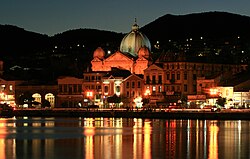
Located in the North Aegean region of Greece, Lesbos is an island of profound historical depth and diverse natural beauty. Known as the "Island of Poets," it has served as a cultural beacon for millennia, from the lyric poetry of antiquity to Nobel Prize-winning literature in the modern era. With its seat in the city of Mytilene, the island blends a complex political past with a rich culinary tradition and unique geological features.
From its early mentions in the Iliad to its role as a crossroads between the Byzantine, Genoese, and Ottoman Empires, Lesbos offers a window into the shifting powers of the Mediterranean. Today, it remains a vital regional unit of Greece, balancing its agricultural heritage with a growing interest in cultural tourism.
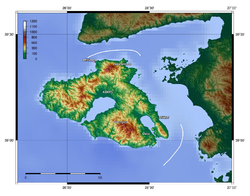
Key Facts
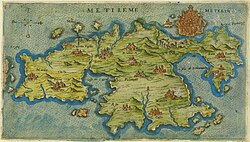
- Total Area: 1,633 km² (631 sq mi).
- Population: 83,755 (as of 2021).
- Administrative Seat: Mytilene.
- Highest Point: Mount Olympus, rising 967 metres.
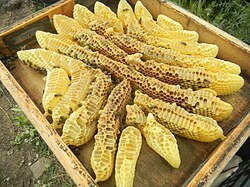
- Famous Exports: Ouzo Plomari, honey, and Ladotyri Mytilinis cheese.
- Notable Figures: The poet Sappho and Nobel laureate Odysseas Elytis.
A Journey Through History
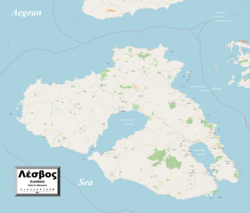
Ancient and Classical Era
The origins of Lesbos are steeped in legend and archaeology. According to later Greek writers, Mytilene was founded in the 11th century BC by the Penthilidae family from Thessaly. While archaeological records suggest a late Iron Age arrival of Greek settlers, Hittite archives indicate a Greek presence as far back as the Late Bronze Age. In Homer's Iliad, the island is described as part of the kingdom of Priam, ruling from Troy.
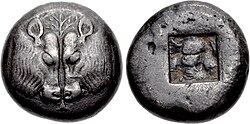
The island became a center for the arts, particularly poetry. Figures such as Sappho, Alcaeus, and Terpander flourished here, establishing the island's enduring reputation as a literary hub.
![Sappho listens as the poet Alcaeus plays a kithara. (Painting by Lawrence Alma-Tadema, 1881)[17]](/images/42/b9/42b9ceee825a8254d878f1f72dc42c2f12f7bd0308f82ed1d8158fb85cce8e0e.jpg)
Middle Ages to the Ottoman Period
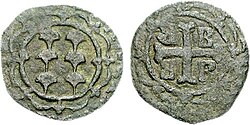
Following the Fourth Crusade (1202–1204), Lesbos passed to the Latin Empire before being reconquered by the Empire of Nicaea after 1224. The 14th century saw the influence of the Byzantine general Alexios Philanthropenos, who served as governor. Later, the island fell under Genoese rule before being conquered by the Ottoman Empire in 1462.
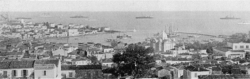
Ottoman rule persisted until 1912, when the island became part of the Kingdom of Greece during the First Balkan War.
Modern Era and Population Shifts
The 20th century brought significant demographic changes. Following World War I and the Greco-Turkish War (1919–1922), a population exchange saw local Muslims leave the island, while Greek refugees from Asia Minor settled in Lesbos. This period is commemorated in Mytilene by the "Statue of the Asia Minor Mother." During World War II, the island was occupied by Nazi Germany from 1941 until its liberation on September 10, 1944.
Geography and Natural Landmarks
Topography and Climate
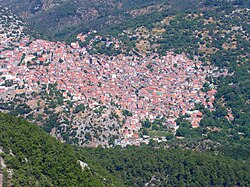
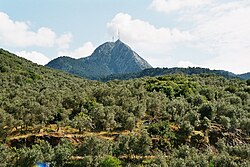
Lesbos is characterized by a varied landscape, with Mount Olympus serving as its highest peak at 967 metres. The climate is Mediterranean, with mild winters and warm, dry summers. Precipitation is highest in December and lowest in July.
Notable Sites
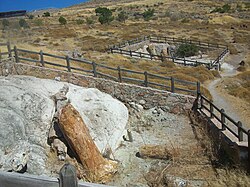
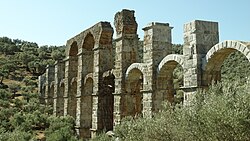
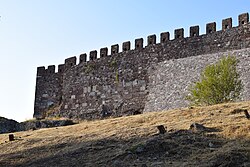
The island is home to several geological and architectural marvels. The Petrified Forest of Lesbos is one of the most significant sites, showcasing ancient fossilized trees. Architectural highlights include the Castle of Mytilene, the Roman Aqueduct of Mória, and various monasteries such as Taxiarchis and Ipsilou.
Culture and Economy
Culinary Specialties
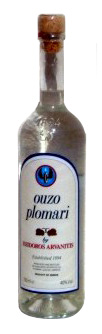
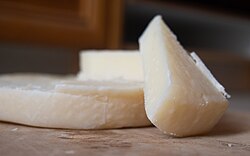
The economy of Lesbos is closely tied to its land and sea. The island is world-renowned for Ouzo, particularly from Plomari. Its gastronomy features unique local dishes such as Ladotyri Mytilinis (a traditional cheese), Sardeles from Kalloni, and various meat dishes prepared with quinces (Kydonato) or celery (Selinato).
Notable Residents
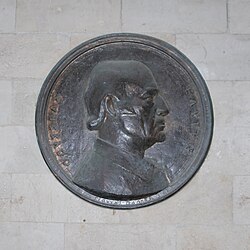
Beyond the ancient poets, Lesbos has produced influential figures across history, including the philosopher Theophrastus, the Ottoman admiral Hayreddin Barbarossa, and the 1979 Nobel Prize winner in Literature, Odysseas Elytis.
Regional Overview
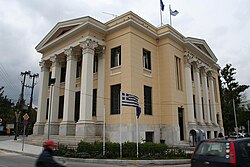
Administratively, Lesbos is a regional unit within the North Aegean. Since 2019, it has been divided into two municipalities: Mytilene and West Lesbos.
| Category | Details |
|---|---|
| Administrative Seat | Mytilene |
| Total Area | 1,633 km² |
| Population (2021) | 83,755 |
| Municipalities | Mytilene, West Lesbos |
| Key Infrastructure | National Roads EO36 and EO73 |
Frequently Asked Questions
Why is Lesbos called the "Island of Poets"?
The island earned this nickname due to the legacy of ancient lyric poets like Sappho and Alcaeus, as well as modern literary figures such as Nobel laureate Odysseas Elytis.
What is the Petrified Forest of Lesbos?
It is a world-renowned geological site featuring a vast collection of fossilized trees, providing critical evidence of the island's prehistoric volcanic activity and flora.
What are the main municipalities on the island?
Since 2019, the island has been divided into two municipalities: Mytilene and West Lesbos.
What is Ouzo Plomari?
Ouzo is a traditional anise-flavored aperitif, and Plomari is a town on Lesbos famous for producing some of the most recognized brands of this spirit.
When did Lesbos become part of Greece?
Lesbos became part of the Kingdom of Greece in 1912, following the First Balkan War, which ended centuries of Ottoman rule.