Piraeus: Greece's Premier Port and Historic Maritime Hub
Piraeus is far more than just a gateway to the Greek islands; it is a powerhouse of Mediterranean commerce and a city steeped in millennia of history. Located in the Attica region, Piraeus serves as the chief port of Greece and stands as one of the most significant maritime hubs globally. As the second-largest municipality within the Athens urban area, it blends a gritty industrial spirit with rich archaeological treasures and world-class sporting facilities.
Today, the city is a vital economic engine, hosting the 5th largest passenger port in Europe and the busiest container port in the Eastern Mediterranean. Its strategic importance is matched by its academic contributions, notably through the University of Piraeus, which houses the country's oldest academic department dedicated to finance and its second-oldest business school.
Key Facts
- Global Standing: 24th largest passenger port in the world and a top 10 European port for container traffic.
- Passenger Volume: Served approximately 4.37 million passengers in 2020.
- Container Capacity: Handles 5.44 million TEUs (Twenty-foot Equivalent Units).
- Demographics: Municipality population of 168,151 (2021), with a Greater Piraeus population of 448,051.
- Climate: The only area in Attica classified as having a hot semi-arid climate (BSh).
A Journey Through History
Ancient and Medieval Foundations
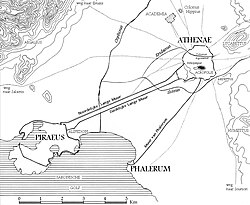
The strategic value of Piraeus was recognized as early as the 6th century BC. In 511 BC, the hill of Munichia was fortified by Hippias, and by 493 BC, the statesman Themistocles initiated extensive fortification works. He urged Athenians to abandon the sandy bay of Phaleron in favor of the natural harbors of Piraeus, a move that secured Athens' naval dominance. The port was a lucrative source of revenue, levying a 2 percent duty on goods; by 399 BC, it had collected 1,800 talents in dues despite the ravages of the Peloponnesian War.
From the Ottoman Period to Modernity
Following a period of decline, several attempts were made to repopulate the area during the Ottoman period, including efforts in 1792 and 1825. Permanent habitation only resumed in 1829, initially as a small fishing village. However, the 19th century sparked a rapid transformation. The completion of the Athens-Piraeus Railway in 1869 and the opening of the Corinth Canal in 1893 cemented its status as Greece's leading port.
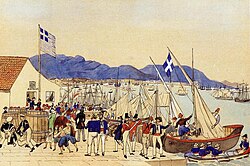
This era saw the construction of essential civic infrastructure, including the Town Hall, the Stock Exchange, and the Central Market. By the end of the 19th century, the population had grown to 51,020 people.
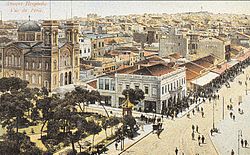
Geography and Climate
Piraeus is characterized by its coastal geography, with elevations ranging from sea level to a peak of 87 meters. It is unique in Attica for its hot semi-arid climate. This is evidenced by high minimum summer temperatures caused by land breezes from Athens. In July 2024, the city set a national record with minimum temperatures remaining above 30°C for 12 consecutive days.
| Metric | Annual Mean/Total | Summer Peak (July/Aug) | Winter Low (Jan/Feb) |
|---|---|---|---|
| Daily Mean Temp | ~19.4°C to 20.9°C | 28.8°C to 31.5°C | 11.1°C to 13.0°C |
| Daily Max Temp | ~22.8°C to 24.0°C | 32.8°C to 35.4°C | 14.1°C to 15.5°C |
| Average Rainfall | 302.2mm to 331.9mm | ~3mm to 12mm | ~36mm to 50mm |
Culture, Sport, and Landmarks
Archaeological and Architectural Heritage
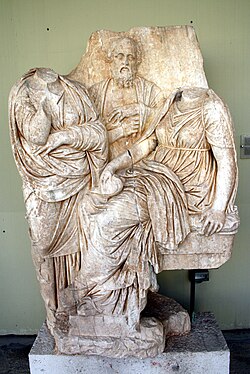
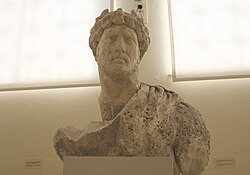
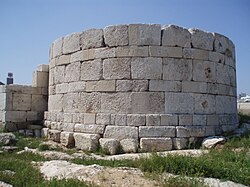
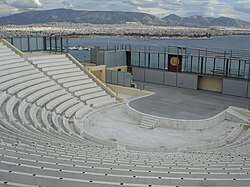
The city preserves a wealth of history, from the ancient gate of Eetioneia, built during the Peloponnesian War, to the colossal statue of Hadrian. Visitors can also explore the Veakeio Theater on the hill of Kastella, offering panoramic views of the Saronic Gulf and Mount Hymettus.
A Hub for Athletics
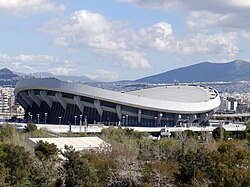
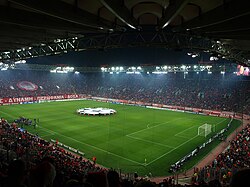
Piraeus is home to some of Greece's most prestigious sporting venues. The Karaiskakis Stadium, originally a bicycle track from 1885, was completely rebuilt for the 2004 Olympics and currently holds 33,334 spectators. Nearby, the Peace and Friendship Stadium serves as a premier indoor arena, having hosted the 1998 FIBA World Championship and EuroBasket 1987.
Maritime Industry and Global Trade
The modern era of the port has been defined by the investment of the China Ocean Shipping Company (COSCO). Since the 2008 financial crisis, COSCO has transformed the port's efficiency, increasing container traffic from 400,000 in 2008 to nearly five million by 2018. The port remains the primary hub for European trade with China via Greek shipping.
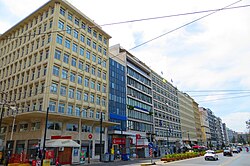
City Infrastructure and Landmarks
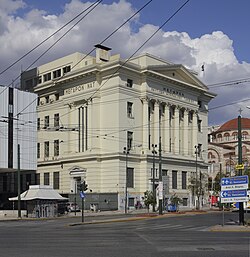
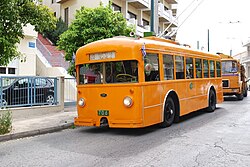
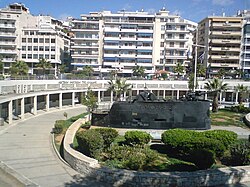
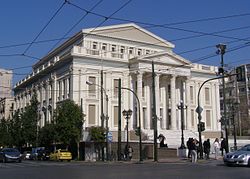
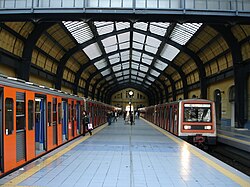
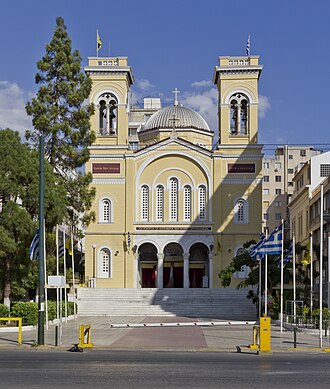
The urban landscape of Piraeus is dotted with significant landmarks, including the Hellenic Maritime Museum in Freatida, the Piraeus Municipal Theatre, and the Church of Saint Spyridon, the city's patron saint. Transport is facilitated by the Piraeus station and a network of roads connecting the various districts such as Kallipoli, Kastella, and Mikrolimano.
Frequently Asked Questions
What is the significance of the Port of Piraeus?
It is the chief port of Greece, the 5th largest passenger port in Europe, and the busiest container port in the Eastern Mediterranean, serving as a critical link for trade between Europe and Asia.
Which major sporting events has Piraeus hosted?
Piraeus hosted events for the 1896 and 2004 Summer Olympics. Specifically, the Karaiskakis Stadium served as a velodrome in 1896 and a football venue in 2004, while the Peace and Friendship Stadium hosted the 2004 volleyball tournament.
How has COSCO impacted the port?
The Chinese state-owned enterprise COSCO acquired the port following the 2008 financial crisis, leading to a massive increase in container traffic from 400,000 containers in 2008 to nearly five million by 2018.
What is the climate like in Piraeus?
Piraeus has a hot semi-arid climate (BSh), making it the only area in Attica to fall into this category. It is known for high minimum summer temperatures due to land breezes from Athens.
What are some of the most famous films shot in Piraeus?
The city has served as a backdrop for several films, including Never on Sunday, Stella (1955), and The Burglars starring Jean-Paul Belmondo.