Lekking: The Competitive World of Animal Mating Arenas
In the natural world, the quest for a mate often leads to some of the most spectacular displays of behavior. One of the most fascinating of these is lekking, a mating system where males gather in a communal area to compete for the attention of visiting females. A lek is essentially a biological "dance floor" or arena where males perform elaborate courtship rituals to prove their fitness.
While most commonly associated with birds, lekking is found across a diverse range of vertebrates and invertebrates. From the deep ocean to the rainforest canopy, this system emphasizes strong female choice and intense male competition.
Key Facts
- Definition: A lek is an aggregation of males gathered for competitive displays to entice females.
- Taxonomic Range: Occurs in birds, bony fish, amphibians, reptiles, mammals, and arthropods (insects and crustaceans).
- Mating Skew: Success is highly unequal; typically, 10–20% of males account for 70–80% of all matings.
- Female Role: Females are the primary selectors, surveying prospective partners to choose the most fit mate.
- Structure: Leks can range from a few individuals to groups of 200, often with a strict social hierarchy.
Types of Lekking Systems
Not all leks are organized the same way. Biologists generally categorize them based on the proximity of the competing males.
Classical Leks
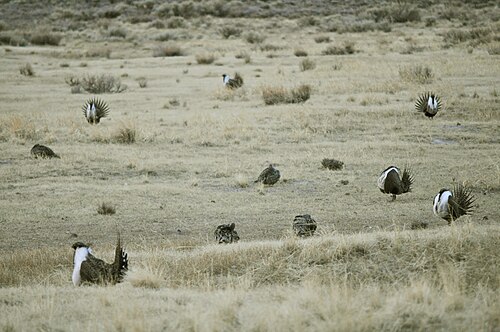
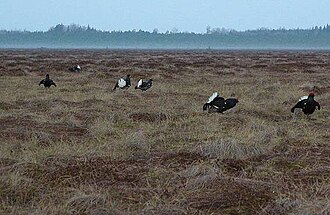
In a classical lek, male territories are positioned within both visual and auditory range of one another. This allows females to easily compare multiple suitors in one location. These arenas often feature a strict hierarchy where the most dominant males secure the most prestigious central territories.
![Sage grouse lek mating arena, in which each male, alpha-male (highest ranking), beta-male, gamma-male, etc., guards a territory of a few meters in size. The dominant males may each attract eight or more females.[36] Higher-ranking individuals have larger personal space bubbles.[37] Bird leks may have 10-200 individuals. A strict hierarchy accords the top-ranking males the most prestigious central territories. Females come to choose mates when the males' hierarchy is established, and preferentially mate with the dominants in the centre.](/images/62/4c/624c3e127f6ed2f2e4a6667bef048f956d270b040a27eedb9d4a1b21d4f9c934.jpg)
Exploded Leks
Some species utilize an "exploded" lek. In this version, territories are more widely separated, though the males remain within auditory range. The kākāpō (the owl parrot) is a primary example of this more dispersed arrangement.
The Mechanics of Male Success
Success in a lek is rarely random. A meta-analysis of 27 species indicates that several factors correlate positively with a male's ability to secure a mate. These include the overall size of the lek, the rate of the male's display, and his level of aggression toward other males.
Females typically prefer males with exaggerated physical traits, greater age, and a higher frequency of winning fights. This preference creates a significant mating skew, where a small minority of "alpha" males dominate the breeding season.
Theories on Lek Evolution
Scientists have proposed several models to explain why animals aggregate in this manner rather than seeking mates individually.
- Hotshot Hypothesis: This theory suggests that subordinate males gather around a particularly attractive "hotshot" male, hoping to intercept females drawn to the leader.
- Hotspot Model: This model proposes that males aggregate in areas that females naturally frequent, such as regions with plentiful food sources.
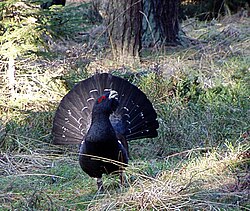
- Kin Selection: In some species, such as the black grouse, leks are composed of brothers and half-brothers, suggesting that males may benefit from helping their relatives attract mates.
- Predation Protection: Gathering in large groups may provide safety in numbers, reducing the individual risk of being hunted while displaying.
The Lek Paradox
One of the most enduring mysteries in evolutionary biology is the lek paradox. According to the theory of Fisherian runaway, strong female preference for specific traits should eventually erode genetic diversity, as only a few males pass on their genes. However, in nature, genetic diversity is maintained, and the "runaway" effect does not occur. While various theories attempt to resolve this, the paradox remains a subject of active scientific debate.
Summary of Lekking Characteristics
| Feature/Theory | Description | Example/Effect |
|---|---|---|
| Classical Lek | Males in visual and auditory range | Central territory dominance |
| Exploded Lek | Widely separated, auditory range only | Kākāpō (owl parrot) |
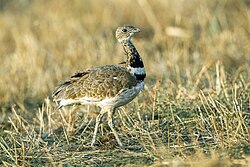
| Hotshot Model | Clustering around a dominant male | Little bustard |
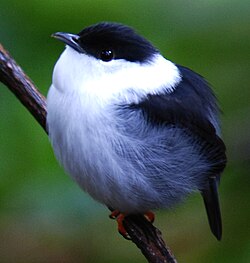
| Hotspot Model | Clustering near resource-rich areas | Manakins (fruit sources) |
| Mating Skew | High variance in reproductive success | 10-20% of males get 70-80% of mates |
Frequently Asked Questions
What does the word "lek" actually mean?
The term comes from the Swedish word lek, which means "play" or refers to pleasurable, less rule-bound games. It entered English usage in the late 1860s to describe the pairing grounds of game birds.
Which animals exhibit lekking behavior?
While most common in birds (like grouse and manakins), lekking is also found in some bony fish, amphibians (such as bullfrogs), reptiles, mammals (including some bats and deer), and arthropods like insects and crustaceans.
Why do females prefer the center of the lek?
In many lekking species, a strict hierarchy exists where the most dominant males secure the central territories. Females preferentially mate with these central males as they are often the most fit or experienced.
What is the main advantage for the female in a lek?
Lekking reduces the costs for females by allowing them to survey and compare many potential mates in a single location, ensuring they choose a partner with the best genetic traits for their offspring.
How does kin selection play a role in leks?
In some species, males that lek together are closely related. This suggests that by aggregating, they may indirectly increase the reproductive success of their kin, thereby ensuring their shared genetic lineage continues.