Law 1420: The Foundation of Argentina's Public Education System
In 1884, Argentina took a decisive step toward modernization with the passage of Law 1420 of General Common Education. This landmark legislation transformed the nation's social fabric by establishing a system of public, compulsory, free, and secular education. Passed during the administration of President Julio Argentino Roca, the law was the culmination of various provincial initiatives and the findings of the Pedagogical Congress of 1882.
By mandating primary education for all children between the ages of 6 and 14, the state ensured that every child had access to a nearby school. This initiative was designed to provide the essential knowledge required for personal and civic formation, removing financial barriers through gratuity and ensuring that instruction remained independent of religious influence.
Key Facts
- Year Passed: 1884 under President Julio Argentino Roca.
- Core Mandates: Education was made public, compulsory, free, and secular.
- Target Age: Mandatory for all children aged 6 to 14.
- Primary Goal: Reduction of illiteracy and national consolidation.
- Regional Context: Argentina implemented these laws decades before neighbors like Brazil (1934) and Peru (1941).
Historical and Political Context
The creation of Law 1420 occurred during a critical period of consolidation for the Argentine State, following years of internal division and civil wars. While the project was originally conceived by Domingo Faustino Sarmiento, it was enacted by President Julio Argentino Roca, a staunch advocate for the separation of Church and State.
This shift in authority caused significant friction among conservative and traditionalist sectors of society. For generations, the Catholic Church had been the primary provider of educational services; the transition to a state-run system represented a fundamental change in power and social influence.
Beyond political consolidation, the law served a vital social purpose. During the late 19th century, Argentina experienced a massive wave of European immigration. These newcomers brought a diverse array of languages, religions, and cultural backgrounds.
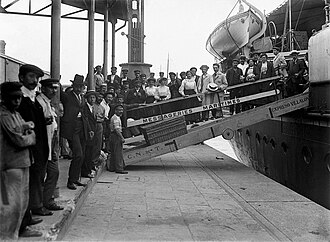
The public education system became a primary tool for integration. By teaching common values, a shared history, and a unified national identity, the schools helped diminish conflicts between different ethnic groups and forged a cohesive culture for the developing country.
The Conflict with the Catholic Church
The secular nature of the law—meaning it was nonreligious—triggered a fierce confrontation between the Argentine government and the Catholic Church. The Papal Nuncio, Luis Mattera, emerged as a leading critic, attempting to interfere in government affairs and even trying to block the arrival of secular school teachers hired from the United States.
Opposition manifested through various channels, including bishops' documents, Church newspapers, and sermons delivered from the pulpit. In Córdoba, the establishment of the first Normal School (a teacher-training institution) led to an open clash. The Capitular Vicar, Gerónimo Clara, denounced the school as an anathema, which resulted in his arrest and prosecution by national authorities.
The tension peaked when Mattera demanded that the Catholic religion be taught within the public establishments. The national government rejected these demands as interference by a foreign agent. Eventually, the conflict subsided when Mattera issued a private apology to President Roca.
Impact and Regional Comparison
Law 1420 had a profound effect on the Argentine population. Prior to its implementation, statistics indicated that over half of the population was illiterate. The law led to a dramatic increase in school attendance and a significant reduction in the number of people unable to read and write.
| Country | Year of Implementation |
|---|---|
| Argentina | 1884 |
| Chile | 1920 |
| Bolivia | 1920 |
| Brazil | 1934 |
| Peru | 1941 |
Frequently Asked Questions
What were the four main pillars of Law 1420?
The law established that education must be public, compulsory, free, and secular.
Who were the key political figures behind the law?
The project was created by Domingo Faustino Sarmiento and passed during the administration of President Julio Argentino Roca.
How did the law help European immigrants in Argentina?
It provided a common system of values, history, and identity, which helped integrate diverse ethnic groups and reduce social conflicts.
Why did the Catholic Church oppose Law 1420?
The Church opposed the secular nature of the education, as it removed the Church's traditional role as the primary provider of schooling and excluded religious instruction from the mandatory curriculum.
What was the result of the conflict between the government and the Papal Nuncio?
After attempting to impose religious requirements on public schools and facing government rejection, Papal Nuncio Luis Mattera eventually apologized to President Roca via a private letter.