Latin Jazz: The Fusion of Afro-Cuban and Brazilian Rhythms
Latin jazz is a vibrant, transcultural musical expression that blends the improvisational spirit of jazz with the rich rhythmic traditions of Latin America and the Caribbean. While often viewed as a subgenre, many scholars now argue that it is a global music, essential to the very emergence of early New Orleans jazz and its subsequent evolution in urban centers like New York City.
The genre is primarily rooted in the intersection of Afro-Cuban jazz and Brazilian music, creating a sophisticated dialogue between African rhythmic foundations and European harmonic structures.
Key Facts
- Origins: Primarily developed in Cuba, Brazil, and New York City.
- The "Spanish Tinge": Early jazz pioneers like Jelly Roll Morton viewed Cuban rhythmic elements as essential "seasoning" for jazz.
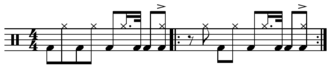
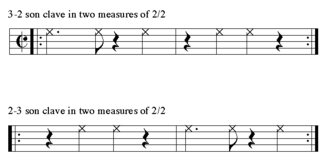
- The Clave: The rhythmic backbone of Afro-Cuban jazz, existing in 3-2 or 2-3 patterns.
- Pioneering Work: "Tanga" (1943) is recognized as the first true Latin jazz piece based on the clave.
- Bossa Nova: A Brazilian style that gained global popularity in the 1960s through artists like Stan Getz and João Gilberto.
The "Spanish Tinge" and Early Influences
Long before the formalization of Latin jazz, Cuban rhythms were subtly woven into early American jazz. W.C. Handy noted the powerful reaction audiences had to the habanera-tresillo bass line—a rhythmic cell common in Cuban music—which he incorporated into his 1914 classic "St. Louis Blues."
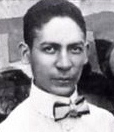
Jelly Roll Morton famously referred to this influence as the Spanish tinge, asserting that jazz could not achieve the "right seasoning" without it. This influence is evident in his 1910 composition "The Crave." However, these early works relied on single-celled motifs rather than the complex, two-celled structure known as the clave.
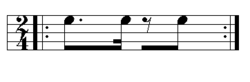
Other early examples of this proto-Latin influence include Juan Tizol and Duke Ellington's "Caravan" (1936). Later, musicians like Willie Bobo further expanded the palette by fusing jazz with Latin rhythms and R&B.
![Habanera rhythm[5]](/images/c7/ac/c7ac90f6b2d8872f9ed267435c1dece36349bf609d37c1d02cb86a186999f4c2.png)
The Birth of Jazz In-Clave
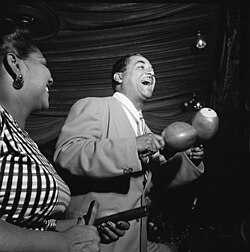
The transition from "tinged" jazz to true Latin jazz occurred with the introduction of the clave—a rhythmic pattern that serves as the structural anchor for the entire ensemble. The first piece to be overtly based in-clave was "Tanga" (1943), composed by Mario Bauzá and recorded by Machito and his Afro-Cubans.
"Tanga" began as a descarga (a Cuban jam session) with jazz solos superimposed. It featured a piano style called ponchando, a type of non-arpeggiated guajeo (ostinato) using block chords to emphasize attack points rather than melodic pitches.

Understanding the Clave
Mario Bauzá developed the terminology for the 3-2 and 2-3 clave. The distinction depends on where the chord progression begins: if it starts on the "three-side," it is in 3-2 clave; if it starts on the "two-side," it is in 2-3 clave. In North American charts, this is typically written in cut-time (2/2).
The Bebop Connection
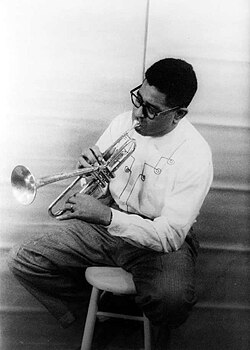
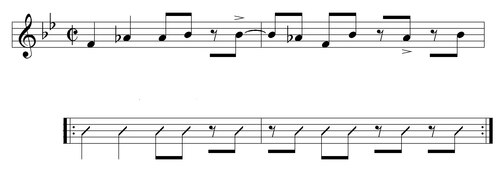
The fusion accelerated when Bauzá introduced bebop innovator Dizzy Gillespie to Cuban conga drummer Chano Pozo. Together, they co-wrote "Manteca" (1947), the first jazz standard rhythmically based on the clave. While Pozo created the layered guajeos of the A section, Gillespie composed the bridge.
Evolution in the 1950s and 1960s
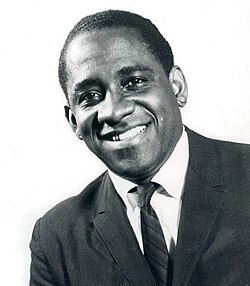
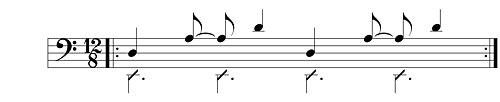
During this era, artists like Kenny Dorham and Hank Mobley continued to develop the Afro-Cuban sound. A landmark moment came in 1959 when Mongo Santamaría recorded "Afro Blue," the first jazz standard built on a 3:2 cross-rhythm, or hemiola. This created a complex tension where six cross-beats are played against four main beats.
The Bossa Nova Phenomenon
Parallel to the Afro-Cuban movement, Brazil produced Bossa Nova. This style gained international fame via the 1959 film Orfeu Negro (Black Orpheus) and the subsequent recordings of Charlie Byrd and Stan Getz. The 1964 album Getz/Gilberto sparked a worldwide boom, leading to collaborations with icons like Ella Fitzgerald and Frank Sinatra.

Expanding the Horizon: Avant-Garde and Global Influence
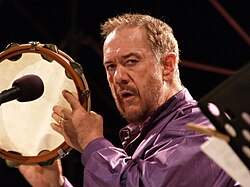
By the 1970s, Brazilian musicians began transcending the "Latin jazz" label. Airto Moreira introduced Afro-Brazilian folkloric instruments into avant-garde electric jazz, performing with Miles Davis and Weather Report. He utilized bells, shakers, and whistles to add evocative timbral textures to the music.
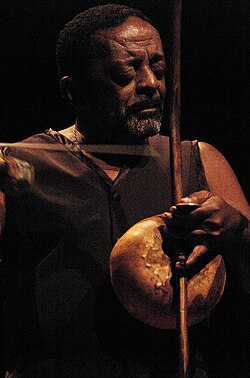
Similarly, Naná Vasconcelos utilized the berimbau (a single-string percussion bow) and Afro-Brazilian rhythms in collaborations with the Pat Metheny Group and Brian Eno, moving the music beyond traditional genre boundaries.
Summary of Latin Jazz Styles
| Style | Primary Origin | Key Rhythmic Feature | Notable Pioneers |
|---|---|---|---|
| Afro-Cuban Jazz | Cuba / NYC | Clave (3-2 / 2-3) | Mario Bauzá, Machito, Chano Pozo |
| Bossa Nova | Brazil | Syncopated snare rim / Samba base | João Gilberto, Stan Getz |
| Early "Tinged" Jazz | New Orleans | Habanera-Tresillo | Jelly Roll Morton, W.C. Handy |
| Avant-Garde Brazilian | Brazil / USA | Folkloric percussion / Timbre | Airto Moreira, Naná Vasconcelos |
Frequently Asked Questions
What is the "Spanish tinge"?
The "Spanish tinge" is a term coined by Jelly Roll Morton to describe the integration of Cuban rhythmic elements, specifically the habanera and tresillo, into early jazz compositions to provide a distinct rhythmic "seasoning."
What is the difference between 3-2 and 2-3 clave?
The difference depends on the starting point of the chord progression. If the progression begins on the side of the clave pattern with three notes, it is 3-2 clave; if it begins on the side with two notes, it is 2-3 clave.
Which piece is considered the first true Latin jazz composition?
"Tanga" (1943), composed by Mario Bauzá and recorded by Machito and his Afro-Cubans, is recognized as the first piece overtly based in-clave.
How does Bossa Nova differ from Afro-Cuban jazz?
While Afro-Cuban jazz is often characterized by the driving, structured pulse of the clave and big band arrangements, Bossa Nova is a Brazilian style known for its softer, syncopated rhythms and a fusion of samba with cool jazz harmonies.
Who was Chano Pozo?
Chano Pozo was a Cuban conga drummer who collaborated with Dizzy Gillespie. He was instrumental in creating the rhythmic foundations of "Manteca," one of the first jazz standards based on the clave.