Flushing Cemetery: A Historic Landmark of Queens, New York
Located in the borough of Queens, Flushing Cemetery is more than just a resting place; it is a living testament to the botanical and cultural history of New York City. Established in the mid-19th century, the cemetery is renowned for its lush greenery and the diverse array of notable figures interred within its grounds.
The beauty of the cemetery is no accident. Long before its founding, the community of Flushing was recognized as a center of scientific horticulture—the art and science of garden cultivation. This legacy persists today, as the cemetery's floral and arboreal landscapes serve as a permanent memorial to the area's horticultural roots.
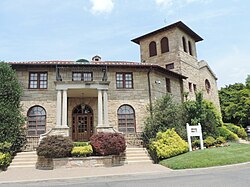
Key Facts
- Founded: May 5, 1853.
- Location: Flushing, Queens, New York City.
- Total Burials: Approximately 41,000 bodies.
- Original Size: 20 acres (John Purchase farm), later expanded by 50 acres (Whitehead Duryea farm).
- Notable Feature: The Quaker Burial Place of Flushing.
The History and Founding of Flushing Cemetery
The origins of Flushing Cemetery are tied to the civic leadership of the 1850s. On May 5, 1853—the same day the World's Fair opened at the New York Crystal Palace—the Flushing Cemetery Association received its charter. The association was formed by a group of civic-minded citizens, including Robert B. Parsons, Caleb Smith, William Leonard, Henry Christie, and Reverend John Gilder.
The original site was a 20-acre plot known as the John Purchase farm, which was plotted by civil engineer Horace Daniels. As the needs of the community grew, the cemetery expanded in 1875 with the purchase of the adjoining 50-acre Whitehead Duryea farm.
The Quaker Connection
Around 1860, the Bayside Quakers and their associates acquired a half-acre plot in the western portion of Section I. Now known as the Quaker Burial Place of Flushing, this specific area contains 43 burials, contributing to the total of 109 Quaker interments within the wider cemetery.
Botanical Preservation
The cemetery's reputation for beauty was maintained by dedicated keepers, most notably Roland Schultheis. Schultheis was a descendant of the Schultheis Brothers, who operated the largest nurseries in Europe in Frankfurt, Germany. This ancestral expertise in botany helped preserve the cemetery's unique aesthetic and greenery.
Notable Burials
Flushing Cemetery is the final resting place for a wide spectrum of historical figures, from jazz legends and political leaders to controversial personalities.
| Name | Profession/Significance |
|---|---|
| Louis Armstrong | Legendary trumpeter and singer |
| Dizzy Gillespie | Influential jazz trumpet player |
| Eugene Bullard | First African-American military pilot |
| Bernard Baruch | Prominent businessman |
| Vincent Sardi Sr. | Famous restauranteur |
| Barney Corse | Quaker abolitionist |
| Albert Fish | Serial killer and cannibal |
Frequently Asked Questions
When was Flushing Cemetery established?
Flushing Cemetery was founded on May 5, 1853, the same day the World's Fair opened at the New York Crystal Palace.
Who is the most famous musician buried there?
The cemetery is well-known for being the resting place of jazz icon Louis Armstrong, as well as other musicians like Dizzy Gillespie, Johnny Hodges, and Hazel Scott.
What is the Quaker Burial Place of Flushing?
It is a half-acre section located in the western half of Section I, established around 1860 for the Bayside Quakers and their neighbors.
How many people are buried in Flushing Cemetery?
Approximately 41,000 bodies are buried at the site, with thousands more holding reservations.
Why is the cemetery known for its plants and trees?
Flushing was historically a center of scientific horticulture. This tradition was maintained by managers like Roland Schultheis, whose family ran world-famous nurseries in Germany.