Afro-Cuban Jazz: The Fusion of Clave Rhythms and Bebop
Afro-Cuban jazz stands as the earliest form of Latin jazz, representing a sophisticated marriage between the complex harmonies and improvisational techniques of jazz and the deep, ritualistic rhythms of Afro-Cuban music. At its core, this genre is defined by the clave—a rhythmic pattern that serves as the structural foundation for the entire ensemble.
The genre emerged in the early 1940s in New York City, driven by the creative synergy of Cuban musicians and American jazz innovators. By blending the rhythmic drive of the Caribbean with the harmonic freedom of the East Coast jazz scene, these artists created a sound that would eventually influence global music, from the mambo craze to modern salsa.
Key Facts
- Origins: Emerged in the 1940s in New York City via musicians like Mario Bauzá and Machito.
- Core Element: Based on the clave, a two-cell rhythmic pattern (3-2 or 2-3).
- Cubop: A term used to describe the early fusion of Cuban rhythms with bebop.
- Key Pioneers: Mario Bauzá, Machito, Dizzy Gillespie, and Chano Pozo.
- Defining Work: "Tanga" (1943) is widely considered the first in-clave jazz piece.
The "Spanish Tinge": Early Cuban Influence
Long before the formal birth of Afro-Cuban jazz, a "Spanish tinge" permeated early American jazz. In the 19th century, the habanera—the first written music based on an African motif—became internationally popular. This rhythm, a combination of the tresillo (a rhythmic cell) and the backbeat, traveled between Havana and New Orleans via frequent ferry routes.
By the turn of the 20th century, the tresillo/habanera figure was a staple of African-American popular music, appearing in ragtime, the cakewalk, and early New Orleans jazz. A notable example is W. C. Handy's "St. Louis Blues" (1914), which features a habanera/tresillo bass line.
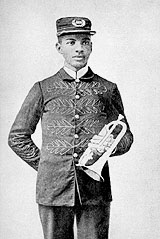
While early jazz often used single-celled motifs like the tresillo, it lacked the overt two-celled clave structure. For instance, Juan Tizol's "Caravan" (1936) is an early pre-Latin jazz piece that is not clave-based. Conversely, Louis Armstrong's 1930 rendition of "The Peanut Vendor" is firmly in-clave, utilizing a guajeo (an Afro-Cuban ostinato or repeated melodic pattern) as a counterpoint to the melody.
Mario Bauzá and the Birth of the Clave-Based Jazz
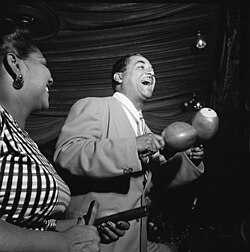
The transition to true Afro-Cuban jazz is credited to Mario Bauzá and Machito (Frank Grillo). Their 1943 composition "Tanga" is recognized as the first jazz piece based strictly in-clave. The song evolved from a descarga—a Cuban jam session—where jazz solos were superimposed over traditional rhythms.
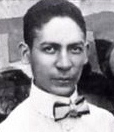
Machito and his Afro-Cubans introduced several groundbreaking innovations to the music scene:
- Big Band Integration: They were the first to combine big band arranging with a rhythm section based on Afro-Cuban patterns.
- Racial Integration: They formed the first multi-racial band in the United States.
- Clave Terminology: Bauzá developed the 3-2 and 2-3 clave concepts, defining whether a chord progression begins on the "three-side" or the "two-side" of the rhythm.
Dizzy Gillespie and the "Cubop" Era
In 1947, bebop trumpeter Dizzy Gillespie collaborated with percussionist Chano Pozo, bringing instruments like the tumbadora (conga) and bongo into the mainstream jazz scene. Their co-written piece "Manteca" became the first jazz standard rhythmically based on the clave.
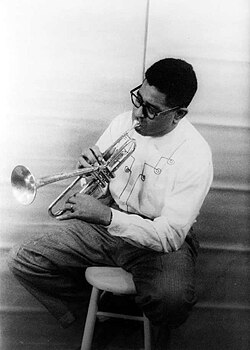
Unlike the modal structure of "Tanga," "Manteca" utilized a typical jazz harmonic structure with a bridge, creating a template for many "Latin tunes" in the jazz repertoire. This style, often featuring a "Latin" A section and a swung B section, became a hallmark of the era, known as "Cubop."
Evolution from the 1950s to the 1980s
The genre continued to evolve through the mid-century. In 1959, Mongo Santamaría recorded "Afro Blue," the first jazz standard built on a 3:2 cross-rhythm, or hemiola.
By the 1980s, a new generation of New York City musicians, such as Jerry and Andy González, began blending salsa dance music with jazz. The González brothers, through their band Libre, experimented by recording jazz standards like Charlie Parker's "Donna Lee" as a danzón and Miles Davis's "Tune Up" as a conga de comparsa.
The Cuban Branch and Irakere
While Afro-Cuban jazz flourished in New York, its development in Cuba was more subtle until the 1970s. The emergence of the band Irakere in 1973, led by Chucho Valdéz and Paquito D'Rivera, marked a turning point. Irakere fused jazz with Cuban folk elements, creating a "Cubanized" bebop style.
Later, pianist Gonzalo Rubalcaba further revolutionized the genre in the 1980s with innovative jazz guajeos, benefiting from Cuba's rigorous music education system. Despite this progress, some modern musicians, such as Dafnis Prieto and Alain Pérez, have begun to move away from strict "clave rules," treating the rhythm with more flexibility.
| Category | Details |
|---|---|
| Primary Rhythms | Clave (3-2 / 2-3), Tresillo, Habanera, Hemiola |
| Key Instruments | Piano, Congas, Trumpet, Trombone, Bass Guitar, Claves, Timbales, Bongos, Saxophone, Clarinet |
| Defining Genres | Cubop, Bebop, Son Montuno, Mambo |
| Pivotal Compositions | "Tanga", "Manteca", "Afro Blue" |
Frequently Asked Questions
What is the difference between the 3-2 and 2-3 clave?
The difference depends on where the chord progression begins. If the progression starts on the three-side of the clave pattern, it is in 3-2 clave; if it starts on the two-side, it is in 2-3 clave.
What is "Cubop"?
Cubop is a portmanteau of "Cuban" and "bebop," referring to the early collaborations between bebop musicians like Dizzy Gillespie and Afro-Cuban percussionists like Chano Pozo.
What is a guajeo?
A guajeo is an Afro-Cuban ostinato—a repeated melodic or rhythmic pattern—that often provides a counterpoint to the main melody in Latin jazz and salsa.
Who created the first in-clave jazz piece?
Mario Bauzá composed "Tanga" in 1943, which is widely recognized by musicologists as the first jazz piece based strictly on the clave rhythm.
How did the habanera influence early jazz?
The habanera introduced an African-based rhythmic motif to the U.S. via Havana and New Orleans, becoming a consistent part of African-American popular music and early jazz repertoires long before the formal emergence of Afro-Cuban jazz.