Landscaping Principles and Practices for Outdoor Design
Landscaping is the comprehensive process of modifying the visible features of an area of land to improve its aesthetic appeal or functional utility. While often associated with gardening—the art of growing plants to create beauty—true landscaping encompasses a much broader scope. It blends horticulture (the science of plant cultivation) with artistic design to transform outdoor environments.
Modern designers often view outdoor spaces as an extension of a home's interior rooms, assigning specific functions to different areas. Because outdoor spaces offer immense flexibility in materials and purpose, the primary limitation is often only the designer's imagination.
The Core Elements of Landscaping
Landscaping involves the manipulation of three primary types of elements to achieve a desired result:
- Living Elements: This includes flora (plants) and fauna (animals). This is the most common aspect of landscaping, focusing on the growth and arrangement of greenery.
- Natural Abiotic Elements: These are non-living physical features, such as terrain shape, elevation, landforms, and bodies of water.
- Abstract Elements: These include environmental factors that influence the mood and visibility of a space, such as lighting conditions and weather.
When a project is designed purely for aesthetic improvement, it is referred to as Ornamental Landscaping. However, landscaping also includes structural changes to enhance usability, such as the installation of walkways, patios, ponds, and other water features.
Understanding and Preparing the Land
Successful landscaping begins with a deep understanding of the specific site. Because environmental conditions vary by region, consulting local experts is highly recommended. Designers must analyze several critical factors before beginning construction:
- Environmental Factors: The position of the sun, prevailing wind patterns, and the depth of the frost line.
- Physical Geography: Topography, terrain, and existing soil qualities.
- Biological Systems: The existing system of native flora and fauna.
Land Modification and Soil Management
If the land is not naturally fit for the intended design, it must be reshaped. This process is known as grading, which directs water flow to ensure appropriate drainage. Grading often involves two primary actions: cutting (the removal of earth) and filling (adding earth to a slope). During this stage, designers must also plan for the removal of rocks, soil, and landfills (excessive waste).
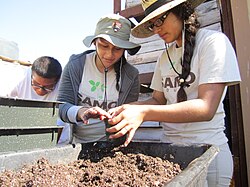
For larger projects like sports fields, reserves, or public parks, soil amelioration may be necessary. This is the process of adding nutrients to the soil to improve its quality and support the growth of turf or other plants.
Implementation and Technical Execution
The process typically begins with a landscaping contractor providing a statement containing a rough design and layout. While the art is rooted in nature, modern execution is highly technological, relying on tools such as bulldozers, chainsaws, and lawnmowers.
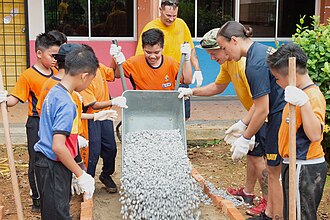
To ensure plant health, timing and nutrition are key. New grass is ideally planted during the spring or fall to maximize growth and limit the spread of weeds. Additionally, the use of organic or chemical fertilizers is generally required for optimal growth. For large areas where plants may not be the primary focus, some designers use a mix of gravel and rocks of varying sizes to create visual interest.
Key Facts
- Grading is the reshaping of land to ensure proper water drainage.
- Soil Amelioration involves adding nutrients to soil to improve plant and turf growth.
- Ornamental Landscaping refers specifically to changes made for aesthetic purposes.
- Cutting and Filling are the processes of removing and adding earth to modify slopes.
- Seasonal Timing: Spring and fall are the optimal seasons for planting new grass.
| Term | Definition | Primary Purpose |
|---|---|---|
| Grading | Reshaping the land surface | Drainage and leveling |
| Soil Amelioration | Adding nutrients to the soil | Improving plant growth |
| Cutting | Removal of earth from the land | Terrain modification |
| Filling | Adding earth to a slope | Terrain modification |
| Horticulture | The art/science of growing plants | Beauty and plant health |
Frequently Asked Questions
What is the difference between landscaping and gardening?
Gardening is a subset of landscaping that focuses specifically on the art and craft of growing plants. Landscaping is a broader term that includes gardening as well as the modification of landforms, water features, and abiotic elements.
What is grading and why is it important?
Grading is the process of reshaping the land. It is essential because it ensures that water is directed away from structures and drains properly, preventing flooding or erosion.
When is the best time to plant new grass?
New grass should ideally be planted during the spring or fall. These seasons provide the best conditions to maximize growth while minimizing the spread of weeds.
What is soil amelioration?
Soil amelioration is the process of improving the quality of the soil by adding nutrients. This is commonly used in large-scale projects like parks or sports fields to ensure turf and plants thrive.
What are the three main elements used in landscaping?
Landscaping utilizes living elements (flora and fauna), natural abiotic elements (landforms and water), and abstract elements (lighting and weather).