The Science and Cultivation of Fruit Trees: A Comprehensive Guide
Fruit trees play a vital role in our ecosystem and our food systems. While all flowering plants technically produce fruit—defined biologically as the ripened ovaries of flowers containing one or more seeds—the term "fruit tree" has a more specific meaning in the world of gardening and agriculture. In horticultural practice, the term is specifically reserved for trees that provide fruit intended for human consumption.
This diverse category includes not only the fleshy fruits we often think of but also certain nut-bearing trees, such as walnuts, which are valued in a culinary context.
The Science of Pomology
The scientific study and cultivation of fruit is known as pomology. Pomologists categorize fruits into various groups based on their plant morphology (the study of the form and structure of plants) and anatomy.
Classification by Morphology
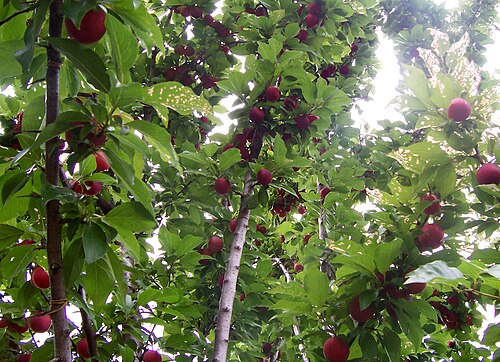
One of the primary ways to classify these trees is by the structure of the fruit they bear. For example, pome fruits include well-known varieties such as apples and pears. Another major category is stone fruits, also known as drupes, which include peaches, nectarines, apricots, plums, and cherries.
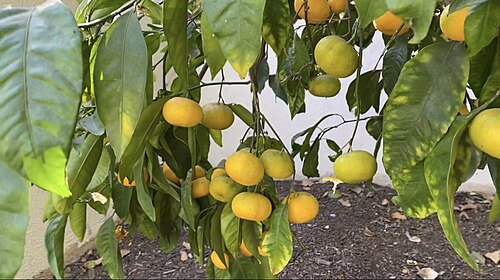
Citrus trees represent another essential group, providing a wide array of fruits including oranges, lemons, limes, grapefruit, and pomelos.
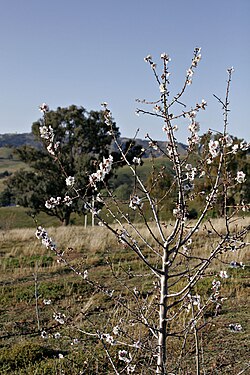
Interestingly, some trees that produce nuts are also classified within these botanical frameworks; for instance, the almond is considered a stone fruit.
Key Facts
- Pomology is the formal scientific study of fruit cultivation.
- Fruit is biologically defined as the ripened ovary of a flowering plant.
- Stone fruits (drupes) include varieties like peaches, plums, and almonds.
- Fruit trees are often more resilient to rainfall variability than annual crops due to their perennial growth habit and deep root systems.
- Climate change is significantly altering flowering patterns and production requirements globally.
Advantages and Resilience of Fruit Trees
Compared to annual crops, fruit trees offer unique biological advantages. Because they are perennial—meaning they live for many years—and possess deep root systems, they are often better equipped to withstand fluctuations in rainfall. This structural stability allows them to maintain productivity even when water availability varies.
Environmental Challenges and Climate Change
Despite their natural resilience, fruit trees face significant threats from a changing climate. The impact of these changes varies depending on the specific tree species and the geographical region.
Regional Climate Impacts
In Japan, annual temperatures rose at a rate of 0.124 °C per decade between 1898 and 2019. This warming trend has influenced flowering times and contributed to a physiological condition known as "flowering disorder" in Japanese pears, which can manifest as abnormal flowering, abnormal dormancy, or both.
In Australia, the fruit farming industry is expected to undergo a major shift by 2030. This is largely due to changes in the winter chill period, a specific duration of cold temperatures that many fruit trees require to produce fruit effectively.
Weather Extremes and Soil Health
Beyond temperature shifts, climate change introduces extreme weather events such as early spring frosts, late frosts, flooding, droughts, and intense heat. Severe droughts and floods can stunt tree growth and increase susceptibility to pests and diseases, while extreme heat can cause direct damage to the developing fruit while it is still on the tree.
These challenges are further complicated by a global trend of reduced organic matter in soil. To combat this and ensure consistent crop quality and yield, growers are increasingly looking toward innovative water conservation and management strategies.
Summary of Fruit Classifications
| Fruit Group | Description | Examples |
|---|---|---|
| Pome Fruits | Fruits with a central core | Apples, Pears, Crab apples, Quince |
| Stone Fruits | Fruits with a single hard pit (drupes) | Peaches, Nectarines, Apricots, Plums, Cherries, Almonds |
| Citrus | Acidic, segmented fruits | Oranges, Lemons, Limes, Grapefruit, Pomelo, Ugli fruit |
| Nut-bearing | Trees used for culinary nuts | Walnuts, Pecans, Pistachios, Cashews |
Frequently Asked Questions
What is pomology?
Pomology is the branch of botany that deals with the scientific study, cultivation, and management of fruit and nut trees.
How do fruit trees differ from annual crops in terms of resilience?
Fruit trees are generally more resilient to rainfall variability because they are perennial plants with deep root systems, whereas annual crops typically have shallower roots and shorter life cycles.
What is a "stone fruit"?
A stone fruit, or drupe, is a type of fruit that features a fleshy exterior surrounding a single, hard shell (the "stone" or pit) that contains the seed. Examples include plums, peaches, and cherries.
How does climate change affect fruit production?
Climate change affects production by altering flowering times, disrupting necessary winter chill periods, and increasing the frequency of extreme weather like droughts, floods, and heatwaves, which can damage trees and increase disease susceptibility.
What is "flowering disorder" in Japanese pears?
Flowering disorder is a physiological issue caused by rising temperatures that results in abnormal flowering patterns or irregular dormancy periods in the tree.