Karl von Weizsäcker: Prime Minister of the Kingdom of Württemberg
Karl Hugo Freiherr von Weizsäcker was a distinguished German politician who played a pivotal role in the administration of the Kingdom of Württemberg during the early 20th century. As a member of the prominent Weizsäcker family, his career spanned the transition from the height of the German monarchy to the establishment of the Weimar Republic.
Key Facts
- Role: Served as the Minister-President (Prime Minister) of the Kingdom of Württemberg from 1906 to 1918.
- Nobility: Raised to the nobility as "von Weizsäcker" and later granted the hereditary title of Freiherr (Baron) in 1916.
- Education: Alumnus of the University of Tübingen.
- Legacy: Grandfather to physicist Carl Friedrich von Weizsäcker and former German President Richard von Weizsäcker.
Early Life and Education
Born on February 25, 1853, in Stuttgart, Karl Hugo Weizsäcker was the son of Karl Heinrich Weizsäcker, a theologian, and Auguste Sophie Christiane Dahm. He pursued his higher education at the University of Tübingen, preparing him for a career in public service.
His entry into the nobility was a result of his political service at the court of the Kingdom of Württemberg, where his family was eventually granted the "von" prefix.
Political Career and Rise to Power
Weizsäcker's ascent within the administration of King William II of Württemberg was marked by steady progression. On February 24, 1897, he was officially raised to the nobility. By 1900, he had attained the position of Minister of Culture, a role he held for six years.
On December 4, 1906, Weizsäcker was appointed Minister-President of the Kingdom of Württemberg. He led the government for over a decade, serving until November 6, 1918. His tenure concluded shortly before the monarchy was abolished during the German Revolution of 1918–1919.
In recognition of his service, Weizsäcker and his family were elevated to the hereditary title of Baron (Freiherr) in 1916.
Personal Life and Family Legacy
Karl von Weizsäcker was married to Paula von Meibom. Together, they had a son, Ernst von Weizsäcker (1882–1951), who later served as the Ambassador to the Holy See.
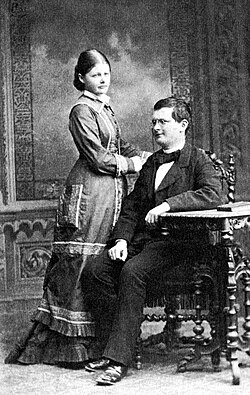
The Weizsäcker lineage continued to influence German intellectual and political life through Karl's grandsons. His descendants include the renowned physicist Carl Friedrich von Weizsäcker and Richard von Weizsäcker, who served as the President of Germany from 1984 to 1994.
Karl von Weizsäcker passed away on February 2, 1926, in Stuttgart, which by then had become part of the Free People's State of Württemberg within the Weimar Republic.
Summary of Career and Personal Details
| Attribute | Details |
|---|---|
| Born | February 25, 1853 (Stuttgart) |
| Died | February 2, 1926 (Stuttgart) |
| Education | University of Tübingen |
| Minister of Culture | 1900 – 1906 |
| Minister-President | 1906 – 1918 |
| Monarch Served | King William II of Württemberg |
| Spouse | Paula von Meibom |
Frequently Asked Questions
What was Karl von Weizsäcker's highest political office?
He served as the Minister-President (Prime Minister) of the Kingdom of Württemberg from 1906 until 1918.
What does the title "Freiherr" mean?
Freiherr is a German noble title translated as Baron. While it was a legal class title before 1919, it is now regarded as part of the surname in modern German naming conventions.
When did Karl von Weizsäcker enter the nobility?
He was first raised to the nobility on February 24, 1897, and later received the hereditary title of Baron in 1916.
Who were some of his notable descendants?
His son was Ernst von Weizsäcker, an Ambassador to the Holy See, and his grandsons were the physicist Carl Friedrich von Weizsäcker and Richard von Weizsäcker, the President of Germany (1984–1994).
Why did his term as Minister-President end in 1918?
His term ended on November 6, 1918, coinciding with the German Revolution of 1918–1919, which led to the abolition of the monarchy.