Jus Soli: The Global Landscape of Birthright Citizenship
In the complex world of international law, the question of who belongs to a nation often comes down to two competing legal principles: where you were born and who your parents are. Jus soli, a Latin term meaning "right of soil," is the legal principle that grants nationality or citizenship to any person born within the territory of a state, regardless of the parents' nationality.
This concept stands in direct contrast to jus sanguinis ("right of blood"), a principle associated with the French Civil Code of 1804, where citizenship is inherited through parentage. While jus soli was a cornerstone of English common law, its application varies wildly across the modern globe, reflecting different historical priorities and political climates.
The Geography of Birthright Citizenship
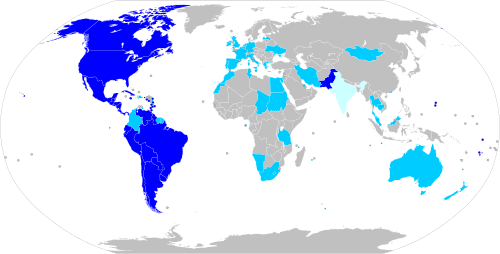
Jus soli is most prevalent in the Americas. This geographical concentration is largely attributed to the history of European colonial powers, who implemented lenient citizenship laws to attract immigrants from the Old World and displace indigenous populations. Furthermore, the rise of independence movements and the subsequent abolition of slavery in the 19th century led many American nations to widen their definitions of citizenship to ensure social integration.
Currently, 35 countries provide citizenship unconditionally to anyone born within their borders. However, many other nations employ "mixed systems." These countries may grant jus soli citizenship only to children who would otherwise be stateless (having no nationality), such as children born to unwed mothers or parents from countries that do not recognize maternal citizenship.
Other mixed systems impose residency requirements, demanding that parents live in the country for a specific number of years before a child becomes eligible for citizenship. Many of these restrictions were developed after World War II to fulfill treaty obligations and protect vulnerable stateless persons.
Key Facts
- Definition: Jus soli ("right of soil") grants citizenship based on place of birth.
- Global Distribution: It is the predominant rule in the Americas, with 35 countries offering it unconditionally.
- Contrast: It differs from jus sanguinis, which grants citizenship based on bloodline/parentage.
- Statelessness: Mixed systems often use limited jus soli to prevent children from being born without any nationality.
- Trends: Many countries are currently restricting jus soli to combat "birth tourism" and illegal immigration.
Regional Variations and Legal Shifts
Africa and Asia
In Africa, practices vary. Chad allows individuals to choose between Chadian citizenship or that of their parents at age 18. Tanzania's 1995 Act technically grants citizenship to those born within its borders after April 26, 1964, though official practice generally requires descent from a Tanzanian parent.
In Asia, Cambodia grants citizenship to children of foreign parents if both parents were born in Cambodia and are legal residents. Iran provides citizenship to those born in the country if one or both parents were also born in Iran; otherwise, residency requirements apply after the individual reaches age 18.
Europe
European nations often use highly conditional systems. Greece grants nationality to those born in its territory if they do not acquire another nationality. Since 2015, children of foreign parents can acquire Greek nationality through a combination of primary school attendance and legal residency (5 to 10 years). Luxembourg and Malta also utilize mixed systems, often requiring at least one parent to have been born in the country or to have maintained long-term residency.
North America
The United States has historically been a primary example of unconditional jus soli. This was highlighted in a recent legal conflict: on January 20, 2025, an executive order was signed attempting to end birthright citizenship by requiring at least one parent to be a citizen or lawful permanent resident. However, on June 30, 2026, the Supreme Court rejected this order in Trump v. Barbara, reaffirming that all persons born in the U.S. are citizens.
The Move Toward Restriction
In recent decades, several nations have moved to abolish or restrict jus soli to discourage birth tourism (traveling to a country specifically to give birth to secure citizenship) and illegal immigration. For example, the British Nationality Act 1981 introduced restrictions, and New Zealand abolished unrestricted birthright citizenship in 2005.
India provides a clear example of this evolution. While those born in India between 1950 and 1987 were citizens regardless of parentage, laws were tightened in 1987 and again in 2008. Now, a person born in India is a citizen only if at least one parent is a citizen and the other is either a citizen or a legal migrant.
| Principle | Basis of Citizenship | Primary Regions | Common Goal |
|---|---|---|---|
| Jus Soli | Territory (Soil) | The Americas | Integration and Immigration Growth |
| Jus Sanguinis | Ancestry (Blood) | Europe, Asia | Preservation of National Identity |
| Mixed Systems | Both/Conditional | Global | Reduction of Statelessness |
Frequently Asked Questions
What is the difference between jus soli and jus sanguinis?
Jus soli grants citizenship based on the location of birth (the "right of soil"), whereas jus sanguinis grants citizenship based on the nationality of the parents (the "right of blood").
Why is birthright citizenship more common in the Americas?
It was historically used by colonial powers to encourage immigration from Europe and was later expanded by independence movements to facilitate the abolition of slavery and social integration.
What is "birth tourism"?
Birth tourism occurs when individuals travel to a country with unconditional jus soli laws to give birth, ensuring their child acquires that country's citizenship regardless of the parents' status.
How do mixed systems prevent statelessness?
Mixed systems may grant citizenship to children born in their territory if the child is not eligible for any other nationality, ensuring that no child is left without a legal identity or state protection.
Can a country change its jus soli laws?
Yes. Many countries, including India and New Zealand, have restricted or abolished unconditional birthright citizenship to control immigration and prevent the exploitation of citizenship laws.