Jurassic Period: The Age of Giants and Evolutionary Radiations
The Jurassic Period represents a pivotal chapter in Earth's history, spanning from approximately 201.4 to 143.1 million years ago. Nestled within the Mesozoic Era, this period witnessed profound shifts in continental geography, dramatic climatic changes, and the spectacular radiation of life forms that would define the prehistoric world. From the rise of iconic dinosaurs to the diversification of marine reptiles and early mammals, the Jurassic was a time of immense biological innovation.
Key Facts
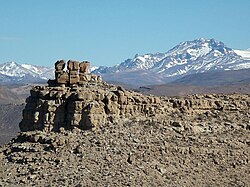
- Time Span: Approximately 201.4 ± 0.2 to 143.1 ± 0.6 million years ago.
- Geologic Era: Part of the Mesozoic Era, following the Triassic.
- Subdivisions: Divided into three stages: Early (Lower), Middle, and Late (Upper) Jurassic.
- Major Life Forms: Characterized by the dominance of dinosaurs, ichthyosaurs, plesiosaurs, and various gymnosperms.
- Geological Context: Marked by significant tectonic activity and the breakup of the supercontinent Pangea.
Chronology and Stratigraphy
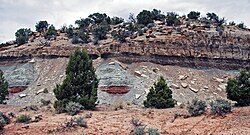
The Jurassic is scientifically organized into three distinct stages. The Early Jurassic begins with the Hettangian stage, following the Triassic–Jurassic extinction event. The Middle Jurassic follows, and the period concludes with the Late Jurassic, transitioning into the Cretaceous Period.
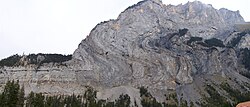
The Three Stages of the Jurassic
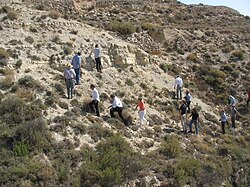
To understand the progression of this era, geologists divide it into specific ages:
- Early Jurassic: Includes the Hettangian, Sinemurian, Pliensbachian, and Toarcian stages.
- Middle Jurassic: Comprises the Aalenian, Bajocian, Bathonian, and Callovian stages.
- Late Jurassic: Consists of the Oxfordian, Kimmeridgian, and Tithonian stages.
| Jurassic Subdivision | Stages/Ages Included | Approximate Time Range (Ma) |
|---|---|---|
| Early Jurassic | Hettangian to Toarcian | 201.4 – 184.2 |
| Middle Jurassic | Aalenian to Callovian | 174.7 – 165.3 |
| Late Jurassic | Oxfordian to Tithonian | 161.5 – 145.0 |
Paleogeography and Tectonics
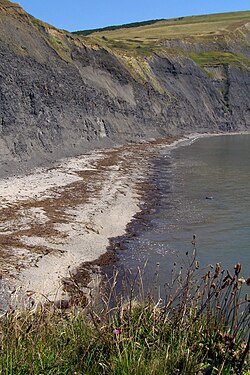
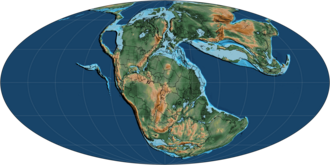
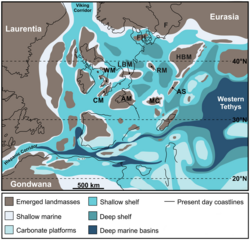
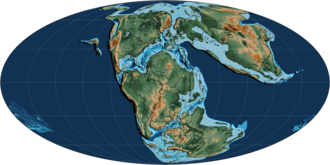
During the Jurassic, the Earth's surface underwent massive transformations. The supercontinent Pangea began to fragment, leading to the formation of new ocean basins. This tectonic movement significantly influenced global climate patterns and marine ecosystems.
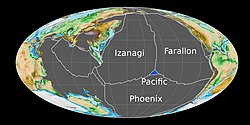
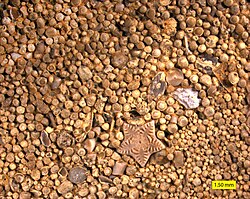
The movement of tectonic plates, such as the formation of the Pacific Plate during the Early Jurassic, reshaped the coastlines and created diverse habitats ranging from shallow seas to vast inland basins. These changes are visible in the fossil record through varying sedimentary layers found globally, from Argentina to China.
Flora: The Green World of the Jurassic
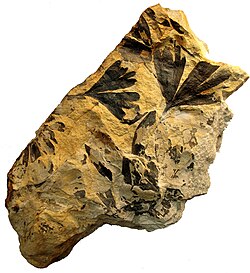
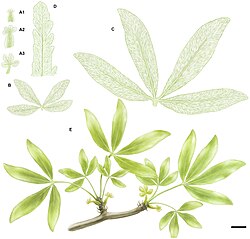
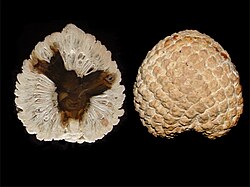
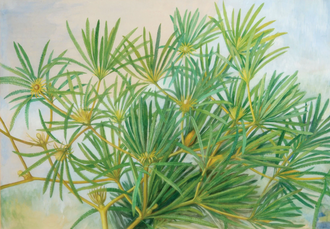
The landscape of the Jurassic was dominated by gymnosperms—plants that produce "naked" seeds, not enclosed in an ovary. This era saw the flourishing of conifers, Ginkgoales (relatives of the modern Ginkgo), and Bennettitales (an extinct group of seed plants).
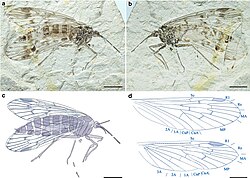
Ferns and other lower plants also played a vital role in the ecosystem, providing the foundational energy for the food webs of the time. The presence of diverse flora supported a wide array of herbivores, from small insects to massive dinosaurs.
Fauna: A Diverse Biological Explosion
The Jurassic is perhaps most famous for its incredible animal life. The period saw the rise of several major groups that dominated different ecological niches.
Dinosaurs and Land Vertebrates
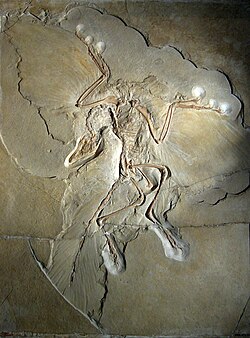
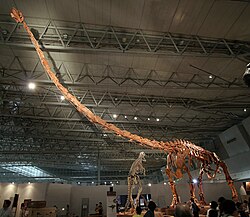
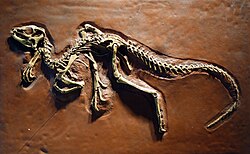
Dinosaurs reached new heights of diversity during this time. Theropods (bipedal carnivores), Sauropodomorphs (long-necked herbivores), and Ornithischians (bird-hipped dinosaurs) occupied various roles. Notable examples include the massive Mamenchisaurus and the early bird-like Archaeopteryx.
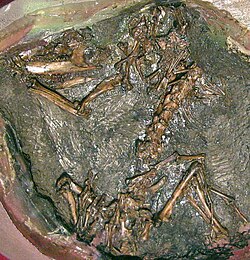
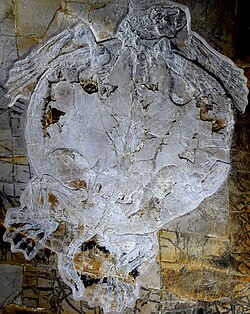
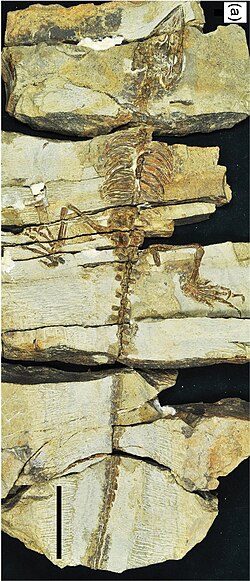
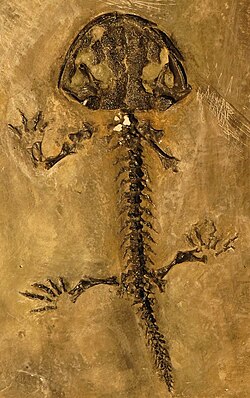
Beyond dinosaurs, the Jurassic hosted early mammals (mammaliaformes), various amphibians, and reptiles such as crocodylomorphs and turtles. Small, agile creatures like Henkelotherium suggest that even early mammalian relatives were adapting to diverse environments, including arboreal (tree-dwelling) lifestyles.
Marine and Aerial Life
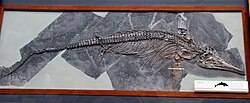
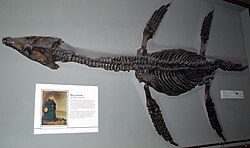
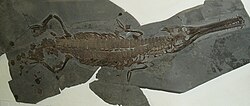
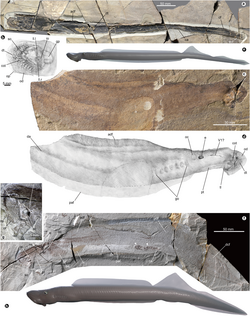
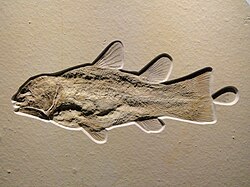
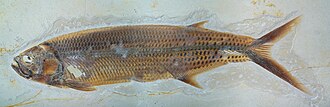
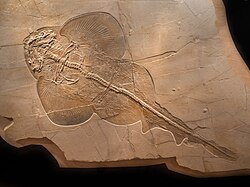
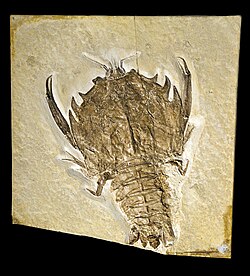
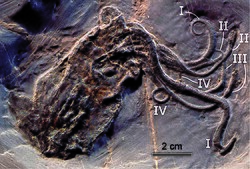
The oceans were teeming with life. Ichthyosaurs and plesiosaurs were the apex predators of the seas, while various fish, including early sharks (Chondrichthyes) and bony fish (Actinopterygii), filled the waters. Marine invertebrates like ammonites and various molluscs were also abundant.
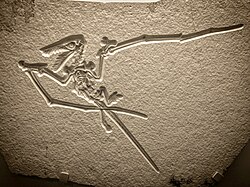
In the skies, pterosaurs—flying reptiles—navigated the Jurassic atmosphere, representing one of the earliest successful groups of vertebrates to achieve powered flight.
Frequently Asked Questions
What defines the start of the Jurassic Period?
The Jurassic begins approximately 201.4 million years ago, following the Triassic–Jurassic mass extinction event. It is formally marked by the Hettangian stage.
Which animals were most dominant during the Jurassic?
Dinosaurs were the dominant land animals, particularly sauropods and theropods. In the oceans, marine reptiles like ichthyosaurs and plesiosaurs were highly successful.
What kind of plants grew during this time?
The Jurassic landscape was dominated by gymnosperms, including conifers, cycads, and Ginkgoales, along with various ferns.
How did the Earth's geography change during the Jurassic?
The supercontinent Pangea began to break apart, leading to the formation of new oceans and changing the global climate and sea levels.
Is the Jurassic Period the same as the "Age of Dinosaurs"?
While the Jurassic is a major part of the Mesozoic Era (often called the Age of Dinosaurs), the dinosaur era actually spans the Triassic, Jurassic, and Cretaceous periods.