Juice and Beverage Concentrates: Production and Uses
In the world of food and beverage production, concentration is a vital process used to enhance efficiency, reduce transport costs, and extend the lifespan of products. By removing water or creating dense syrups, manufacturers can deliver essential nutrients and flavors more effectively across long distances.
Juice Concentrates
A juice concentrate is produced by removing water from fruit or vegetable juice. This process allows for easier storage and transport. Because these products are intended for human consumption, juice manufacturing from concentrate is subject to strict government regulations to ensure food safety.
The history of this technology is rooted in necessity. A specific process for concentrating orange juice was patented in 1948, having been originally developed to provide World War II troops with a reliable and portable source of vitamin C.
Today, these products are available in various formats, including canned frozen forms.
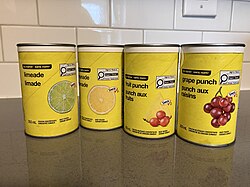
Soft Drink and Syrup Concentrates
Beyond fruit juices, most sodas and soft drinks are manufactured as highly concentrated syrups. These syrups are diluted with carbonated water—water infused with carbon dioxide gas—immediately before bottling or consumption.
Some of these concentrated syrups are sold directly to consumers. This retail model is popular because it offers a lower price point and significant weight savings compared to purchasing pre-mixed drinks.
Preservation and Other Concentrated Foods
One of the primary advantages of concentrates is their longevity. Most juice and soda concentrates possess a long shelf-life, which is achieved through high sugar content and, in some cases, the addition of preservatives.
The principle of concentration is also applied to other dairy products. For example, condensed milk is produced to reduce transport weight and increase resistance to spoilage.
| Product Type | Primary Method/Form | Key Benefit |
|---|---|---|
| Fruit Juice | Water removal / Frozen cans | Nutrient delivery (e.g., Vitamin C) |
| Soft Drinks | Concentrated syrups | Cost and weight reduction |
| Milk | Condensed form | Spoilage resistance |
Key Facts
- Orange juice concentration was patented in 1948 to support WWII troops.
- Government regulations oversee the manufacturing process to maintain food safety.
- Shelf-life is extended in concentrates via preservatives or high sugar levels.
- Weight savings are a primary driver for producing condensed milk and soda syrups.
Frequently Asked Questions
What is a juice concentrate?
A juice concentrate is fruit or vegetable juice that has had a significant portion of its water removed.
Why was orange juice concentration developed?
It was originally developed to provide World War II troops with a reliable source of vitamin C.
How are soft drinks typically produced?
Most are produced as highly concentrated syrups that are later diluted with carbonated water.
Why do concentrates have a long shelf-life?
Their longevity is generally due to high sugar content and/or the use of added preservatives.
Is condensed milk considered a concentrate?
Yes, condensed milk is produced specifically to save on transport weight and to resist spoilage.