Antioxidants: Protecting Cells, Food, and Industry from Oxidation
At the molecular level, a constant battle is being waged against oxidation—a chemical reaction that can lead to the degradation of organic compounds. This process often produces free radicals, highly reactive molecules that can cause significant damage to living matter and industrial materials alike. Antioxidants serve as the primary defense mechanism, acting as compounds that inhibit these oxidative reactions to maintain stability and prevent decay.

How Antioxidants Work

The primary goal of an antioxidant is to interrupt the autoxidation cycle. Autoxidation is a self-sustaining process where oxidation leads to further degradation, a cycle that antioxidants aim to break to prevent widespread damage.

In biological systems, this process can manifest as lipid peroxidation, where free radicals attack the lipids in cell membranes, causing a chain reaction of cellular damage.

Antioxidants in Biology and Human Health

Living organisms have evolved complex systems to manage oxidative stress—an imbalance between the production of reactive oxygen species and the body's ability to detoxify them. Cells utilize both small molecules and specialized enzyme systems to maintain this balance.
Natural Cellular Defenses
In human cells, several key molecules and enzymes work in tandem to prevent damage:
- Glutathione: A vital naturally occurring antioxidant peptide.
- Enzyme Systems: Including superoxide dismutase, catalase, and peroxiredoxins, which facilitate the detoxification of reactive oxygen species.
- Other Thiols: Such as mycothiol and bacillithiol in various organisms.
![Decameric structure of AhpC, a bacterial 2-cysteine peroxiredoxin from Salmonella typhimurium[119]](/images/43/9f/439f28b8e5cd8ff5e363a7bb6a1dc3bfa7da101475151eb0b5fa94f1f8657ac1.png)
Dietary Antioxidants and Nutrition
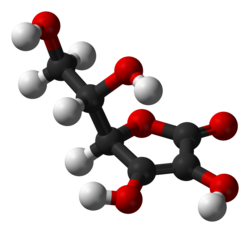
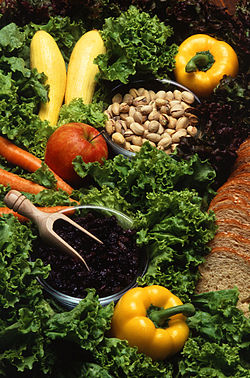
While many compounds show antioxidant properties in vitro (in a controlled environment like a test tube), the evidence for their effectiveness in vivo (within a living organism) can vary. Common dietary antioxidants include Vitamins A, C, and E. However, it is important to note that dietary supplements marketed as antioxidants have not been proven to maintain health or prevent disease in humans.
Industrial and Food Applications
Beyond biology, antioxidants are essential in manufacturing and food science. In industry, they are added to polymers, fuels, and lubricants to extend their usable lifetimes by preventing chemical breakdown.
Fuel Additives
In the petroleum industry, substituted phenols and derivatives of phenylenediamine are frequently used to inhibit gum formation in gasoline (petrol). Different formulations are tailored for specific needs, such as jet fuels or low-temperature oils.

| Component | Primary Applications |
|---|---|
| N,N'-di-2-butyl-1,4-phenylenediamine | Turbine oils, transformer oils, hydraulic fluids, waxes, and greases |
| 2,6-di-tert-butyl-4-methylphenol (BHT) | Turbine oils, transformer oils, hydraulic fluids, waxes, and gasolines |
| 2,4-dimethyl-6-tert-butylphenol | Jet fuels and gasolines, including aviation gasolines |
| Propylated and butylated phenols | Low temperature gasolines |
| 2,6-di-tert-butylphenol | Widely approved aviation fuels |
Food Preservation
In the food industry, antioxidants are used to prevent spoilage, specifically the rancidification of oils and fats. This ensures that food products remain safe and palatable for longer periods.
Key Facts
- Function: Antioxidants inhibit oxidation and the production of free radicals.
- Biological Role: They combat oxidative stress via molecules like glutathione and enzymes like superoxide dismutase.
- Dietary Sources: Vitamin C is found in fresh or frozen fruits and vegetables; Vitamin E is found in vegetable oils, nuts, and seeds.
- Industrial Use: They extend the life of fuels, lubricants, and polymers.
- Chemical Note: Some substances, like certain iron ions, can act as pro-oxidants, actually promoting oxidation.
Frequently Asked Questions
What is the difference between in vitro and in vivo antioxidant activity?
In vitro refers to antioxidant activity observed in a laboratory setting (like a test tube), whereas in vivo refers to activity occurring within a living organism. Some compounds work well in a lab but show little evidence of effectiveness inside the human body.
Can I prevent disease by taking antioxidant supplements?
Current evidence has not shown that dietary supplements marketed as antioxidants can maintain health or prevent disease in humans.
How do antioxidants protect fuel?
Antioxidants like phenylenediamine derivatives are added to fuels to prevent the formation of gums and other degradation products caused by oxidation, which helps maintain the fuel's quality and performance.
What are some natural sources of antioxidant vitamins?
Vitamin C (ascorbic acid) is abundant in many fruits and vegetables. Vitamin E (tocopherols and tocotrienols) is commonly found in vegetable oils, nuts, and seeds. Carotenoids can be found in fruits, vegetables, and eggs.
What is oxidative stress?
Oxidative stress occurs when there is an imbalance between the production of reactive oxygen species (free radicals) and the body's ability to neutralize them using antioxidant defenses.
Are there substances that act as pro-oxidants?
Yes. Under certain conditions, some substances can exhibit pro-oxidant activity, meaning they promote rather than inhibit oxidation. For example, certain interactions involving iron and ascorbate can lead to the production of hydroxyl radicals.