Juan Domingo Perón: The Architect of Peronism and Argentine Politics
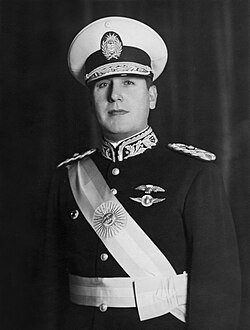
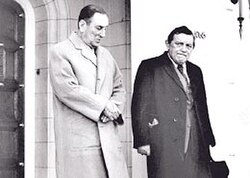
Juan Domingo Perón was a towering and polarizing figure in 20th-century Latin American politics. A military officer turned statesman, he served as the 29th and 40th president of Argentina, leaving an indelible mark on the nation's social, economic, and political fabric. His ideology, known as Peronism, continues to be a dominant force in Argentine political discourse today.
Perón's legacy is defined by his unique ability to mobilize the working class and his commitment to social justice, though his tenure was often marked by controversy, authoritarian tendencies, and intense political rivalry.
Key Facts
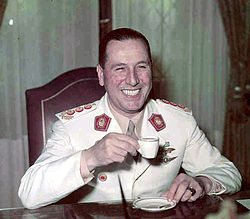
- Presidencies: Served from 1946 to 1955 and again from 1973 to 1974.
- Political Movement: Founded the Justicialist Party and the ideology of Peronism.
- Key Partner: His second wife, Eva "Evita" Perón, played a crucial role in social welfare and labor relations.
- Military Rank: Attained the rank of Lieutenant General in the Argentine Army.
- Historic Firsts: Oversaw the first election in Argentina to grant women the right to vote (1951).
Early Life and Military Ascent
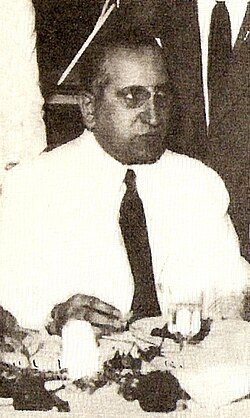
Born on October 8, 1895, in Buenos Aires, Perón began his career in the Argentine Army at an infantry post in Paraná, Entre Ríos. He first demonstrated his skill in conflict resolution in 1920 while mediating a labor dispute at La Forestal, a prominent forestry firm. This early experience with labor relations would later become a cornerstone of his political identity.
Perón's professional growth continued at the Superior War School, and by 1929, he was appointed to the Army General Staff Headquarters. During this period, he married his first wife, Aurelia Tizón.
The Rise to Power (1943–1946)
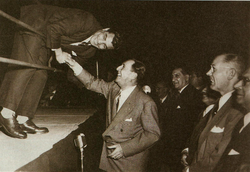
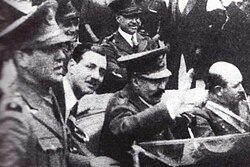
Perón's political ascent accelerated during the military government of 1943. He held several critical positions simultaneously, serving as the Minister of War and the Secretary of Labour and Social Security. In these roles, he built a powerful base of support among the working class by implementing social security measures and improving labor conditions.
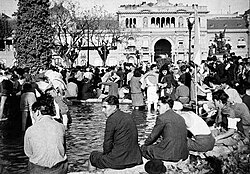
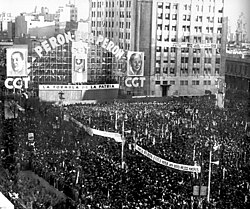
By 1945, Perón had become a central figure in the government under President Edelmiro Farrell. However, his growing influence led to a period of detention, which sparked massive public demonstrations for his release, most notably on October 17, 1945.
The First Presidency and the Era of Evita (1946–1952)
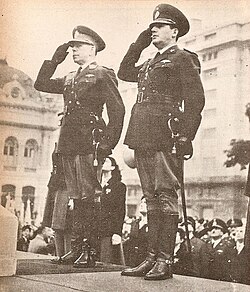
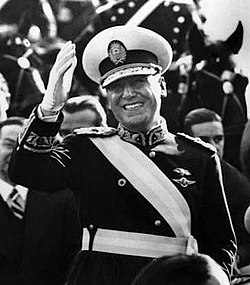
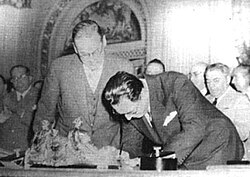
Elected in 1946, Perón's first term focused on industrialization and social welfare. He pursued a policy of nationalization, most notably the acquisition of British-owned railways in 1948 to increase national sovereignty over infrastructure.
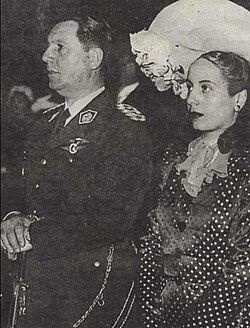
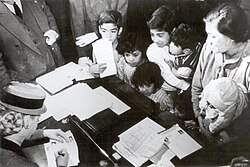
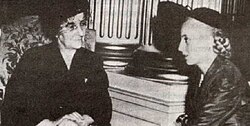
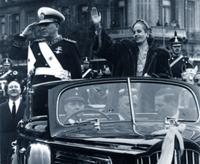
A defining feature of this era was the influence of his second wife, Eva Perón. As the head of her own foundation, Evita became the bridge between the government and the poor, focusing on healthcare, housing, and the needs of the marginalized. Together, they promoted a vision of a socially just society.
Infrastructure and Economic Development
Perón invested heavily in the nation's physical and industrial capacity. His administration focused on several key areas:
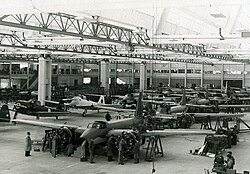
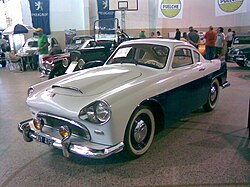
- Industrialization: Modernizing state military industries and attempting to launch a local auto industry with the "Justicialist" car.
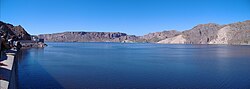
- Energy and Water: Constructing major projects like the Valle Grande hydroelectric dam.
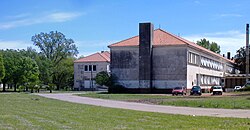
- Public Health: Building hundreds of hospitals across the country, including significant facilities near Rosario.
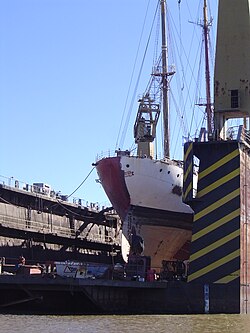
- Transportation: Expanding shipyards, such as the Río Santiago Shipyards.
Controversies and the Second Term (1952–1955)
Perón was re-elected in 1951 in a landmark election that included women's suffrage for the first time. However, his second term faced severe economic headwinds, including a drought that contributed to a US$ 500 million trade deficit.
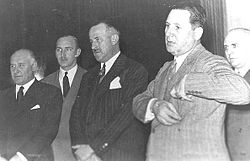
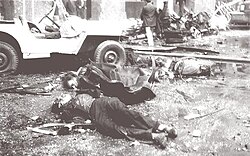
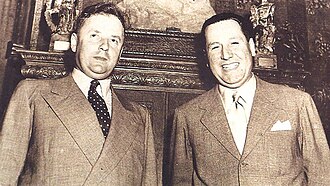
This period was also marked by increased repression of political opponents and allegations of fascist influence. Perón's administration was criticized for providing refuge to Nazi war criminals and maintaining ties with figures like Rodolfo Freude. Despite these controversies, Perón maintained a strong grip on power until a military coup deposed him in September 1955.
Exile and Final Return (1955–1974)
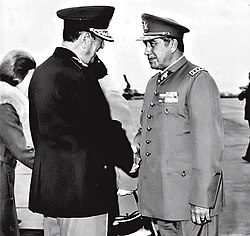
Perón spent 18 years in exile, primarily in Spain, where he remained the symbolic leader of the Peronist movement. He maintained international connections, interacting with figures ranging from Che Guevara to Augusto Pinochet.
In 1973, after years of political instability in Argentina, Perón returned to his home country. He was elected president for a third time, but his return was fraught with internal conflict between the left-wing and right-wing factions of his own movement. He served until his death on July 1, 1974, succeeded by his third wife, Isabel Perón.
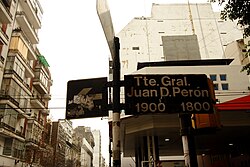
| Term | Period | Key Focus | Outcome |
|---|---|---|---|
| First Term | 1946–1952 | Labor rights, nationalization, social welfare | Strong economic growth and social expansion |
| Second Term | 1952–1955 | Economic stabilization, women's suffrage | Deposed by military coup |
| Third Term | 1973–1974 | Political reconciliation and return from exile | Ended by his death in office |
Frequently Asked Questions
What is Peronism?
Peronism is the political movement and ideology based on the ideas of Juan Domingo Perón. It emphasizes social justice, economic independence, and political sovereignty, often blending elements of nationalism with labor-focused social policies.
What role did Eva Perón play in his administration?
Eva Perón served as a powerful intermediary between Perón and the working class. Through her foundation, she managed extensive social welfare programs and advocated for the poor and women's rights, significantly boosting Perón's popularity.
Why was Perón exiled from Argentina?
Perón was deposed in September 1955 following a military coup. The coup was driven by opposition from the military and other political sectors who were critical of his authoritarian style and the influence of Evita.
Did Perón support Nazi war criminals?
Historical accounts and biographers indicate that Perón's government facilitated the immigration of Nazi war criminals to Argentina, providing a network of protection for those fleeing Europe after World War II.
How many times was Perón elected president?
Juan Domingo Perón is the only Argentine president to have been elected to the office three separate times.