Josip Broz Tito: The Architect of Yugoslavia and the Non-Aligned Movement
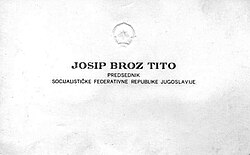
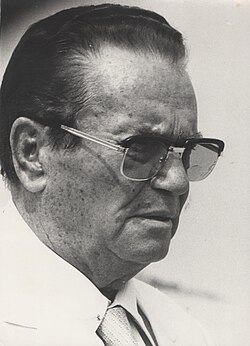
Josip Broz Tito was a towering figure of the 20th century, a communist revolutionary who transformed the Balkan landscape. As the leader of Yugoslavia from the end of World War II until his death in 1980, Tito navigated the treacherous waters of the Cold War, maintaining a unique position between the Western powers and the Soviet Union. His political legacy, known as Titoism, blended socialist principles with a distinct brand of national independence.
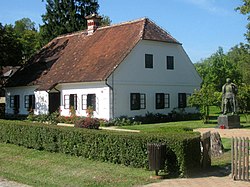
Tito's journey began in the village of Kumrovec, where he developed the resilience and ideological drive that would later define his leadership. From his early days as a communist agitator to his role as the supreme commander of the Yugoslav Partisans, Tito's life was a series of dramatic shifts and strategic alliances.
Key Facts
- Full Name: Josip Broz Tito
- Primary Roles: President of Yugoslavia (1953–1980) and Prime Minister (1943–1963).
- Military Rank: Marshal of Yugoslavia.
- Major Achievement: Co-founder and first Secretary-General of the Non-Aligned Movement.
- Ideology: Titoism, characterized by socialist self-management and independence from Soviet hegemony.
- Death: May 4, 1980, in Ljubljana, Slovenia.
Early Life and Revolutionary Roots
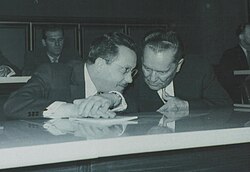
Born in 1892 in Croatia-Slavonia, Tito's early political leanings were shaped by the Social Democratic Party of Croatia and Slavonia. His path was not linear; he served in the Austro-Hungarian Army during World War I and later in the Red Army during the Russian Civil War. These experiences cemented his commitment to communism.
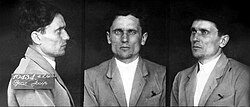
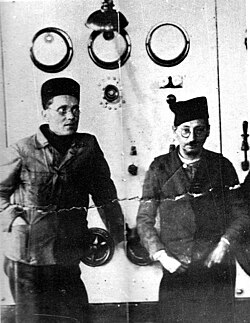
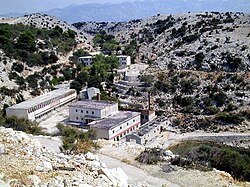
During the interwar period, Tito became a professional revolutionary and a key figure in the League of Communists of Yugoslavia. His activities often brought him into conflict with the law, leading to multiple imprisonments, including a stint in the Lepoglava jail during the 1930s.
The Path to Leadership
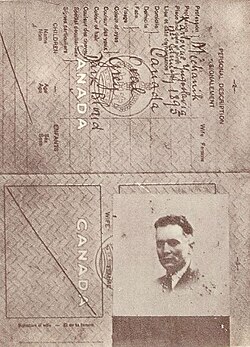
By 1939, Tito had risen to become the General Secretary of the Communist Party of Yugoslavia (CPY). His time in Moscow and his coordination of Yugoslav volunteers during the Spanish Civil War provided him with the international connections and strategic experience necessary to lead a national resistance movement.
World War II and the Partisan Resistance
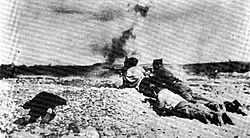
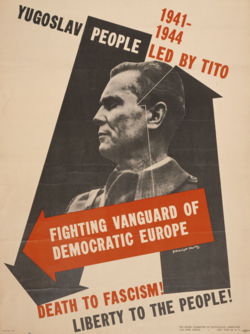
When the Axis powers invaded Yugoslavia in 1941, Tito organized the Yugoslav Partisans, a multi-ethnic communist-led resistance force. Unlike other resistance groups, the Partisans focused on a broad-based national liberation struggle, which allowed them to gain widespread support across different ethnic groups.
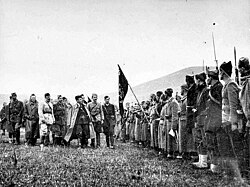
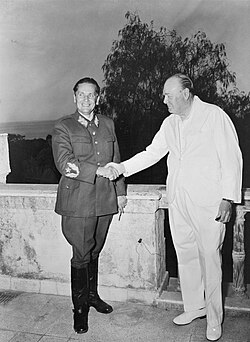
Tito's leadership during the war was marked by strategic brilliance and endurance, most notably during the Battle of Sutjeska in 1943. By 1944, his forces were recognized as the most effective resistance in the region, leading to high-level meetings with Allied leaders, including British Prime Minister Winston Churchill.
The Presidency and the Tito-Stalin Split
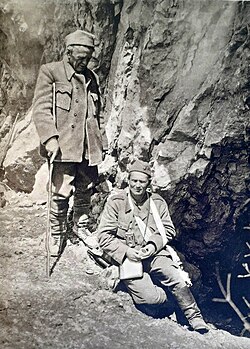
Following the liberation of Yugoslavia in 1945, Tito established a socialist state. However, the honeymoon period with the Soviet Union was short-lived. In 1948, a fundamental disagreement over Yugoslavia's autonomy led to the Tito-Stalin split. Tito refused to allow Yugoslavia to become a satellite state of the USSR, a move that was unprecedented for a communist leader at the time.
Socialist Self-Management
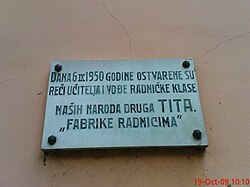
To distinguish his system from the Soviet model, Tito introduced socialist self-management. This policy, summarized by the slogan "Factories to the workers," aimed to give workers more control over the management of their enterprises, moving away from the rigid central planning of the Eastern Bloc.
Global Diplomacy and Non-Alignment
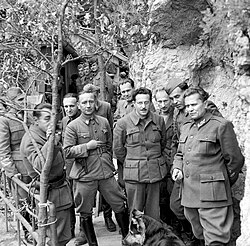
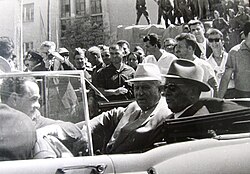
Tito's refusal to align exclusively with either the USA or the USSR led to the creation of the Non-Aligned Movement (NAM) in 1961. Alongside leaders like India's Jawaharlal Nehru and Egypt's Gamal Abdel Nasser, Tito sought to create a third path for developing nations to maintain their sovereignty during the Cold War.
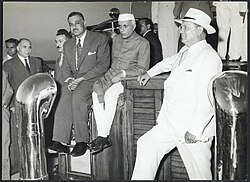
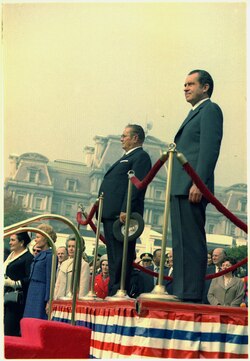
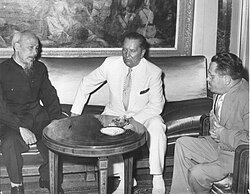
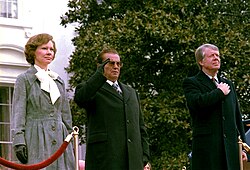
This diplomatic strategy made Tito a global celebrity and a respected mediator. He maintained friendly relations with diverse world leaders, from Ho Chi Minh of North Vietnam to U.S. Presidents Richard Nixon and Jimmy Carter.
Summary of Tito's Political Career
| Position | Period | Key Focus |
|---|---|---|
| Prime Minister of Yugoslavia | 1943–1963 | Post-war reconstruction and state building |
| President of Yugoslavia | 1953–1980 | National unity and international diplomacy |
| General Secretary of CPY/LCY | 1939–1980 | Ideological leadership of the Communist Party |
| 1st Secretary-General of NAM | 1961–1964 | Global neutrality and Third World solidarity |
Final Years and Legacy
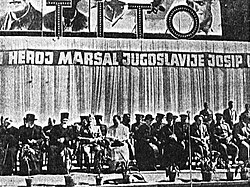
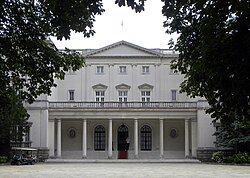
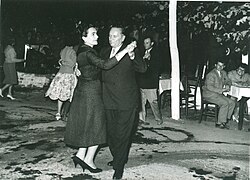
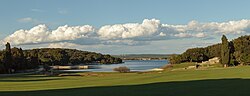
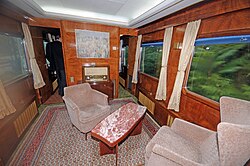
Tito's later years were spent maintaining the fragile unity of the diverse Yugoslav republics. He lived a life of luxury in residences such as the Beli Dvor and the Brijuni Islands, while remaining the central unifying symbol of the state.
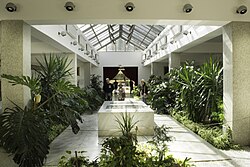
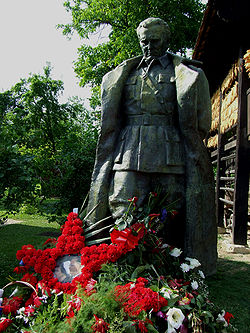
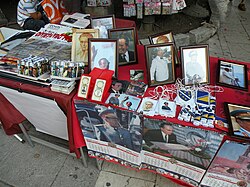
Tito died on May 4, 1980, at the age of 87. He was interred in the House of Flowers in Belgrade. Following his death, the "glue" that held the multi-ethnic state together began to dissolve, eventually leading to the violent breakup of Yugoslavia in the 1990s.
Frequently Asked Questions
What was Titoism?
Titoism refers to the specific brand of socialism practiced in Yugoslavia. It was characterized by a break from Soviet influence, the implementation of worker self-management in factories, and a foreign policy of non-alignment during the Cold War.
Why did Tito split with Stalin?
The split occurred in 1948 primarily because Tito insisted on Yugoslavia's independence in its internal and external affairs, refusing to take orders from Joseph Stalin and the Soviet Union.
What was the Non-Aligned Movement?
The Non-Aligned Movement was an international organization of states that did not wish to be formally aligned with or become dependent on either the United States or the Soviet Union during the Cold War.
How did Tito maintain unity in Yugoslavia?
Tito used a combination of charismatic leadership, a strong security apparatus, and a policy of "Brotherhood and Unity" to suppress ethnic nationalism and integrate the various republics into a single socialist federation.
Where is Tito buried?
Tito is buried in the House of Flowers, a mausoleum located within the Museum of Yugoslavia in Belgrade, Serbia.