Israeli-Palestinian Conflict: A Timeline of Escalation (2015-2016)
Between late 2015 and mid-2016, the Israeli-Palestinian conflict experienced a period of intense volatility characterized by a surge in stabbing attacks, clashes at holy sites, and diplomatic friction. This era was marked by a cycle of violence that led many analysts to speculate on the beginning of a Third Intifada—a term referring to a large-scale Palestinian uprising against Israeli occupation.
The period saw significant casualties on both sides. Since September 2015, 36 Israelis, two Americans, and one Eritrean were killed in Palestinian attacks. During the same window, 222 Palestinians were killed, the vast majority by Israeli security forces, including 140 identified by Israel as assailants. The Israel Defense Forces (IDF) recorded 167 attacks by Palestinians targeting civilians and security personnel.
Key Facts
- Casualties: 39 non-Palestinians and 222 Palestinians killed between September 2015 and mid-2016.
- Flashpoints: The Temple Mount/al-Aqsa Mosque compound served as a primary catalyst for unrest.
- Legal Shifts: Israel implemented new anti-riot laws in September 2015, expanding the conditions under which security forces could use live fire.
- International Response: The US, France, and Germany intervened through diplomatic warnings, financial aid threats, and proposed peace conferences.
- Tactics: A prevalence of "lone wolf" attacks, including stabbings and vehicular rammings, alongside traditional firebombing and shootings.
The 2015 Escalation: From Duma to the Temple Mount
The tension intensified in July 2015 following a firebombing attack by Israeli settlers in the Palestinian village of Duma. The attack resulted in the deaths of an 18-month-old baby and his father, while the mother and a 4-year-old son were critically injured. This event created a volatile atmosphere that bled into September.
By September 13, clashes erupted at the al-Aqsa Mosque compound as Muslim youths attempted to block Jewish visits to the site. Israeli police responded with tear gas, stun grenades, and rubber-coated bullets, while Palestinians hurled rocks and flares. This period of unrest saw the death of Alexander Levlovich, who crashed his car after Palestinians threw stones at his vehicle.
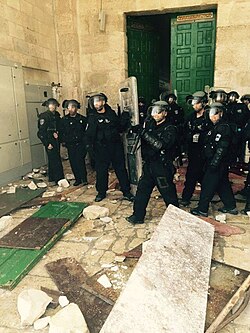
International concern grew as Jordan's King Abdullah II warned that provocations in Jerusalem would damage ties between Jordan and Israel. Simultaneously, the US State Department urged Israel to maintain the status quo—the long-standing agreement governing access and prayer at the holy site.
October 2015: A Month of High Intensity
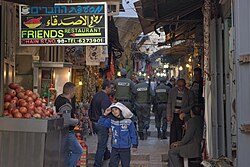
October 2015 witnessed a dramatic spike in violence. Sixty-nine Palestinians were killed in clashes with security forces, while ten Israelis lost their lives. In response, Israel deployed over 300 soldiers to Jerusalem, the largest military policing operation since the Second Intifada.
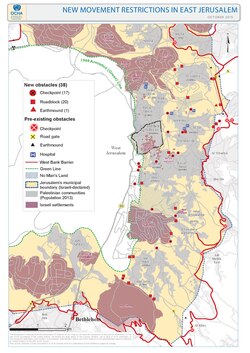
Several high-profile incidents defined this month:
- Movement Restrictions: On October 4, Israel banned most Palestinians (excluding residents of Jerusalem, students, and businessmen) from entering the Old City for two days.
- Political Bans: Prime Minister Benjamin Netanyahu barred Israeli ministers and Knesset members from visiting the Temple Mount to prevent further escalation.
- Youth Involvement: The stabbing of two Israelis by two Palestinian boys, Hassan and Ahmad Manasra, sparked international debate over the age of combatants and the treatment of minors.
Diplomatically, the US House Foreign Affairs Committee voted to cut $80 million in aid to the Palestinian Authority, citing "incitement" by officials like Mahmoud Abbas.
Legal Controversies and Extrajudicial Killings
Throughout the unrest, the conduct of Israeli security forces came under scrutiny. In November 2015, two Palestinian girls attempted a stabbing at the Mahane Yehuda Market. While the victim was a 70-year-old Palestinian man mistaken for a Jew, the incident ended with a policeman shooting 14-year-old Hadeel Wajih Awwad. Human rights organization B'Tselem labeled this an extrajudicial killing, a term for the killing of a person by governmental authorities without the sanction of any judicial proceeding.
Similar concerns were raised in March 2016 after a video emerged showing a soldier shooting a motionless attacker in the head in Hebron. These events led US congressmen to inquire whether such actions triggered the Leahy Law, which mandates the suspension of military aid to foreign security force units that commit gross violations of human rights.
2016: Continued Violence and Diplomatic Deadlock
The first half of 2016 saw a continuation of sporadic but deadly attacks. In March, US tourist Taylor Force was killed in a Tel Aviv attack, leading to the creation of the Taylor Force Act, which seeks to block US economic aid to the Palestinian Authority if it continues paying stipends to families of terrorists.
In June 2016, two gunmen inspired by Hamas and the Islamic State killed four people at a Tel Aviv cafe. Israel responded by suspending 83,000 Palestinian entry permits for Ramadan and imposing a closure on the West Bank and Gaza Strip, moves described by UN officials as "collective punishment."
Summary of Conflict Data (Sept 2015 - June 2016)
| Category | Israeli Side | Palestinian Side |
|---|---|---|
| Total Deaths | 39 (including US/Eritrean) | 222 |
| Primary Attack Methods | Live ammunition, rubber bullets, tear gas | Stabbings, firebombs, vehicular attacks, shootings |
| Key Legal/Policy Changes | Anti-riot laws, MK Expulsion Law | Calls for international observers |
Frequently Asked Questions
What was the "status quo" regarding the Temple Mount?
The status quo refers to the delicate set of understandings that govern access and prayer at the Temple Mount/Haram al-Sharif, intended to prevent religious conflict by limiting changes to the site's administration and usage.
What is the Taylor Force Act?
Named after a US tourist killed in Tel Aviv, this American legislation aims to stop economic aid to the Palestinian Authority as long as it provides stipends to individuals who commit acts of terrorism.
What is the Leahy Law?
The Leahy Law is a US legal provision that prohibits the US government from providing military assistance to foreign security force units when there is credible information that the unit has committed a gross violation of human rights.
Why did analysts mention a "Third Intifada"?
Analysts used this term because the frequency of "lone wolf" attacks and widespread clashes mirrored the organized uprisings of the First Intifada (1987) and Second Intifada (2000), though the 2015-2016 wave was less centrally coordinated.
What was the "Expulsion Law" proposed by Netanyahu?
This legislation allowed a three-quarters majority of the Knesset (90 of 120 members) to vote to expel a member of parliament found guilty of inciting racism or supporting an armed struggle against Israel.