2006 Lebanon War
The 2006 Lebanon War was a high-intensity conflict that took place between July 12 and August 14, 2006. This month-long struggle primarily involved the state of Israel and Hezbollah, a Lebanese militant group and political party. The war was part of a broader pattern of Israeli-Lebanese and Iran-Israel proxy conflicts, characterized by heavy aerial bombardment, rocket fire, and ground incursions.
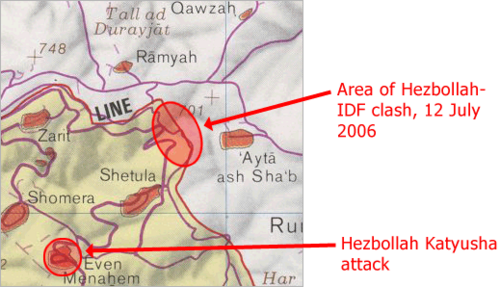
The conflict was sparked by a Hezbollah cross-border raid into northern Israel, which resulted in the abduction of Israeli soldiers and the death of others. This event triggered a massive military response from the Israel Defense Forces (IDF), leading to a cycle of violence that impacted civilians and infrastructure across both nations.
Key Facts
- Duration: 1 month and 2 days (July 12 – August 14, 2006).
- Primary Belligerents: Israel vs. Hezbollah.
- Israeli Casualties: 121 IDF personnel and 44 civilians killed.
- Lebanese Casualties: Between 1,109 and 1,191 dead, including civilians and militia members.
- Territorial Impact: Israel continues to occupy northern Ghajar.
- International Resolution: Ended via UN Security Council Resolution 1701.
The Course of the Conflict
The Initial Raid and Israeli Response
The war began when Hezbollah launched a coordinated cross-border raid, capturing Israeli soldiers and killing others. In response, Israel initiated a comprehensive military campaign involving air strikes and artillery attacks aimed at dismantling Hezbollah's infrastructure in Lebanon.
Aerial Warfare and Rocket Attacks
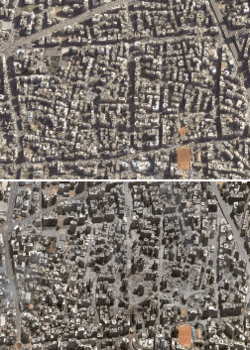
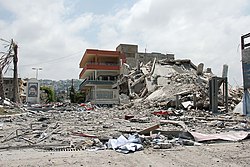
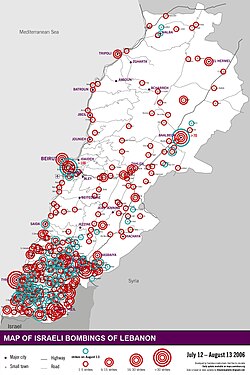
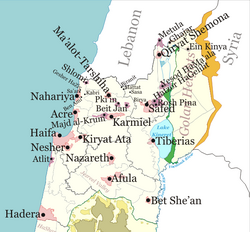
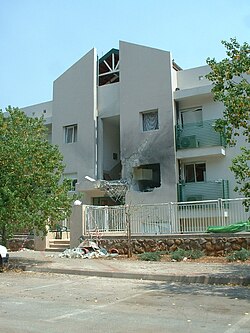
The Israeli Air Force (IAF) targeted Hezbollah headquarters and strategic sites, including the Dahieh district of southern Beirut. Simultaneously, Hezbollah launched thousands of Katyusha rockets—unguided artillery rockets—into northern Israel and the Golan Heights, causing significant structural damage and civilian casualties.
The Ground War
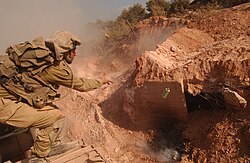
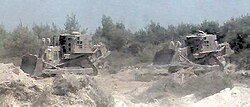
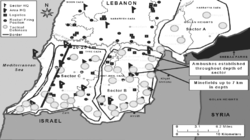
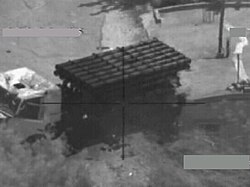
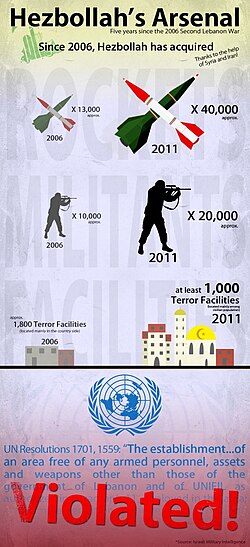
As the conflict progressed, the IDF launched ground operations to push Hezbollah forces north of the Litani River. These operations involved armored bulldozers and infantry to destroy bunkers and rocket launchers. Despite the military pressure, Hezbollah maintained a sophisticated defensive system in southern Lebanon.
Humanitarian and Environmental Impact
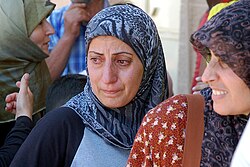
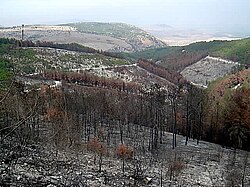
The war resulted in severe casualties and displacement. In Lebanon, thousands of internally displaced persons (IDPs) fled their homes in the south. The conflict also caused significant environmental damage, most notably the Jiyyeh oil spill, the largest in the history of the Mediterranean, caused by an Israeli air strike on the Jiyeh power station.
![Image from space showing Jiyyeh oil slick in darkest blue, picture centered on Beirut. The largest oil spill in the history of the Mediterranean, it was caused by an Israeli air strike on Jiyeh power station[270] on 10 August 2006.](/images/c4/00/c400f65e94f2aaf2fcdf80ecac630d58d4ffab336a44e7a661cadb9aed667be4.jpg)
Casualty Summary
| Category | Israel | Lebanon / Others |
|---|---|---|
| Military/Militia Killed | 121 | ~150+ (including LAF and militias) |
| Civilians Killed | 44 | ~1,000+ |
| Wounded | 2,628 (Combined) | 4,409 |
| UN Personnel Killed | 0 | 5 |
Aftermath and International Reaction
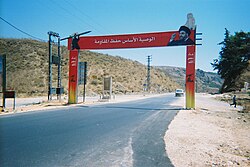
The war ended with a ceasefire under UN Security Council Resolution 1701, which called for Hezbollah to remain disarmed and banned paramilitary activity south of the Litani River. However, the resolution's implementation remained a point of contention.
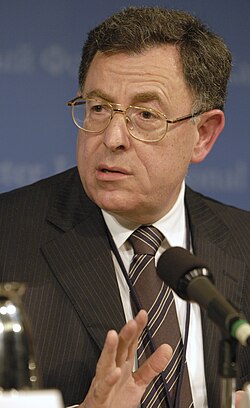
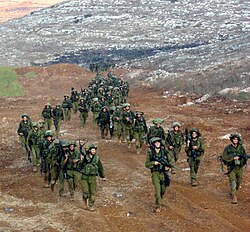
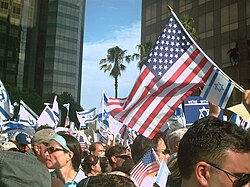
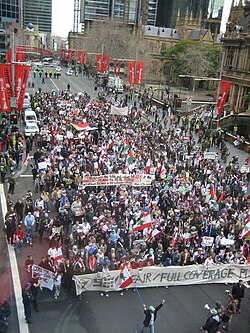
Internationally, the war sparked protests and rallies globally, reflecting deep divisions in public opinion. In Israel, the Winograd Commission was established to investigate the failures of the military and political leadership during the campaign.
![George W. Bush declared that Hezbollah lost the war and that "There's going to be a new power in the south of Lebanon".[349]](/images/b0/9d/b09d148434e0d57110b3406c4ce18e067c58025e5c2c02aff52e9f66c4bba299.jpg)
Frequently Asked Questions
What caused the 2006 Lebanon War?
The war was triggered by a Hezbollah cross-border raid into Israel that resulted in the abduction of Israeli soldiers and the deaths of others.
What was the result of the conflict?
The result is generally viewed as inconclusive. While Israel occupied northern Ghajar and pushed forces north, Hezbollah remained a potent force, and both sides suffered significant casualties.
What was the significance of UN Security Council Resolution 1701?
Resolution 1701 established the ceasefire and mandated that Hezbollah be disarmed and prohibited from operating south of the Litani River.
What was the Winograd Commission?
The Winograd Commission was an Israeli government inquiry tasked with analyzing the military and political mistakes made during the war.
What was the largest environmental disaster of the war?
The largest environmental disaster was the oil spill at the Jiyeh power station, which created the largest oil slick in the history of the Mediterranean Sea.