Insect Mythology: Symbols of Creation and Transformation Across Cultures
From the arid sands of ancient Egypt to the lush forests of Japan, insects have occupied a central place in human storytelling. Far from being mere pests, these small creatures have served as divine messengers, architects of humanity, and symbols of the eternal soul. Across diverse civilizations, insects like the bee, butterfly, cicada, and scarab beetle have been woven into the fabric of mythology to explain the origins of life and the mysteries of the afterlife.
Key Facts
- Creation: In San folklore, a seed planted by a bee in a mantis's body created the first human.
- Rebirth: The Egyptian scarab beetle symbolizes the daily renewal of the sun and the cycle of regeneration.
- The Soul: In Greek and Japanese traditions, butterflies often represent the human soul or mind.
- Divine Power: Various cultures view insects as conduits for prophecy, such as the bee maidens of Apollo.
- Omens: Dragonflies are viewed as symbols of courage in Japan, but have historically been seen as sinister in parts of Europe.
Myths of Origin and Creation
Many cultures use insects to explain how the world and its people began. The San people of the Kalahari Desert tell a poignant tale of a bee that carried a mantis across a river; after the bee planted a seed in the dying mantis, the first human grew from that seed. Similarly, in Egyptian mythology, bees were said to have emerged from the tears of the sun god Ra as they fell upon the desert sand.
In the legends of the Baganda people of Uganda, the first man, Kintu, succeeded in a divine trial to marry Nambi because she transformed herself into a bee to whisper the correct answer into his ear. In Greek mythology, the god of bee-keeping, Aristaeus, restored his lost hives through a ritual sacrifice, where bees rose from the corpses of bulls and cows to refill his hives.
Transformation is a recurring theme in origin myths. The Homeric Hymn to Aphrodite describes how Tithonus, granted immortality but not eternal youth by Zeus, eventually shriveled until he became the first cicada.
Divine Interventions and Mortal Encounters
Insects often act as agents for the gods, facilitating communication or delivering punishment. In Sumerian poetry, a fly assists the goddess Inanna, while fly-shaped lapis lazuli beads were worn in ancient Mesopotamia as symbols of Nergal, the god of death. The Greek god Apollo is said to have received the gift of prophecy from the Thriae, a trinity of pre-Hellenic bee goddesses.
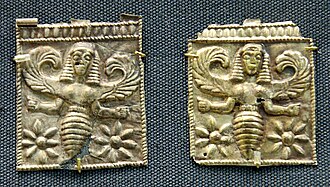
Other myths highlight the insect's role in divine conflict. The Hindu goddess Parvati took the form of Bhramari Devi, releasing countless black bees from her body to sting the demon Arunasura to death. In Hittite mythology, the goddess Hannahannah sent a bee to find the rampaging god of agriculture, Telipinu, stinging him and smearing him with wax to bring him back.
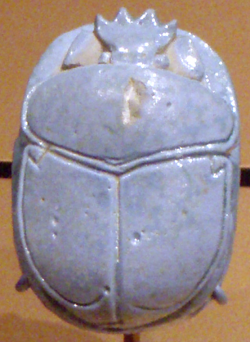
The scarab beetle (family Scarabaeidae) holds a particularly prestigious place in Egyptian religion. Because the beetle rolls dung into a ball for its larvae, it became a symbol of the sun god Ra rolling the sun across the sky. The god Khepri, representing the rising sun, is frequently depicted as a scarab-headed man, symbolizing daily rebirth.
The Mantis and the Guide
The praying mantis was revered by the Khoi and San traditions of southern Africa. In other cultures, insects served as guides: the Greeks believed the mantis could lead lost travelers home, and the Egyptian Book of the Dead mentions a "bird-fly" that guides souls to the underworld.
Symbolism of the Soul and Transformation
The butterfly is perhaps the most universal symbol of the soul. In Japan, butterflies are seen as the personification of the soul of the living or dead. While a single butterfly might signal the arrival of a loved one, vast swarms were historically viewed as portents of evil. This connection is mirrored in the Greek word for butterfly, psȳchē, which also means "soul" or "mind." Roman art further illustrates this, sometimes depicting a butterfly exiting the mouth of a deceased person.
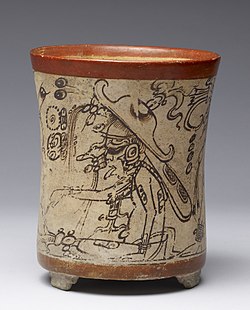
Cicadas also appear in tales of unexpected harmony. One Greek myth tells of Eunomos, a cithara player whose broken string was replaced by the song of a cicada, allowing him to win a musical competition.
Amulets, Omens, and Cultural Perceptions
Insects have long been used as symbols of human qualities or as protective charms. In the Greek Archaic Era, the grasshopper symbolized the city-state of Athens; citizens wore golden grasshopper brooches to prove their pure Athenian lineage. In Native American cultures, dragonflies represent swiftness and activity, and for the Navajo, they symbolize pure water.
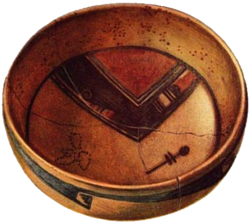
Perceptions of the dragonfly vary wildly by region. In Japan, they are symbols of courage, strength, and happiness, often appearing in haiku. Conversely, European folklore often cast them in a sinister light. English names like "devil's darning needle" and Norwegian terms like Øyenstikker ("eye-poker") reflect a belief that these insects were associated with injury or the devil.
| Insect | Culture | Primary Meaning/Role |
|---|---|---|
| Bee | Egyptian / Greek / Baganda | Creation, prophecy, and divine assistance |
| Scarab Beetle | Ancient Egyptian | Rebirth, regeneration, and the rising sun |
| Butterfly | Japanese / Greek / Roman | The human soul and transformation |
| Dragonfly | Japanese / Native American | Courage, swiftness, and pure water |
| Cicada | Greek | Immortality (via aging) and musical harmony |
| Mantis | San / Greek / Assyrian | Human origins, guidance, and necromancy |
Frequently Asked Questions
Why was the scarab beetle so important in ancient Egypt?
The scarab beetle's habit of rolling dung into a ball mirrored the movement of the sun across the sky. This led the Egyptians to associate the beetle with the god Khepri and the concepts of rebirth, regeneration, and the daily renewal of the sun.
What does the butterfly represent in Japanese and Greek culture?
In both cultures, the butterfly is a symbol of the soul. In Japan, it is seen as the personification of a person's soul (living or dead), while the Greek word for butterfly, psȳchē, literally translates to "soul" or "mind."
How did the dragonfly's meaning differ between Japan and Europe?
In Japan, dragonflies are generally positive symbols of courage, strength, and happiness. In contrast, European folklore often viewed them as sinister, with names like "devil's darning needle" suggesting they were associated with evil or physical harm.
Which insect is linked to the origin of humanity in San folklore?
The San people tell of a bee that carried a mantis across a river; the bee planted a seed in the mantis's body, which eventually grew into the first human.
What was the significance of the grasshopper in ancient Athens?
The grasshopper was the symbol of the polis of Athens. Pure-blooded Athenians wore golden grasshopper brooches to signify their lineage and lack of foreign ancestors.