Hunting: History, Methods, and Global Wildlife Management
Hunting is the human practice of seeking, pursuing, capturing, and killing wildlife or feral animals. While often viewed through a modern lens as a sport, it is a fundamental human activity with roots stretching back to the earliest stages of human existence. From the necessity of survival to the complexities of modern ecological conservation, hunting serves a variety of purposes across different cultures and eras.
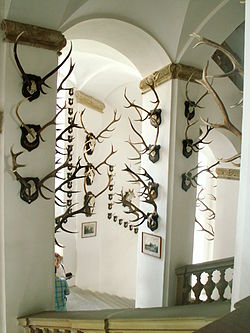
The primary motivations for hunting include obtaining meat and useful animal products—such as fur, hide, bone, tusks, and antlers—as well as recreation and taxidermy. Beyond these, hunting is often employed for resourceful reasons, such as removing dangerous predators, eliminating pests (known as varminting), or managing overpopulated and invasive species through a process called culling.
In a professional or recreational context, the animals targeted are referred to as game, typically consisting of mammals and birds. Those who participate are hunters or huntresses, while the areas dedicated to these activities are called game reserves. These reserves are often overseen by a gamekeeper, an experienced hunter responsible for organizing hunts and managing the animal populations.
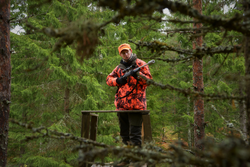
Key Facts

- Primary Purposes: Sustenance (meat/materials), recreation (trophy hunting), pest control, and ecological conservation.
- Game Categories: Divided generally into big game (e.g., elephants, deer) and small/medium game (e.g., foxes, waterfowl).
- Conservation Role: Used as a tool to prevent overpopulation and protect ecosystems from invasive species.
- Global Variation: Hunting density varies wildly, with countries like Malta and Cyprus showing high hunters-per-km ratios.
- Historical Shift: Transitioned from a universal subsistence activity to a specialized skill and a sport for the upper social classes.
Types of Hunting
Recreational and Trophy Hunting
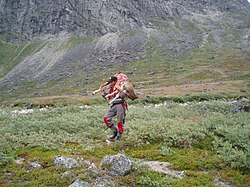
Often referred to as "sporting," this type of hunting focuses on the challenge of the pursuit or the acquisition of a trophy. This is further divided into:
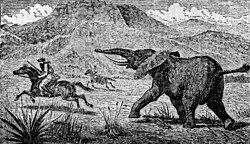
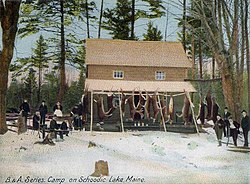
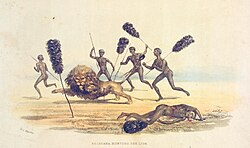
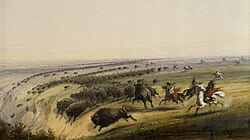
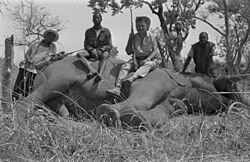
- Big Game Hunting: Includes the "Big Five" (lion, elephant, African buffalo, African leopard, and black rhinoceros), as well as bears, bison, tigers, and various deer species like elk and caribou.
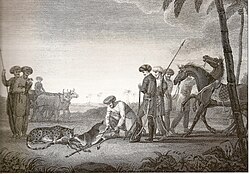
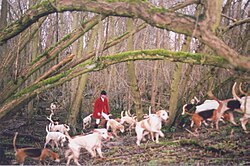
- Medium and Small Game: Includes fox hunting, hare coursing, and squirrel hunting.
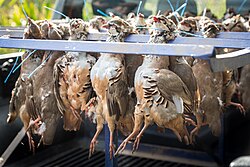
- Fowling: The hunting of birds, split between waterfowl (ducks, geese) and upland game (quail, pheasant, turkey).
Pest Control and Management
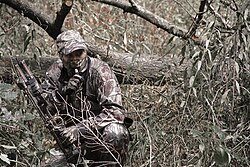
This category focuses on the removal of animals that pose a threat to humans, livestock, or agriculture. This includes predator hunting (wolves, coyotes, bobcats) and varmint hunting (rabbits, rooks).
Commercial and Sustenance Hunting
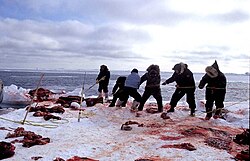
These activities are driven by trade or the need for food. Examples include whaling, seal hunting, and the hunting of alligators or kangaroos for commercial products.
A Brief History of the Hunt
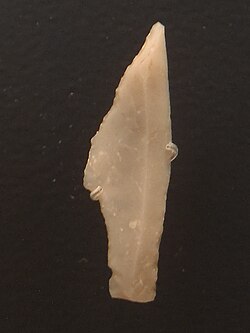
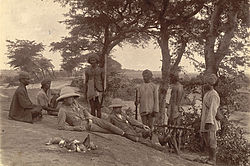
Hunting has evolved alongside human civilization. In the Lower to Middle Paleolithic eras, it was the primary means of survival. By the Upper Paleolithic and Mesolithic periods, tools became more refined, as evidenced by early flint tools used for hunting.
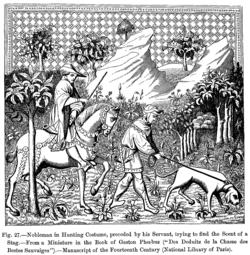
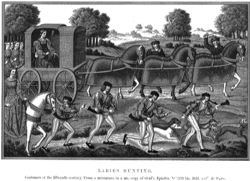
As humans transitioned into pastoral and agricultural societies, hunting shifted from a necessity to a selective activity. This led to two distinct trends: the rise of the specialist hunter, who possessed advanced training and equipment, and the emergence of hunting as a leisure activity for the social elite.
Cultural and Artistic Influence
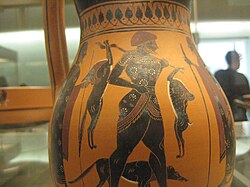
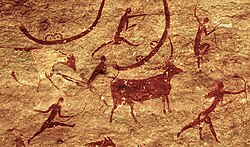
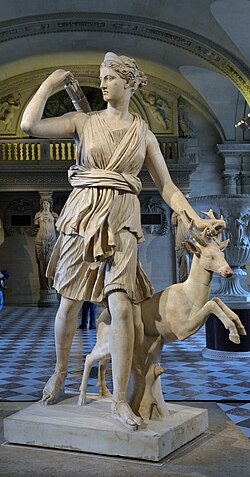
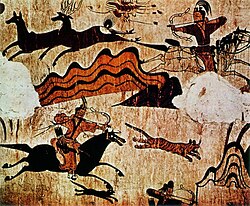
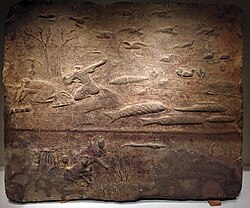
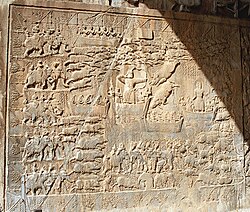
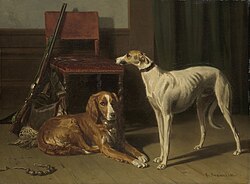
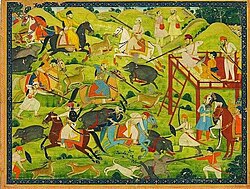
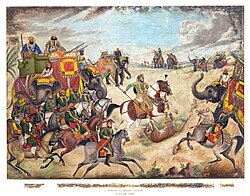
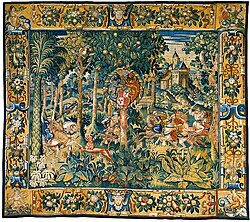
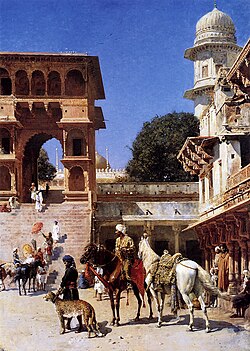
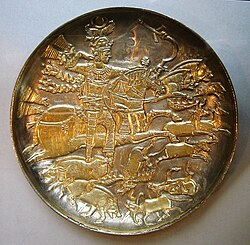
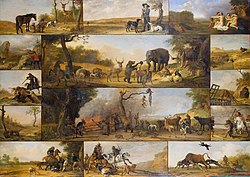
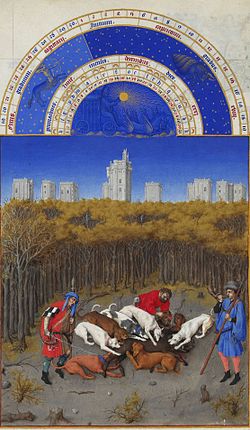
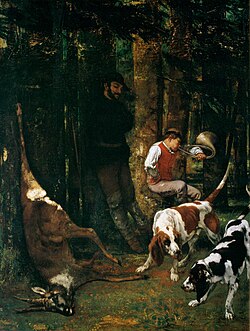
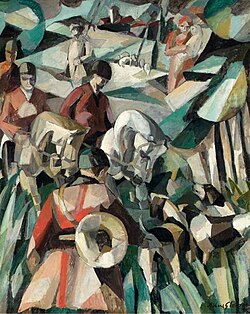
Hunting has been a recurring theme in global art, from prehistoric Saharan rock art and Ancient Greek pottery to Mughal miniatures and Dutch paintings. These works often reflect the social status of the hunter or the spiritual significance of the animal.
Wildlife Management and Legislation
Modern hunting is heavily regulated to ensure sustainability and ethical treatment of animals. Laws typically govern the right to hunt, establishing bag limits (the maximum number of animals a hunter can take) and defining closed and open seasons to protect animals during breeding periods.
In the United States, legislation such as the Pittman–Robertson Wildlife Restoration Act of 1937 and the Federal Duck Stamp program have linked hunting excise taxes directly to wildlife conservation and habitat restoration.

Global Hunting Statistics
The following table illustrates the distribution and density of hunters across various countries.
| Country | Hunters (Millions) | % of Population | Hunters per km² |
|---|---|---|---|
| Canada | 2.48 | 7.15% | 0.25 |
| Finland | 0.31 | 5.92% | 0.91 |
| United States | 11.45 | 3.54% | 1.17 |
| Russia | 2.80 | 1.96% | 0.16 |
| France | 1.33 | 2.08% | 2.45 |
| United Kingdom | 0.80 | 1.31% | 3.30 |
| Malta | 0.015 | 3.75% | 47.47 |
Frequently Asked Questions
![Snowden Slights with retriever and shotgun around 1910, 'the last of Yorkshire's Wildfowlers'[76]](/images/de/1b/de1b5df505b4cf14b185adb5b6edad45f4468895f6e4f7ccbd6d2a3010885072.jpg)


![The changing distribution of the world's land mammals in tonnes of carbon. The biomass of wild land mammals has declined by 85% since the emergence of humans, with hunting and agriculture being primary drivers of this decline.[148]](/images/c1/27/c127a541645f45cb6b32aed29447135ee5c4b991a40d15436c3d49331240cf9d.png)
What is the difference between hunting and predation?
Hunting refers specifically to the human practice of seeking and killing wildlife, whereas predation is the biological interaction where one non-human animal kills and eats another.
What is a "cull" in the context of hunting?
A cull is the selective slaughter of animals to reduce the population of a species, typically to prevent overpopulation, protect an ecosystem from invasive species, or manage disease.
What are the "Big Five" in big game hunting?
The Big Five are the five most difficult and dangerous African animals to hunt on foot: the lion, elephant, African buffalo, African leopard, and black rhinoceros.
How does hunting contribute to conservation?
Hunting can contribute to conservation through regulated culling to maintain ecological balance and through funding; for example, taxes on hunting equipment and licenses often fund habitat restoration and wildlife protection programs.
What is varminting?
Varminting is the practice of hunting "varmints," which are animals considered pests because they damage crops, livestock, or spread diseases.