Wild Game: A Global Overview of Hunting, Species, and Preparation
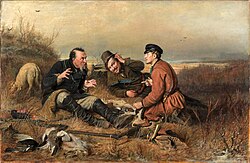
In the context of wildlife, game (also referred to as quarry) describes wild animals hunted for meat, recreation—often called "sporting"—or trophies. While the specific species targeted vary significantly by continent and local jurisdiction, most game consists of terrestrial mammals and birds. Additionally, fish caught for non-commercial, recreational purposes are classified as game fish.
The distinction between species is often influenced by climate, local biodiversity, and cultural tastes. For instance, hunters may distinguish between wild varieties and domestic breeds, such as wild turkey versus domestic turkey. A notable characteristic of wild game is its "gamey" flavor, a taste profile often attributed to the natural diet of the animal, which typically results in a lower fat content compared to farm-raised livestock.
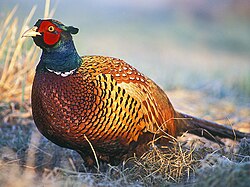
Key Facts
- Classification: Game is often categorized into "small game" and "large game" based on local laws.
- Licensing: Small game often requires a single license with bag limits, while large game may require individual tags per animal.
- Flavor Profile: Wild game is generally leaner than domestic meat due to natural diets.
- Safety Note: Lead-based ammunition can pose health risks, particularly to children and pregnant women.
- Global Variety: Species range from African bushmeat and South African antelope to North American ungulates and European waterfowl.
Regional Variations in Game Species
The range of animals available for hunting is shaped by geography and local legal frameworks. In some regions, such as parts of Africa, animals hunted specifically for meat are known as bushmeat. This category includes various antelope species, rodents like porcupines, and certain primates. It is important to note that many of these species are protected, making their hunting illegal.
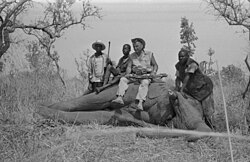
Africa and South Africa
South Africa is a premier destination for hunting due to its immense biodiversity. The region features a wide array of species, including Springbok, Impala, Kudu, and Cape buffalo. Beyond mammals, South Africa hosts 62 species of gamebirds. While many populations are secure or growing, certain species like the yellow-throated sandgrouse and African pygmy goose warrant special protection.
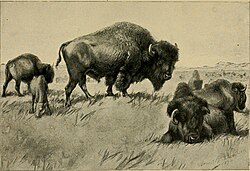
Oceania and North America
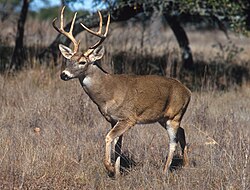
In Australia, game includes a mix of native and introduced species such as kangaroos, emus, and various feral animals like rabbits and wild pigs. New Zealand's game includes deer, chamois, and tahr. In North America, the white-tailed deer is the most commonly hunted large game, alongside other ungulates like elk, moose, and bison.
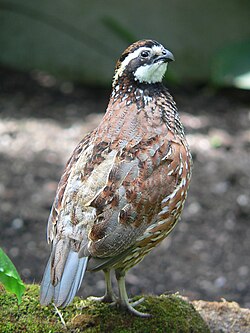
Europe and Asia
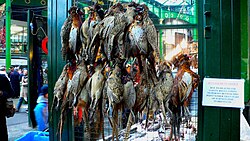
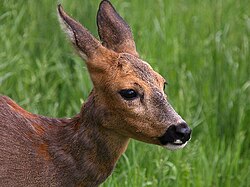
European hunting is heavily regulated by specific national laws. In the United Kingdom, the Game Act 1831 and the Wildlife and Countryside Act 1981 dictate what can be legally hunted, such as red grouse and pheasant. In Germany, hunting is highly restricted, with laws covering everything from roe deer to protected species like the brown bear. In Asia, the People's Republic of China features a unique cuisine category known as yewei, which includes wild animals.
Summary of Common Game Categories
| Category | Common Examples | Typical Regions |
|---|---|---|
| Large Game (Ungulates) | Deer, Moose, Elk, Bison, Wildebeest | North America, Europe, Africa |
| Small Game (Mammals) | Rabbit, Hare, Squirrel, Raccoon | Global |
| Gamebirds | Pheasant, Quail, Grouse, Duck | Global |
| Bushmeat | Antelope, Porcupine, Primates | Africa |
Meat Preparation and Cooking
Obtaining game requires careful handling to ensure food safety. Large animals, such as deer, are typically field-dressed—a process of removing viscera immediately after the hunt—to prevent spoilage. Small game may be carried home intact for butchering. Traditionally, some hunters allowed meat to hang until it reached a "high" or "gamey" state, though modern standards caution against this due to contamination risks.
When cooking, it is vital to remember that game is much leaner than farm-raised meat. Overcooking is a frequent error; to combat toughness, many chefs use moist-heat methods, slow cooking, or marinating. Traditional dishes like Hasenpfeffer (marinated rabbit) or stews like burgoo are excellent ways to tenderize the meat.
Frequently Asked Questions
What is the difference between small game and large game?
The distinction is usually legal and based on size. Small game often refers to birds and small mammals covered by a single license, while large game refers to bigger animals like deer or moose that often require individual permits or tags.
Why does wild game have a "gamey" taste?
The flavor is primarily due to the animal's natural diet and its leaner composition. Unlike domestic animals, wild game typically has a much lower fat content.
Is it safe to eat game shot with lead ammunition?
Health authorities, such as the Norwegian Food Safety Authority, advise caution. Lead exposure can be harmful, particularly to children and pregnant women. Using copper bullets or arrows is a safer alternative.
How should I avoid overcooking game meat?
Because game is leaner than store-bought meat, it dries out easily. Use slow-cooking methods, moist-heat techniques, or marinating to ensure the meat remains tender.
What is bushmeat?
Bushmeat refers to wild animals hunted specifically for their meat in certain parts of Africa. This includes species like various antelopes, rodents, and primates.