Human Food: Nutrition, Culture, and Global Systems
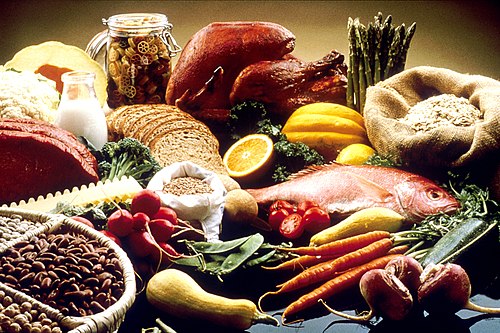
Human food consists of substances fit for human consumption that people willingly eat. While many things are technically edible, human food is defined by what we choose to consume to satisfy the instinctual response to hunger. It is a fundamental necessity of life, providing the energy and nutrients required for survival and well-being.
Humans are highly adaptable omnivores—organisms that eat a variety of food sources—allowing them to thrive in diverse ecosystems across the globe. Historically, our ancestors secured sustenance through hunting and gathering. Over time, the development of agriculture allowed humans to settle into permanent communities, where diets were shaped by the local environment and available crop opportunities.
Key Facts
- Nutritional Basis: Human food provides essential carbohydrates, fats, proteins, vitamins, and minerals.
- Origins: Most food is derived from plant, animal, or fungal sources.
- Adaptability: Humans have evolved to obtain food from nearly every ecosystem on Earth.
- Global Diversity: Geographic and cultural differences have created a vast array of cuisines, techniques, and ingredients.
- Economic Impact: Food is a global commodity influenced by international trade, manufacturing, and price volatility.
The Science of Nutrition and Taste
Food serves three primary purposes: energy, enjoyment, and nutritional support. To ensure survival, the human body requires a balance of macronutrients and micronutrients. These are found in a wide variety of sources, from staple grains to complex animal proteins.
![Global average human diet and protein composition and usage of crop-based products[11] (more statistics)](/images/c5/84/c5849363a8b032b34f4c696284ebbbd6a23278a51ef7d69d66ab38347cc82eaf.png)
Taste Perception
The enjoyment of food is driven by taste perception, which helps humans identify nutrient-dense foods and avoid toxic substances. There are five primary taste profiles:
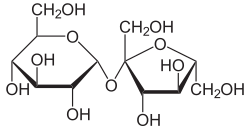
- Sweet: Often associated with energy-rich carbohydrates, such as sucrose.
- Sour: Often an indicator of acidity.
- Salty: Essential for mineral balance.
- Bitter: Historically a warning sign for potential toxins.
- Umami: A savory taste typically associated with proteins.

Culinary Arts and Preparation
As cultures evolved and mixed through globalization and trade, the way food is prepared became an art form. Cuisine refers to the specific set of ingredients, herbs, spices, and techniques characteristic of a particular region or culture.

Food Preparation and Cooking
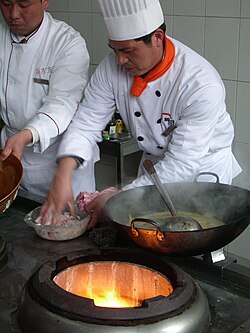
Preparation ranges from raw food handling to complex cooking methods. Cooking involves the application of heat to transform ingredients, often using specialized equipment such as woks or stainless steel frying pans. These methods not only improve taste and presentation but also make certain nutrients more accessible and eliminate harmful pathogens.


The Evolution of Dining
The transition from home preparation to commercial dining led to the rise of restaurants. Early establishments, such as Café Procope in Paris (founded in 1686), paved the way for the modern hospitality industry, where food is presented as both a service and an experience.



The Global Food Economy
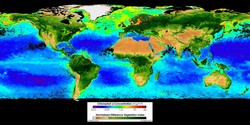
The modern food system is a complex network of production, manufacturing, and distribution. Food is produced on a massive scale using industrial agriculture, then transported globally through imports and exports.

Production and Retail
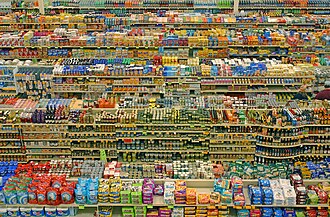
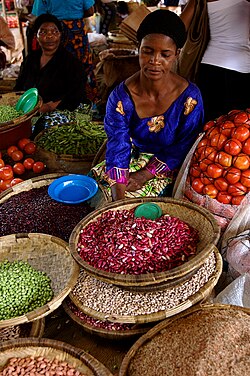
Food manufacturing transforms raw agricultural products into packaged household items. These are sold through various retail channels, from local markets to large supermarkets. However, the economic distribution is often uneven; for example, the share of the food dollar going to farmers has declined significantly over the last century.

Pricing and Access
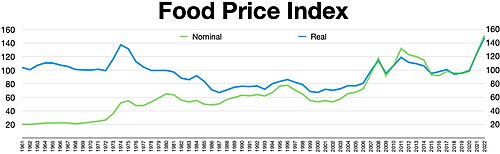
Food prices are subject to volatility caused by climate change, financial speculation, and supply chain disruptions. For instance, the Consumer Price Index (CPI) for food showed a significant increase between 2021 and 2022, impacting the affordability of basic necessities.

Food Security and Policy
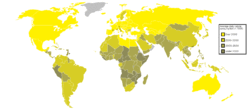
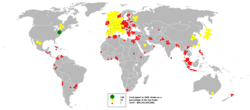
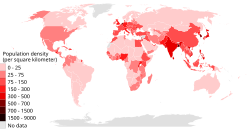
Despite the abundance of food globally, access remains unequal. Food security exists when all people have physical, social, and economic access to sufficient, safe, and nutritious food.
The Right to Food
Many nations have recognized the "right to food" within their legal frameworks, either through constitutional mandates or international treaties. This legal recognition aims to combat hunger and starvation through government policy and international aid.

![Right to food around the world, as of 2011–2012:[117][118][119] Adopted or drafting a framework law (19) Constitutional, explicit as a right (23) Constitutional, implicit in broader rights or as directive principle (41) Direct applicability via international treaties (103) No known right to food Note: The same country can fall in multiple categories; the colour given to a country corresponds to the highest listed category in which a country falls.](/images/19/7c/197c4cedd1198ceb9a54c41f67061d872181e943a28b0cc09266c398386dfc21.webp)
Food Waste and Safety
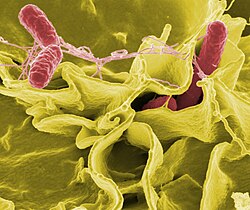
A significant challenge in the global food system is food waste. A substantial portion of produced food is lost before it reaches the consumer or is discarded after purchase. Additionally, food safety is a critical concern, as foodborne illnesses—such as those caused by Salmonella—can pose serious health risks if food is undercooked or improperly handled.
![Food recovered by food waste critic Robin Greenfield in Madison, Wisconsin, from two days of recovery from dumpsters[102]](/images/56/18/56181977711b06ab168af75809064d541fec50357ed0cbed0e154a45c3bd96b3.jpg)
Dietary Patterns and Health
Diets vary based on cultural, religious, and ethical considerations. Some individuals follow moral or health-conscious diets, while others face diet deficiencies due to poverty or lack of access to diverse food sources.



Global Caloric Consumption
Caloric intake varies widely by region. Developed countries typically have the highest average daily calorie consumption, while regions like sub-Saharan Africa often face the lowest, highlighting the disparity in global food distribution.
![Changes of food supply (by energy)[160][161]Other area (Yr 2010)[162] * Africa, sub-Sahara – 2170 kcal/capita/day * N.E. and N. Africa – 3120 kcal/capita/day * South Asia – 2450 kcal/capita/day * East Asia – 3040 kcal/capita/day * Latin America / Caribbean – 2950 kcal/capita/day * Developed countries - 3470 kcal/capita/day](/images/36/87/3687ec9e04cf8fe4d7e82268fe20c0a7905ca4698df358d81e0498975590d2b7.png)
| Category | Key Components/Factors | Primary Goal/Impact |
|---|---|---|
| Nutrients | Carbs, Fats, Proteins, Vitamins, Minerals | Biological Survival & Health |
| Taste Profiles | Sweet, Sour, Salty, Bitter, Umami | Palatability & Safety Warning |
| Food Security | Access, Availability, Affordability | Elimination of Hunger |
| Food Waste | Supply Chain Loss, Consumer Waste | Environmental & Economic Loss |
Frequently Asked Questions
What is the difference between edible substances and human food?
While an edible substance is anything that can be eaten without causing harm, human food specifically refers to substances that are fit for consumption and that humans willingly eat to satisfy hunger and nutritional needs.
How does food security differ from the right to food?
Food security is a state where all people have access to sufficient and nutritious food. The right to food is a legal and policy framework that recognizes access to food as a fundamental human right, often codified in constitutions or international treaties.
Why is food price volatility a concern?
Volatility in food prices, often driven by climate change or financial speculation, can lead to social unrest and increased hunger, as the poorest populations are most affected by sudden price spikes in staple foods.
What are the primary causes of foodborne illness?
Foodborne illnesses are often caused by bacteria, such as Salmonella, which can be found in undercooked chicken and eggs, or through improper food handling and storage.
How has globalization affected human diets?
Globalization has enabled a cosmopolitan exchange of food traditions, making ingredients, spices, and cooking techniques available far beyond their original geographic and cultural origins.