The Comprehensive Guide to the Sweet Potato: Nutrition, History, and Cultivation
The sweet potato is far more than just a side dish; it is a global powerhouse of nutrition and one of the most efficient food crops on the planet. Known scientifically as Ipomoea batatas, this versatile root vegetable belongs to the Convolvulaceae family, making it a relative of the morning glory. From its origins in the New World to its status as a staple in Asia and Africa, the sweet potato has played a critical role in food security and culinary tradition across the globe.
Key Facts
- Scientific Name: Ipomoea batatas.
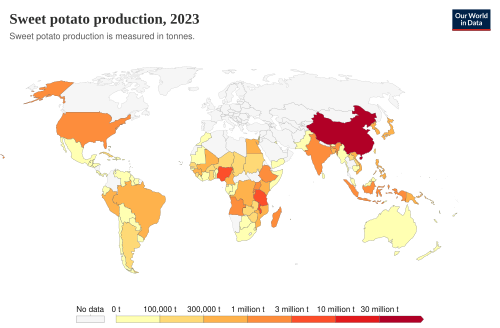
- Top Producer: China leads global production, accounting for 48.9% of the world's output.
- Agricultural Efficiency: It is the most efficient staple food to grow regarding farmland, yielding approximately 290,000 kilojoules per hectare daily.
- Nutritional Highlight: Baked sweet potatoes are exceptionally rich in Vitamin A (120% DV), Vitamin C (24% DV), and Manganese (24% DV).
- Global Reach: Major producers include China, Malawi, Tanzania, Angola, and Ethiopia.
Botanical Overview and Taxonomy
The sweet potato is a member of the Solanales order and the Convolvulaceae family. Unlike true potatoes, which are tubers, the sweet potato is a storage root. Its physical characteristics are closely linked to its morning glory relatives, featuring similar leaves, buds, and flowers.
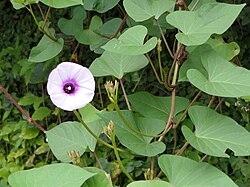
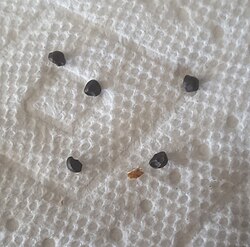
While primarily grown for its roots, the plant also produces seeds and can be propagated through "slips," which are young shoots that sprout from the tuber.
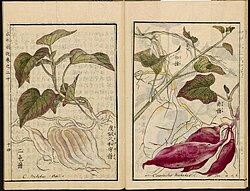
Different cultivars exhibit significant variation in root structure and flesh color, ranging from the common orange to yellow and purple varieties.
![Roots of the Taizhong6 cultivar compared to those of its two closest wild relatives: I. trifida and I. triloba[10]](/images/69/c5/69c58666fe4bbf7f9d45eba714b6a00a000e48ef3aa6be95f215a8262a9cc574.png)
Global History and Dispersal
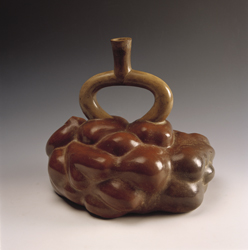
The journey of the sweet potato is a fascinating tale of ancient migration and colonial trade. Evidence from the Moche culture around 300 CE highlights its early importance in South America.
The crop reached the Philippines during the Spanish colonial period (1521–1898) via the Manila galleons. From Luzon, it was introduced to Fujian, China, around 1594 to combat major crop failures, a move encouraged by Governor Chin Hsüeh-tseng.
In Oceania, the sweet potato's history was long debated. While it was previously thought that the cold climate of southern New Zealand prevented growth south of Christchurch, a 2021 analysis revealed that the Māori were growing and storing sweet potatoes as far south as Dunedin during the 15th century, before the Little Ice Age disrupted production.
Production and Cultivation
Sweet potato production is a massive global industry, with China dominating the market. The process begins with the planting of slips to ensure healthy growth.
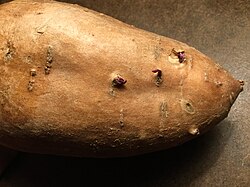
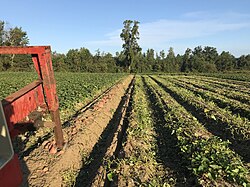
Harvesting is a labor-intensive process, often involving manual digging to protect the roots from damage.
Global production statistics highlight the crop's importance in various regions, particularly in Asia and Africa, where it serves as a primary caloric source.
The Curing Process
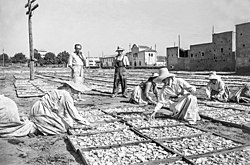
In the Southeastern United States, farmers use a process called curing to improve the root's flavor, nutrition, and storage life. Curing also allows the periderm (the protective outer skin) to heal from wounds sustained during harvest.
Proper curing involves:
- Drying freshly dug roots on the ground for two to three hours.
- Storing them at 29–32 °C (85–90 °F) with 90% to 95% relative humidity for five to fourteen days.
Nutritional Value and Comparison
The sweet potato is a nutrient-dense food. A 100-gram serving of baked sweet potato (with skin) provides 86 kilocalories and is composed of 76% water and 21% carbohydrates. It is particularly rich in beta-carotene, a precursor to Vitamin A.
When compared to other global staples, the sweet potato stands out for its efficiency and specific nutrient profile. While it has lower protein than soybeans or wheat, it offers significantly higher levels of Vitamin A and beta-carotene.
| Staple | Energy (kJ) | Protein (g) | Carbohydrates (g) | Fiber (g) | Vitamin A (IU) |
|---|---|---|---|---|---|
| Sweet Potato | 1565 | 7.0 | 87 | 13.0 | 460 |
| Maize (Corn) | 1698 | 10.4 | 82 | 8.1 | 238 |
| White Rice | 1736 | 8.1 | 91 | 1.5 | 0 |
| Wheat | 1574 | 14.5 | 82 | 14.0 | 10 |
| Cassava | 1675 | 3.5 | 95 | 4.5 | 563 |
| Potato | 1533 | 9.5 | 81 | 10.5 | 33 |
Culinary Applications
The sweet potato is used in a vast array of global dishes, from savory meals to sweet treats. In Ghana, it is a common street food, often peeled and sold fresh.

In Asia, the crop is integrated into diverse traditions:
- Japan: Hoshi-imo (dried sweet potatoes) and Imo Jōchū (spirits distilled from the root).
- Korea: Japchae (cellophane noodles made from sweet potato starch), Jjin-goguma (steamed), and Gungoguma (roasted).
- China: Hearty sweet potato soups popular during winter.
- Philippines: Camote tops, a salad made from the young leaves.
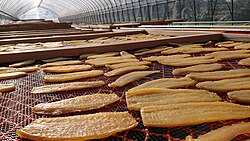
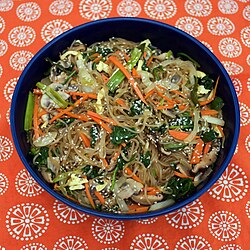
In the United States, sweet potatoes are a staple of Southeastern cuisine. While traditionally used in casseroles, they have gained modern popularity as fries.


Beyond the Kitchen: Other Uses
The utility of Ipomoea batatas extends beyond food. The plant is frequently used as an ornamental in gardening due to its attractive flowing vines and colorful flowers.
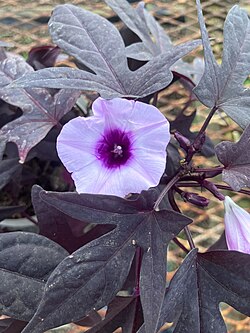
Additionally, the sweet potato has been utilized in the production of dyes and ceramics, and it is sometimes used in aquarium settings.
Frequently Asked Questions
Is a sweet potato the same as a yam?
No. While often confused in commercial labeling, sweet potatoes (Ipomoea batatas) and yams (genus Dioscorea) are different plants from different families.
Why are orange sweet potatoes more popular in the U.S. than purple ones?
Consumer research suggests that orange cultivars receive higher liking scores because the color is more familiar and strongly associated with the identity of sweet potatoes in the U.S.
What is the benefit of curing sweet potatoes?
Curing improves the root's storage life, enhances its flavor and nutritional profile, and allows the periderm (skin) to heal from harvest wounds.
How efficient is the sweet potato as a crop?
According to the United Nations Food and Agriculture Organization, it is the most efficient staple food to grow in terms of farmland, producing approximately 290,000 kilojoules per hectare daily.
Can you eat the leaves of a sweet potato?
Yes, the young leaves are edible and are used in various dishes, such as the camote tops salad in the Philippines.