House of Hohenzollern: The Dynasty of Prussia and Romania
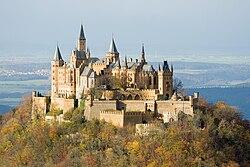
The House of Hohenzollern is one of Europe's most influential royal dynasties, evolving from a modest countship in Swabia to the ruling house of the Kingdom of Prussia and, eventually, the German Empire. Their legacy spans centuries of political expansion, military reform, and diplomatic maneuvering, extending their reach from the heart of Germany to the throne of Romania.
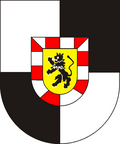
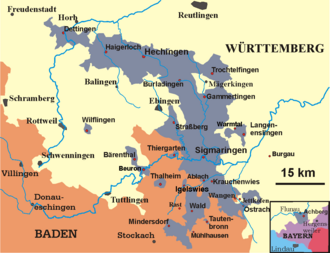
The dynasty is characterized by its split into two primary branches: the Prussian line, which ascended to imperial power, and the Swabian line (including the Sigmaringen and Hechingen branches), which maintained regional influence and later established a monarchy in Romania.
Key Facts
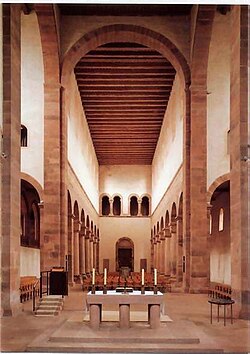
- Origins: Founded in the early 11th century in the Hohenzollern region of present-day Baden-Württemberg.
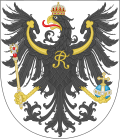
- Prussian Power: Ruled the Kingdom of Prussia from 1701 to 1918 and the German Empire from 1871 to 1918.
- Romanian Connection: The Sigmaringen branch provided kings for Romania, including King Michael I.
- Territorial Reach: At its peak, the dynasty controlled vast territories across Central Europe and held the title of Prince of Neuchâtel.
- Key Figures: Notable rulers include Frederick William I (the Soldier King), Frederick the Great, and William I (the first German Emperor).
The Rise of Brandenburg-Prussia
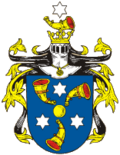
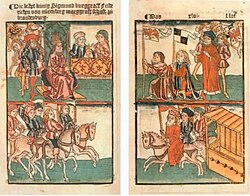
The Hohenzollerns first gained prominence as Burgraves of Nuremberg and later as Electors of Brandenburg. Through strategic marriages and political acquisitions, they consolidated power in the 15th and 16th centuries. Frederick I became the Margrave of Brandenburg in 1415, marking a pivotal step toward their future dominance.
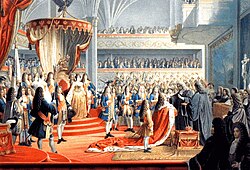
The transition from an electorate to a kingdom occurred in 1701, when the House of Hohenzollern established the Kingdom of Prussia. This era saw the rise of military professionalism and administrative efficiency, most notably under Frederick William I, known as the "Soldier King," and his son, Frederick II (Frederick the Great).
Expansion and the German Empire
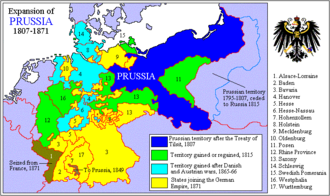
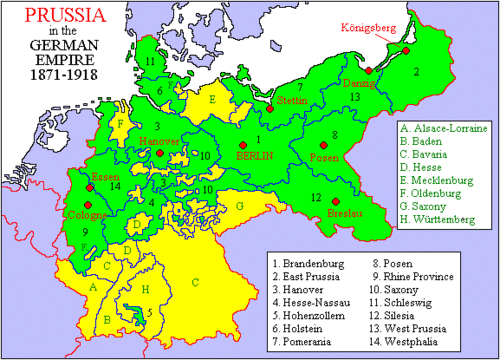
Between 1807 and 1871, Prussia underwent significant territorial expansion. Under the leadership of William I, the Hohenzollerns achieved the unification of Germany in 1871, with William I being proclaimed German Emperor. The dynasty continued to rule the German Empire until the end of World War I in 1918.
The Swabian Branch and the Romanian Throne
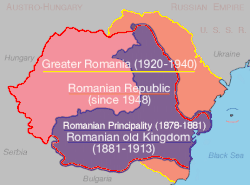
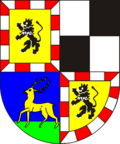
While the Prussian line focused on Northern and Central Europe, the Swabian branch remained rooted in the south. This line eventually split into the Hohenzollern-Hechingen and Hohenzollern-Sigmaringen branches. The Sigmaringen line achieved international prominence in the 19th century when they were invited to provide a monarch for Romania.
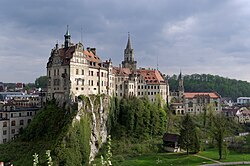
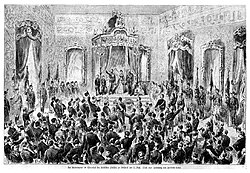
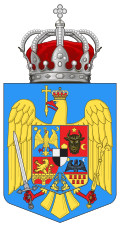
The Romanian monarchy saw various Hohenzollern rulers, including Carol I and King Michael I, the latter of whom reigned during the tumultuous period from 1927–1930 and again from 1940–1947.
Dynastic Summary and Lineage
The complexity of the Hohenzollern family tree reflects their vast influence. From the early Counts of Zollern to the modern heads of the house, the family has maintained a presence in European nobility for nearly a millennium.
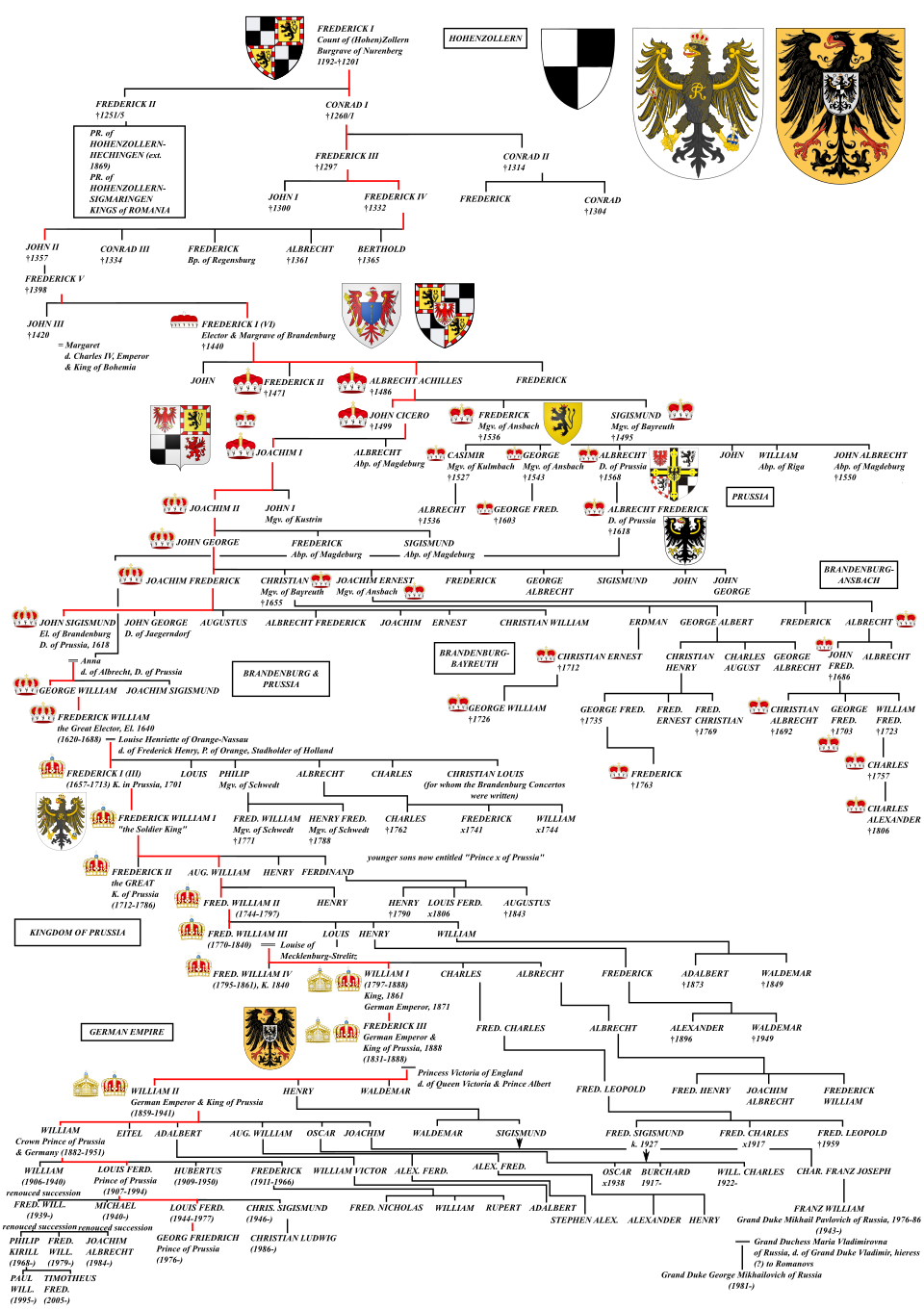
| Branch | Primary Territory/Title | Key Period of Influence | Notable Legacy |
|---|---|---|---|
| Prussian Line | Brandenburg, Prussia, German Empire | 1701–1918 | Unification of Germany |
| Sigmaringen Line | Sigmaringen, Romania | 1866–1947 (Romania) | Romanian Monarchy |
| Hechingen Line | Hohenzollern-Hechingen | 1576–1849 | Regional Swabian rule |
| Haigerloch Line | Hohenzollern-Haigerloch | 1576–1767 | Minor Swabian county |
Modern Era and Legacy
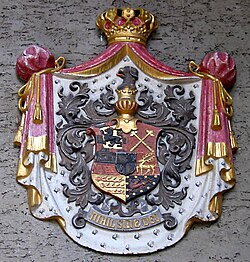
Following the collapse of the German Empire in 1918, the Hohenzollerns ceased to hold sovereign power in Germany. However, the family remains prominent in historical and cultural contexts. Today, the head of the Prussian Hohenzollerns is Georg Friedrich, who maintains the family's historical ties to their ancestral seats.


Frequently Asked Questions
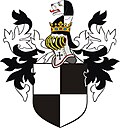
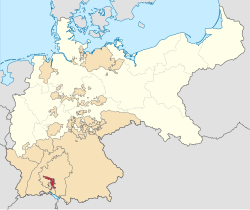

Which countries were ruled by the House of Hohenzollern?
The House of Hohenzollern ruled the Kingdom of Prussia, the German Empire, and the Kingdom of Romania.
Who was the first German Emperor from this dynasty?
William I became the first German Emperor in 1871, having previously served as the King of Prussia.
What is the difference between the Prussian and Swabian branches?
The Prussian branch focused on the expansion of Brandenburg and Prussia in Northern Germany, while the Swabian branch remained in Southern Germany (Baden-Württemberg) and eventually established the Romanian monarchy.
Who was King Michael I?
King Michael I was a member of the Hohenzollern-Sigmaringen branch who served as the King of Romania during two separate periods: 1927–1930 and 1940–1947.
When did the Hohenzollerns lose power in Germany?
The dynasty's rule over the German Empire and the Kingdom of Prussia ended in 1918 at the conclusion of World War I.