Seven Years' War: The Global Struggle for Imperial Supremacy
The Seven Years' War (1756–1763) was one of the most expansive conflicts in history, serving as a precursor to modern global warfare. While its roots lay in the territorial disputes of Europe, the conflict spilled across the Americas, the Indian subcontinent, West Africa, and the Philippines. It was a clash of titans, primarily pitting the coalition of Great Britain and Prussia against the combined forces of France and Austria.
This war was not an isolated event but the culmination of long-standing rivalries. It integrated several smaller conflicts, including the French and Indian War in North America, the Third Carnatic War in India, and the Third Silesian War in Europe. By the time the smoke cleared, the global map had been radically redrawn, cementing Great Britain's status as the world's leading colonial power.
Key Facts
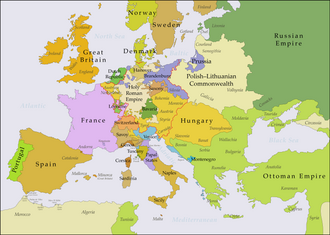
![All the participants of the Seven Years' War[19] Great Britain, Prussia, Portugal (since 1762), Hanover France, Spain (since 1762), Austria, Russia (until 1762), Sweden, Saxony](/images/7c/24/7c24162b59c46f1a9f827e7a5d954d9b1b49c28ef9e7fb3d5b5aa106fa9adb02.png)
- Duration: May 17, 1756 – February 10, 1763.
- Primary Belligerents: Great Britain and Prussia vs. France, Austria, Russia, Spain, and Sweden.
- Global Reach: Fought in Europe, North and South America, India, West Africa, and the Philippines.
- Outcome: A victory for the Anglo-Prussian coalition.
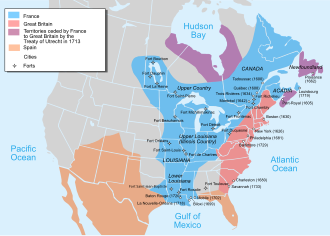
- Major Territorial Shift: France ceded Louisiana and North American territories east of the Mississippi to Spain and other lands to Britain.
The Road to War: The Diplomatic Revolution
The conflict emerged from the dissatisfaction following the War of the Austrian Succession (1740–1748). Although the Treaty of Aix-la-Chapelle had ended that war, it was viewed by many as a temporary armistice rather than a permanent peace. A central point of contention was the province of Silesia, which King Frederick II of Prussia had seized from Austria.
In a surprising strategic realignment known as the Diplomatic Revolution, traditional enemies France and Austria ended their long-running rivalry to form an alliance. This shift left Prussia isolated and Great Britain wary, leading to a series of treaties in 1756 and 1757 that paired Britain with Prussia.
The European Theater: Frederick the Great's Struggle
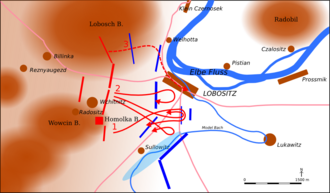
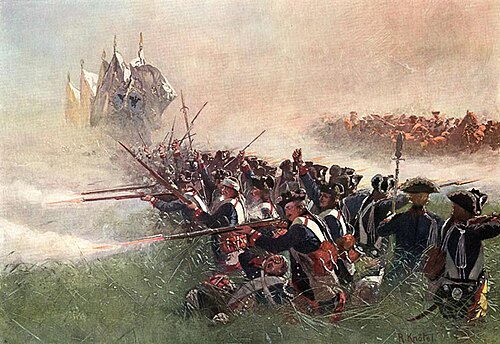
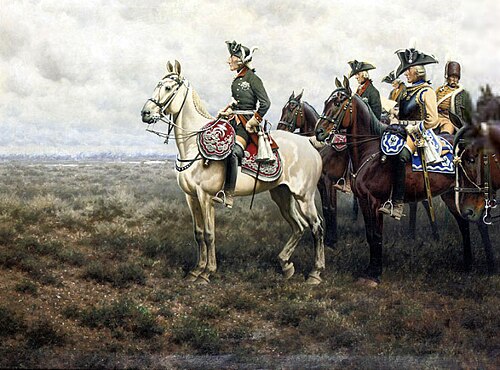
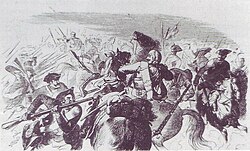
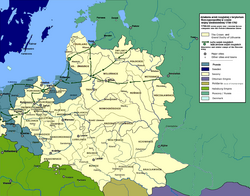
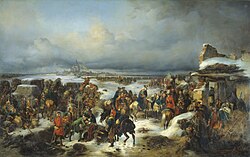
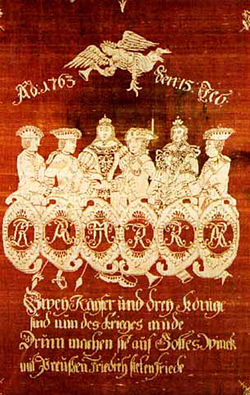
In Europe, the war was characterized by the tactical brilliance and desperation of Frederick II of Prussia. Facing a massive coalition of Russian, Austrian, and French forces, Prussia fought a defensive war of survival. Frederick utilized aggressive maneuvers and disciplined infantry to hold his ground, despite being heavily outnumbered.
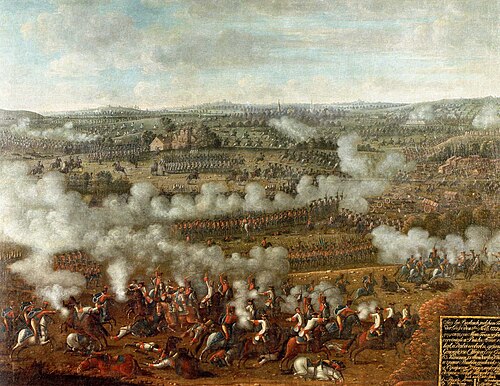
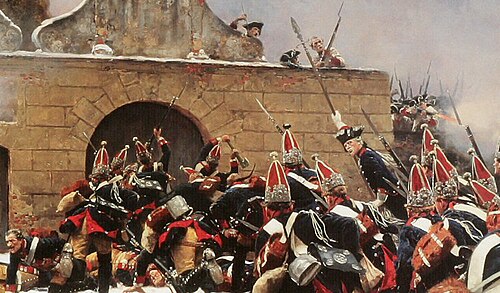
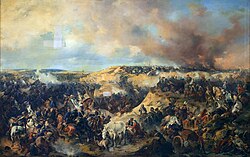
The conflict saw several pivotal engagements, including the Battle of Rossbach and the Battle of Leuthen, where Prussian discipline prevailed. However, the war took a toll; by 1761, Prussia's army was depleted, and the nation faced a desperate situation until the shifting political tides in Russia and the exhaustion of the opposing armies led toward peace.
The Global Strategy of William Pitt the Elder
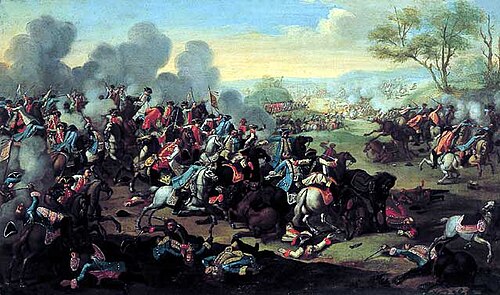
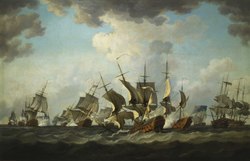
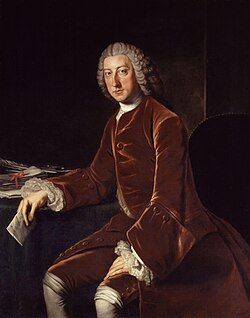
While Prussia fought for survival in Europe, Great Britain pursued a grand strategy of imperial expansion. Under the leadership of William Pitt the Elder, Britain shifted its focus toward seizing the French Empire's overseas possessions. Pitt recognized that the Royal Navy was Britain's greatest asset, allowing them to control the seas and isolate French colonies.
North American Campaigns
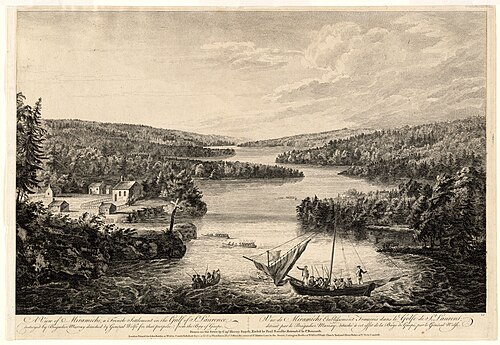
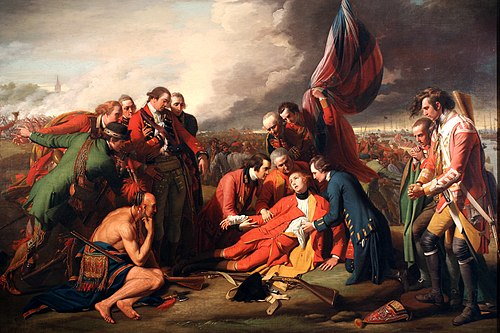
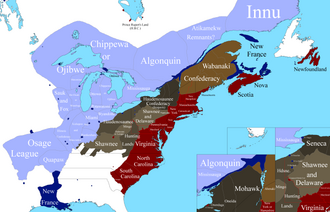
In North America, the conflict is often referred to as the French and Indian War. Britain utilized a combination of regular army troops and colonial forces to push the French out of Canada. The fall of Quebec in 1759 was a decisive blow, effectively ending French control in the region.
India and Other Fronts
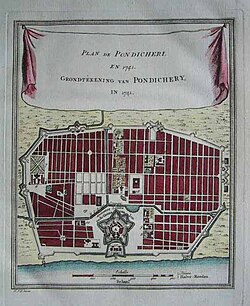
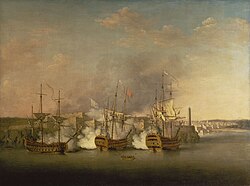
The struggle for dominance extended to India, where British forces defeated the French and their allies, notably at the Battle of Plassey in 1757. In the Caribbean and the Philippines, the British Royal Navy captured key ports, including Havana in Cuba and Manila in the Philippines, further crippling French and Spanish trade.
War Summary and Casualties
The scale of the Seven Years' War was unprecedented for its time, involving millions of personnel including garrison troops, militia, and sailors.
| Coalition | Key Nations | Estimated Strength | Estimated Dead |
|---|---|---|---|
| Anglo-Prussian | Great Britain, Prussia, Portugal | ~920,000 | ~340,000 |
| Franco-Austrian | France, Austria, Russia, Spain, Sweden | ~1,540,000 | ~513,000 |
The Aftermath and Territorial Changes
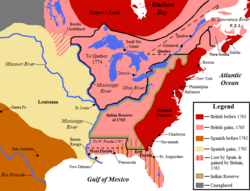
The war concluded with the Treaty of Paris and the Treaty of Hubertusburg. The territorial shifts were massive: Spain ceded Florida to Britain in exchange for the return of Havana and Manila. France ceded Louisiana and its North American territories west of the Mississippi to Spain, while losing vast tracts of Canada and India to the British.
Frequently Asked Questions
Why is the Seven Years' War considered a global war?
It is considered global because it was fought across five continents—Europe, North America, South America, Africa, and Asia—involving the world's leading superpowers of the 18th century.
What was the 'Diplomatic Revolution'?
The Diplomatic Revolution was a strategic realignment of alliances where France and Austria, historically bitter enemies, joined forces to oppose the rising power of Prussia and the colonial ambitions of Great Britain.
Who was the most influential British leader during the war?
William Pitt the Elder was the primary architect of Britain's victory. His strategy of using naval supremacy to seize French colonies while subsidizing European allies proved decisive.
How did the war affect North America?
The war effectively ended French imperial presence in North America. France ceded its territories in Canada and the Louisiana territory, leaving Great Britain as the dominant power in the region.
What happened to Prussia after the war?
Despite facing overwhelming odds and massive casualties, Prussia survived the conflict and maintained its hold on Silesia, confirming its status as a major European power under Frederick the Great.