House of Braganza: The Royal Dynasty of Portugal and Brazil
The House of Braganza stands as one of the most influential dynasties in global history, having steered the destinies of both the Kingdom of Portugal and the Empire of Brazil. Founded in the 15th century, this noble house evolved from feudal dukes into sovereign monarchs, overseeing a vast maritime empire and navigating the complex transition from absolute monarchy to constitutional rule.
Key Facts
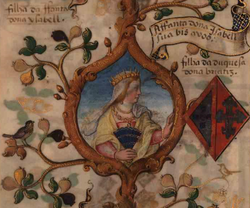
- Founded: December 30, 1442, by Afonso I, Duke of Braganza.
- Primary Realms: Kingdom of Portugal, Empire of Brazil, and the United Kingdom of Portugal, Brazil and the Algarves.
- First Monarch: João IV, who ascended the Portuguese throne in 1640.
- Brazilian Independence: Proclaimed by Pedro I on September 7, 1822.
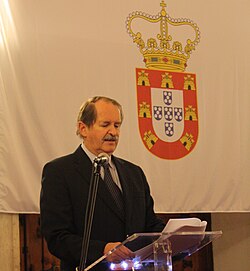
- Current Head: Duarte Pio, Duke of Braganza (since 1976).
- Major Legacy: The abolition of slavery in Brazil via the Lei Áurea (Golden Law) in 1888.
Feudal Origins and the Rise of the Dukes
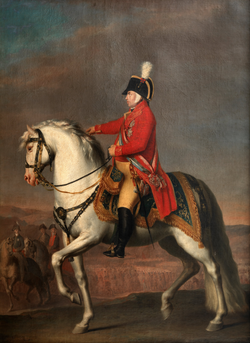
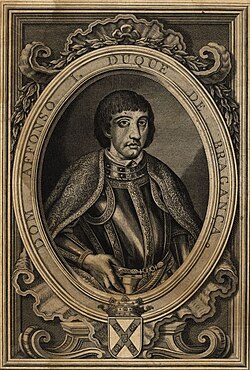
The House of Braganza originated as a cadet branch of the Portuguese House of Burgundy via the House of Aviz. It was formally established in 1442 by Afonso I, who became the first Duke of Braganza and Count of Barcelos.
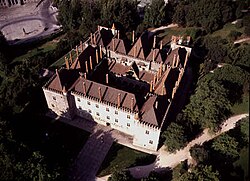
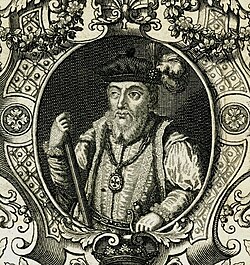
During its early centuries, the family maintained immense power as the premier noble house of Portugal. The Palace of the Dukes in Guimarães served as their primary seat until 1483, when Fernando II was executed for treason by King João II. However, the family's resilience was evident when Jaime I restored the house's status and established the Ducal Palace of Vila Viçosa.
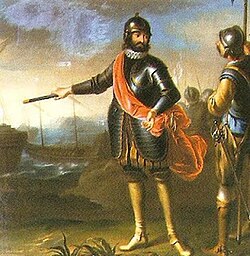
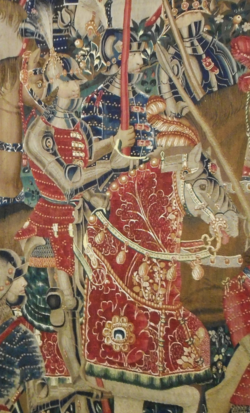
The Braganzas were not only political figures but also military leaders. João of Braganza, Marquis of Montemor-o-Novo, notably led the Portuguese conquest of Tangier in 1471, while Constantino of Braganza served as Viceroy of Portuguese India and spearheaded the first invasion of Sri Lanka.
Ascension to the Portuguese Throne
The trajectory of the house changed forever in 1640. Following the Portuguese Restoration War, João II of Braganza ascended the throne as King João IV, marking the beginning of the Braganza reign over Portugal and the Algarves.
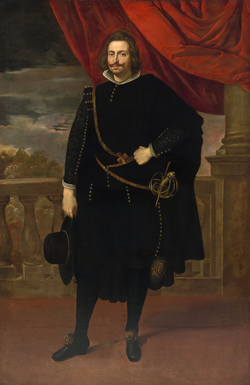
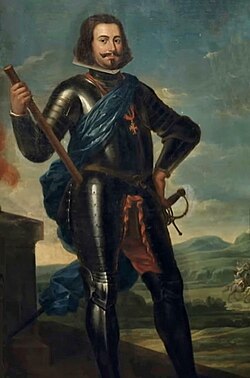
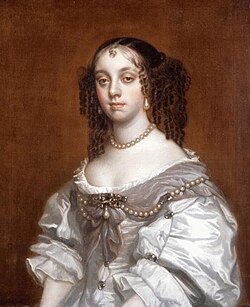
The dynasty's influence extended through strategic marriages. Catherine of Braganza, wife of Charles II of England, is famously credited with introducing tea-drinking—a habit popular among the Portuguese nobility—to the English court.
The Transatlantic Empire and Brazilian Independence
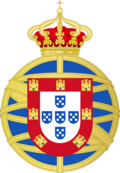
In 1815, the dynasty reached a geopolitical peak with the creation of the United Kingdom of Portugal, Brazil and the Algarves. Queen Maria I became the first monarch of Brazil under this new union.
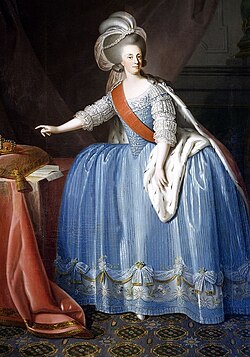
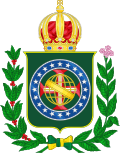
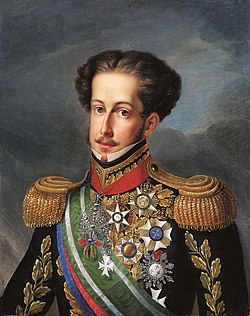
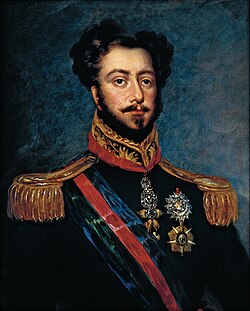
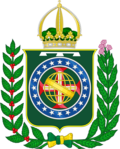
The relationship between the two nations shifted dramatically on September 7, 1822, when Dom Pedro, the Prince Royal and Regent of Brazil, declared independence. He was acclaimed as Pedro I, the first Emperor of the Empire of Brazil, a constitutional monarchy. His father, King João VI, officially recognized this independence in 1825 via the Treaty of Rio de Janeiro.
The Imperial and Constitutional Branches
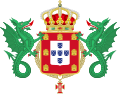
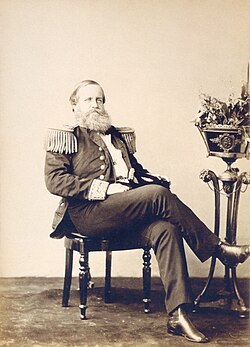
The dynasty eventually split into three distinct branches: the Brazilian Imperial branch, the Portuguese Constitutional branch, and the exiled Miguelist branch. In Brazil, the monarchy continued under Pedro II, the last Emperor, until the Proclamation of the Republic in 1889.
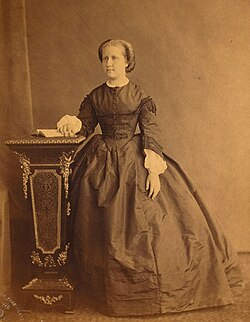
One of the most significant humanitarian acts of the dynasty occurred in 1888, when Princess Isabel, the Princess Imperial, signed the Lei Áurea, which abolished slavery in Brazil.
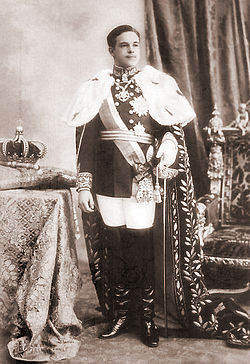
In Portugal, the monarchy persisted until 1910. Manuel II was the final King of Portugal and the last Braganza to rule as a sovereign monarch.
Dynastic Summary
The following table summarizes the key transitions of the House of Braganza across its primary realms.
| Realm | First Braganza Ruler | Last Braganza Ruler | Key Transition Event |
|---|---|---|---|
| Kingdom of Portugal | João IV (1640) | Manuel II (1910) | Portuguese Restoration War |
| Empire of Brazil | Pedro I (1822) | Pedro II (1889) | Brazilian Independence |
| United Kingdom of Portugal, Brazil and the Algarves | Maria I (1815) | João VI (1825) | Treaty of Rio de Janeiro |
The Modern Era and Legacy

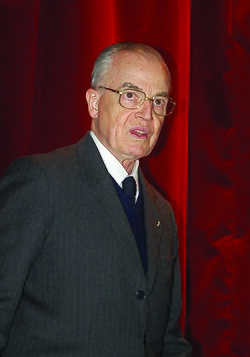
Today, the legacy of the House of Braganza continues through its descendants. Duarte Pio, Duke of Braganza, has been the Head of the House and the recognized pretender to the Portuguese crown since 1976. In Brazil, the Imperial Family is led by Prince Bertrand of Orléans-Braganza, who assumed the role following the death of his older brother in 2022.
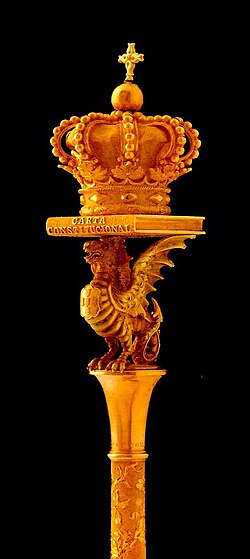
Beyond political rule, the family is remembered for its symbols, such as the Sceptre of the Dragon, and the curious folklore surrounding the "Curse of the Braganzas," which suggests a pattern of early deaths among the first-born sons of the dynasty.
Frequently Asked Questions



Who founded the House of Braganza?
The house was founded on December 30, 1442, by Afonso I, the first Duke of Braganza and 8th Count of Barcelos.
How did the Braganzas become Kings of Portugal?
They ascended to the throne in 1640 when João II of Braganza became King João IV, following the Portuguese Restoration War.
What was the role of Pedro I in Brazilian history?
Pedro I was the Prince Royal of Portugal who declared Brazil's independence on September 7, 1822, and became the first Emperor of Brazil.
What is the Lei Áurea?
The Lei Áurea (Golden Law) was a decree signed by Princess Isabel in 1888 that abolished slavery in the Empire of Brazil.
Who is the current head of the House of Braganza?
Duarte Pio, Duke of Braganza, has been the Head of the House and the pretender to the Portuguese throne since 1976.
What is the "Curse of the Braganzas"?
It is a historical belief or folklore suggesting that the first-born sons of the Braganza dynasty were destined to die young, citing examples such as Prince Teodósio and Prince Afonso.