Hebrew: The Evolution and Revival of a Sacred Tongue
Hebrew, known natively as Ivrit, is a Northwest Semitic language that holds a unique position in human history. From its origins in the Southern Levant to its role as the liturgical heart of Judaism, Hebrew has transitioned from a spoken tongue to a scholarly and sacred language, and eventually back into a vibrant, living national language.
Today, it serves as the official language of Israel and is spoken by millions worldwide, representing one of the most successful examples of language revitalization in history.
Key Facts
- Language Family: Afro-Asiatic, Semitic, Northwest Semitic, Canaanite.
- Speakers: Approximately 9 million speakers of Modern Hebrew (5 million native, 3.3 million second-language).
- Official Status: Official language of Israel; recognized minority language in Poland, South Africa, Turkey, and Ukraine.
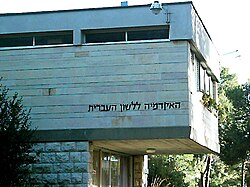
- Regulating Body: The Academy of the Hebrew Language.
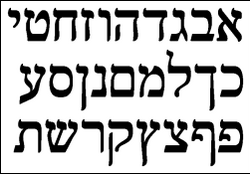
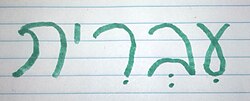
- Writing Systems: Primarily the Hebrew alphabet, with historical use of Paleo-Hebrew and Samaritan scripts.
The Historical Journey of Hebrew
Ancient and Biblical Roots
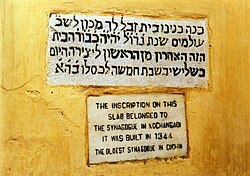
The earliest forms of the language include Biblical Hebrew, the language of the Hebrew Bible. In its earliest stages, it was written in the Paleo-Hebrew alphabet, an archaic script used for early inscriptions.
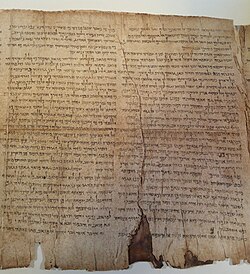
Over time, the language evolved into Mishnaic Hebrew and was later influenced by the rise of Aramaic, which eventually displaced Hebrew as the primary spoken language of the region. Despite this shift, Hebrew remained the essential language for liturgy, law, and scholarship.
Medieval and Liturgical Use
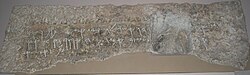
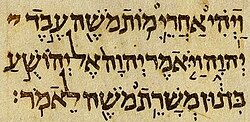
During the Middle Ages, Hebrew continued to function as a written and liturgical language. Various traditions emerged, including Sephardi, Mizrahi, and Yemenite forms. The 10th-century Aleppo Codex stands as a primary example of the Masoretic pointing system used to preserve the precise pronunciation of the biblical text.
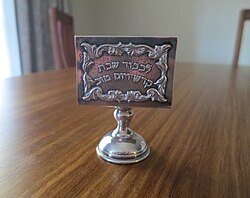
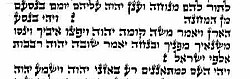
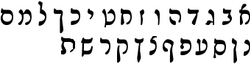
Different scripts also developed for specific purposes, such as the ornamental crowns found on Torah scrolls and the specialized Rashi script used for commentaries.
The Great Revival

The transition of Hebrew from a liturgical language to a spoken one began with the Haskalah (Jewish Enlightenment) movement. In 1783, the first secular Hebrew periodical, Ha-Me'assef, was published in Königsberg. By the mid-19th century, Hebrew-language newspapers like Hamagid further popularized the language.
The most pivotal figure in this revival was Eliezer Ben-Yehuda, who worked tirelessly to modernize the vocabulary. Because the ancient language lacked words for modern concepts, neologisms were created by adapting old Hebrew roots or borrowing from Arabic, Aramaic, Latin, and European languages such as English, Russian, German, and French.
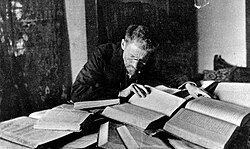
Modern Hebrew became an official language in British-ruled Palestine in 1921 and subsequently the official language of the State of Israel upon its declaration in 1948.
Modern Hebrew in the 21st Century
Modern Hebrew is a dynamic language characterized by a vast vocabulary and a simplified phonology compared to its Tiberian or Biblical predecessors. It is the dominant language of Israel, where approximately 90% of Israeli Jews are proficient.
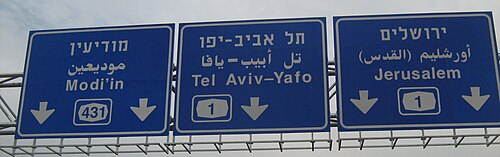
The language is now integrated into every facet of modern life, from digital keyboards to international signage. The Academy of the Hebrew Language continues to regulate the language, ensuring it evolves to meet contemporary needs while maintaining its historical connection.

Language Proficiency in Israel
While Hebrew is the native tongue for about 53% of the Israeli population, it is spoken fluently by the vast majority. Proficiency varies among different demographics; for instance, about 60% of Israeli Arabs are proficient in Hebrew, with some reporting higher proficiency in Hebrew than in Arabic.
Summary of Hebrew Language Variants
| Period/Type | Primary Use | Key Characteristic |
|---|---|---|
| Biblical Hebrew | Scripture/Ancient Records | Written in Paleo-Hebrew or Imperial Aramaic scripts |
| Mishnaic Hebrew | Legal/Rabbinic texts | Early post-biblical development |
| Medieval Hebrew | Liturgy/Scholarship | Diverse regional traditions (Sephardi, Mizrahi) |
| Modern Hebrew | Daily Communication | Revived in 19th century; official language of Israel |
Frequently Asked Questions
Is Hebrew the same as the language used in the Bible?
While Modern Hebrew is derived from Biblical Hebrew, they differ significantly in vocabulary, grammar, and pronunciation. Modern Hebrew has been expanded with thousands of new words to describe modern technology and society.
How was a "dead" language revived?
The revival was driven by the Haskalah movement and the efforts of individuals like Eliezer Ben-Yehuda, who created new words and promoted the use of Hebrew in daily life, eventually leading to its adoption as a national language.
Who regulates the Modern Hebrew language?
The Academy of the Hebrew Language is the official body responsible for regulating the language, creating new terms, and maintaining linguistic standards.
What are the different scripts used for Hebrew?
The most common is the square Hebrew alphabet. Historically, Paleo-Hebrew was used for ancient inscriptions, and the Samaritan script is used by the Samaritan community.
Is Hebrew spoken outside of Israel?
Yes, while it is the official language of Israel, it is used globally for liturgical purposes in Judaism and is recognized as a minority language in several countries, including Poland and Turkey.