Hanseatic League: The Medieval Trade Powerhouse of Northern Europe
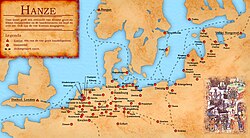
From the 13th to the 17th century, the Hanseatic League (or the Hansa) dominated the maritime trade of Northern Europe. This powerful commercial and defensive confederation of merchant guilds and market towns created a vast network that linked the Baltic and North Seas, effectively shaping the economic landscape of the Middle Ages.
Operating without a formal constitution or a centralized government, the League relied on mutual agreements and shared interests to secure trade privileges and protect its members from piracy and political interference. Its informal capital was Lübeck, and its primary language of communication, the lingua franca, was Middle Low German.
Key Facts
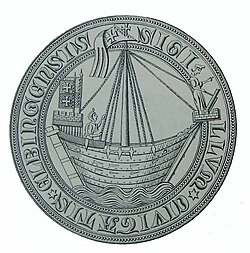
- Informal Capital: Lübeck, Germany.
- Primary Language: Middle Low German.
- Core Region: Baltic and North Sea coastal areas.
- Key Infrastructure: The Kontor (foreign trading post) and the Cog (specialized cargo ship).
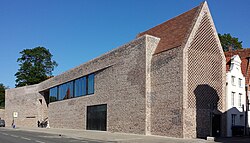
- Architectural Legacy: Widespread use of Brick Gothic style in member cities.
The Rise and Expansion of the Hansa
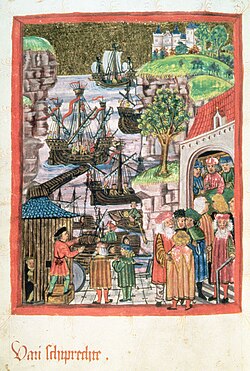
The League began as a loose association of merchants and evolved into a sophisticated alliance of cities. By coordinating their efforts, Hanseatic merchants could negotiate better terms with foreign monarchs and protect their shipments from threats at sea.
Commercial Infrastructure and Shipping
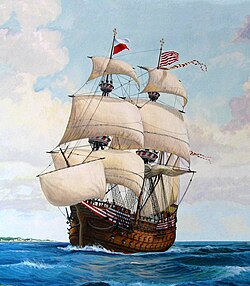
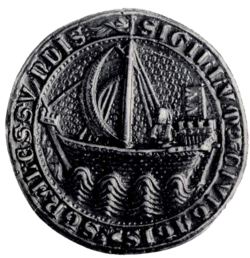
The success of the Hansa was driven by technological innovation in shipbuilding. The Cog, a sturdy vessel with a flat bottom and a high capacity for cargo, allowed for the efficient transport of bulk goods across choppy northern waters.
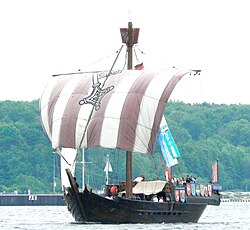
As the League grew, it introduced the Hulk and later the Carvel to further optimize maritime transport. These ships carried essential commodities between the east and west of Europe.
Major Trade Goods and Routes
The Hanseatic League acted as a bridge between the raw materials of the East and the manufactured goods of the West. Key imports and exports included furs, wax, timber, and grain from the Baltic regions, and cloth and salt from Western Europe.
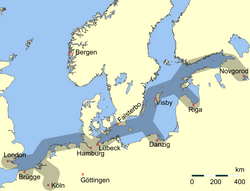
| Origin/Region | Key Destinations | Total Volume (Relative) | Percentage of Trade |
|---|---|---|---|
| London/Hamburg | Various | 188 | 34.4% |
| Livonian Towns | Riga, Reval (Tallinn) | 95 | 17.4% |
| Scania | Baltic Ports | 82 | 14.9% |
| Prussian Towns | Danzig, Elbing | 48.5 | 8.9% |
| Wendish/Pomeranian | Stettin, Stralsund, Rostock | 42.4 | 7.8% |
Organization and Governance
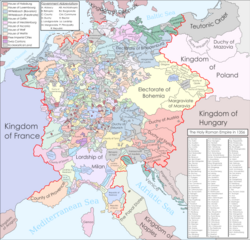
To manage its vast network, the League organized its member cities into regional divisions. Between 1356 and 1554, these were known as Drittel (Thirds), which were later reorganized into Quartiers (Quarters) after 1554.
The Regional Quarters
- Wendish and Pomeranian: Led by Lübeck.
- Saxon, Thuringian, and Brandenburg: Led by Brunswick or Magdeburg.
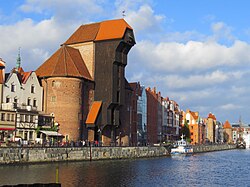
- Prussia, Livonia, and Sweden (East Baltic): Led by Danzig (Gdańsk).
- Rhine, Westphalia, and the Netherlands: Led by Cologne.
The Kontors: Foreign Trading Hubs
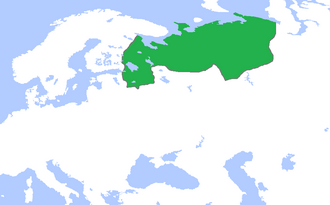
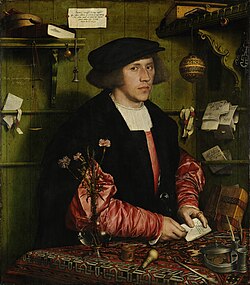
The Kontor was a specialized foreign trading post that served as a warehouse, residence, and administrative center for Hanseatic merchants in non-member cities. The four most prominent Kontors were located in Novgorod (Peterhof), Bergen (Bryggen), Bruges, and London (the Steelyard).
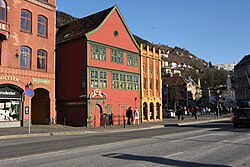
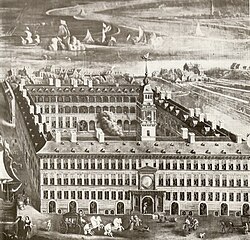
Cultural and Architectural Legacy
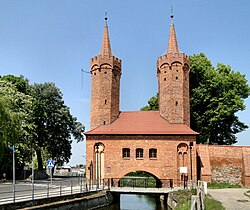
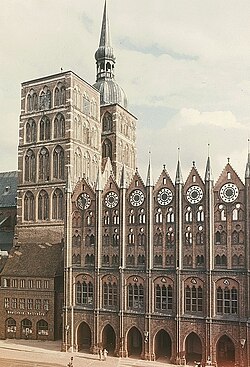
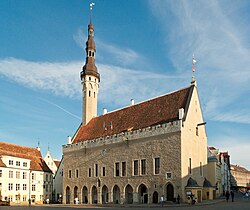
The wealth generated by the Hansa left a permanent mark on the landscape of Northern Europe. This is most evident in Brick Gothic architecture, characterized by the use of red brick in massive churches and civic buildings due to the lack of natural stone in the region.
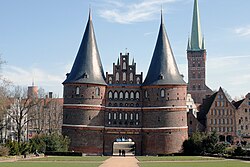
Notable examples include the St. Nikolai Church and City Hall in Stralsund, as well as the Town Hall of Reval (Tallinn). The old towns of Stralsund and Wismar are now recognized as UNESCO World Heritage Sites.
The Decline of the League
The zenith of the Hanseatic League eventually gave way to the rise of rival powers. From the 1370s, English traders began challenging Hanseatic dominance. Through the treaties of Marienburg (1388–1409), English merchants secured trade privileges in the Prussian region, gradually eroding the League's monopoly.
By the 17th century, the League's influence had waned. Its remaining properties, such as the Steelyard in London and the Oostershuis in Antwerp, remained unused for long periods before finally being sold in 1852 and 1862, respectively.
Frequently Asked Questions



What was the primary purpose of the Hanseatic League?
The League was a trade association designed to protect the economic interests of merchants in Northern Europe, secure trade privileges from foreign rulers, and provide mutual defense against piracy and political threats.
Which city served as the center of the Hansa?
Lübeck served as the informal capital and was the leading city of the Wendish and Pomeranian quarter.
What is a Kontor?
A Kontor was a foreign trading post and warehouse where Hanseatic merchants lived and conducted business in cities that were not members of the League, such as London or Novgorod.
How did the Hanseatic League influence architecture?
The League promoted the Brick Gothic style, which is still visible today in the red-brick churches and town halls of cities across the Baltic and North Sea regions.
Why did the Hanseatic League eventually decline?
The decline was caused by the rise of competing national trade powers, particularly English merchants who gained privileges in the Baltic, and the shifting economic dynamics of early modern Europe.